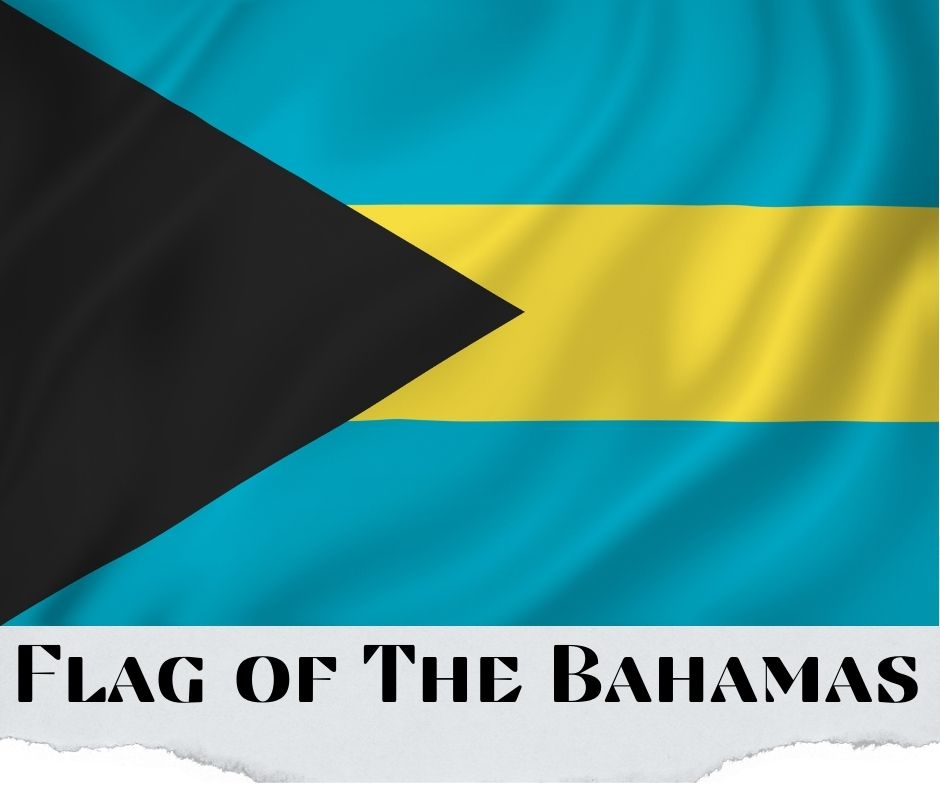
The Bahamas and its Details Like , Capital, GDP, Currency, Geography, Economy, Defence, Culture, Natural resources, Habitat, Sports and all you want to know for UPSC, PSC and Other Competitive Exams.
The Bahamas and its Basic Details :
Attribute
Information
Name of the country
The Bahamas
Capital
Nassau
Independence day
July 10, 1973
Major religions
Christianity (Protestant, Roman Catholic)
Currency
Bahamian Dollar (BSD)
Continent
North America
Top 5 Famous cities
Nassau, Freeport, West End, Coopers Town, Marsh Harbour
Top 10 Famous persons
Sidney Poitier, Lenny Kravitz, Shaunae Miller-Uibo, Tim Aylen, Mychal Thompson, Rick Fox, Ronde and Tiki Barber, Perry Christie, Hubert Ingraham, Lynden Pindling
Type of government
Constitutional parliamentary democracy
Main wars fought
The Bahamas did not participate in major wars
GDP
$12.1 billion (2021)
5 popular tourist places
1. Atlantis Paradise Island, 2. Exuma Cays Land and Sea Park, 3. Grand Bahama, 4. Harbour Island, 5. Eleuthera
The Bahamas, Its Capital, Independence Day, Currency, Major religions, Continent, Top 5 Famous cities, Top 10 Famous persons, type of government, main wars fought, GDP, 5 popular tourist places.
Geography of The Bahamas :
Attribute
Information
Geography
Archipelago of islands in the Atlantic Ocean
Area
Approximately 13,878 square kilometers
Population
Around 393,000 (as of the latest available data)
Mountain Peaks
Perry Peak, Abraham Hill, James Hill, Crow Hill, Mount View
Rivers
Andros River (30 miles), Exuma River (20 miles), Inagua River (15 miles), San Salvador River (10 miles), Cat Island River (8 miles)
Cable Beach, Cabbage Beach, Pink Sands Beach, Gold Rock Beach, Treasure Cay Beach
Neighbouring Countries
None, The Bahamas are an independent country and do not share borders with other nations
Nearby Sea/Oceans
Atlantic Ocean
Coastline Length
Approximately 3,542 kilometers
Natural Resources
Salt, aragonite, timber, arable land, fish
Geography of the The Bahamas , Area in Square Kilometers, Population, 5 Main mountain range, 5 main mountain peeks, 5 Main Rivers, Main lakes, Deserts, plateau and Volcanoes, 5 Main Crops and vegetation, Main Beaches, Neighboring countries which share boundaries, Nearby Sea and oceans, length of Coast line, top 5 Natural resources.
Economy of The Bahamas :
Category
Information
Economy
Mixed economy heavily reliant on tourism, finance, and offshore banking.
Major Industries
Tourism, Banking and Finance, Construction, Fishing, Agriculture.
Revenue Sources
Tourism, Financial Services, Real Estate, Manufacturing, Agriculture.
Top 10 Companies
Atlantis Paradise Island, Bank of The Bahamas, Commonwealth Brewery, AML Foods Ltd., Baha Mar, Fidelity Bank (Bahamas) Limited, Albany, Cable Bahamas, Bahamas Telecommunications Company (BTC), Doctors Hospital.
Per Capita Income
Approximately $30,000 (as of recent data).
Top 5 Imports
Machinery, Transport Equipment, Manufactured Goods, Food and Live Animals, Mineral Fuels.
Top 5 Exports
Mineral Fuels, Chemical Products, Machinery, Transport Equipment, Food and Live Animals.
Total Gold Reserves
Data not available publicly.
Economy of the The Bahamas , 5 Major Industries, 5 main revenue sources, top 10 Companies, Per capita income, Top 5 imports, Top 5 exports, Total Gold Reserves.
Defence Power of The Bahamas :
Category
Data
Defence of the country
The Bahamas has a small military force consisting of the Royal Bahamas Defence Force (RBDF). The RBDF is responsible for the defence of the country’s territory and waters. The RBDF has a total of about 1,300 personnel, including about 1,000 active personnel.
Size of Defence budget
The size of The Bahamas’ defence budget is relatively small. In 2023, the defence budget was $40 million, which is about 0.9% of the country’s GDP.
Total number of Army Personals
The Royal Bahamas Defence Force (RBDF) has a total of about 1,000 active personnel. Of these, about 800 are in the army.
Total Number of Air Force Personals
The RBDF has a small air force, consisting of about 200 personnel. The air force operates a small fleet of aircraft, including helicopters and fixed-wing aircraft.
Total number of Navy Personals
The RBDF has a navy, consisting of about 200 personnel. The navy operates a small fleet of vessels, including patrol boats and coastal defence vessels.
Total Defence Imports
The Bahamas imports a small amount of military equipment. In 2023, the country imported $10 million worth of military equipment.
Total Defence Export
The Bahamas does not export any military equipment.
Defence of the The Bahamas , Size of Defence budget, Total number of Army Personals, Total Number of Air Force Personals, Total number of Navy Personals, Total Defence Imports, Total Defence Export.
Cultural of The Bahamas :
Category
Information
Culture
Rich blend of African, European, and indigenous cultures
Main Festivals
Junkanoo, Goombay Summer Festival, Emancipation Day, Independence Day, New Year’s Day Junkanoo Parade
Main Religious Places
Christ Church Cathedral, St. Francis Xavier Cathedral, St. Andrew’s Presbyterian Kirk, St. Matthew’s Anglican Church, Temple Emanuel
Sloop sailing – Traditional Bahamian sport dating back to the 18th century; regular races held throughout The Bahamas
Main Sports of the country
Basketball: Dexter Cambridge, Mychal Thompson, Rick Fox, Chavano “Chuck” Moultrie, Jonathon Higgs Baseball: Andre Rodgers, Antoan Richardson, Jazz Chisholm Jr. Athletics: Chris Brown, Golden Miller, Derrick Atkins, Pauline Davis-Thompson, Shaunae Miller-Uibo Swimming: Arianna Vanderpool-Wallace Tennis: Mark Knowles
Top Athletes
Chris Brown: Bronze medal in the 400m at the 2008 Olympic Games Golden Miller: Gold medal in the 400m at the 2000 Olympic Games Derrick Atkins: Silver medal in the 100m at the 1992 Olympic Games Pauline Davis-Thompson: Gold in the 200m, Silver in the 400m at the 1996 Olympic Games Shaunae Miller-Uibo: Gold in the 200m, Silver in the 400m at the 2016 Olympic Games Arianna Vanderpool-Wallace: Bronze in the 400 freestyle at the 2012 Olympic Games Mark Knowles: Three Grand Slam doubles titles
Top Sports Achievements
Gold medal in sloop sailing at the 1964 Olympic Games Bronze medal in basketball at the 1971 FIBA World Cup Gold medal in cricket at the 2017 Cricket World Cup Gold medal in the 400m at the 2008 Olympic Games Gold medal in the 200m at the 2016 Olympic Games
Sports of the The Bahamas , National Game, Main Sports, top athletes, Top Sports Achievements.
Natural Habitat and wild life of The Bahamas :
Category
Information
Natural Habitat and Wildlife
Coral reefs, marine life, pine forests, diverse bird species, reptiles, marine mammals
National Animal
The Bahamas’ national animal is the flamingo, specifically the West Indian Flamingo (Phoenicopterus ruber)
National Bird
The national bird of The Bahamas is the American flamingo (Phoenicopterus ruber)
Main Forests
Pine forests are prevalent in The Bahamas
Main Recognized Natural Habitats
Lucayan National Park, Andros Barrier Reef, Exuma Cays Land and Sea Park
Natural Habitat and wild life of the The Bahamas , National Animal, National Bird, Main Forests, Main Recognized Natural Habitats for wild animals.
Biggest in the The Bahamas :
Category
Information
Largest City
Nassau
Richest Person
Joseph Lewis
Biggest Company
First Caribbean International Bank (Market capitalization: $1,321,267,416.00)
Tallest Building
Atlantis Royal Tower East (Height: 261 feet / 79.5 meters, Location: Paradise Island)
Tallest Statue
Ocean Atlas (Location: Waters off the coast of New Providence)
Mount Alvernia (Location: Cat Island, Height: 69 meters / 226 feet)
Longest River
Goose River (Location: Andros Island, Length: approximately 24 kilometers / 15 miles)
Biggest Forest
Lucayan National Park (Location: Grand Bahama Island, Area: 42 square kilometers / 16 square miles)
Biggest Lake
Lake Rosa (also known as Lake Windsor, Location: Inagua Island, Area: 12 square kilometers / 4.6 square miles, Type: Hypersaline lake)
Biggest in the The Bahamas , Richest Man, Biggest Company, Tallest Building, Tallest Statue, Biggest Bridge, Tallest Mountain, Longest River, Biggest Forest, Biggest Lake.
Brief History Of The Bahamas :
Overview of The Bahamas’ history, covering different periods:
Ancient Bahamas:
The islands of The Bahamas were initially inhabited by the Lucayan people, an Arawakan-speaking Taino indigenous group. Christopher Columbus’s arrival in 1492 marked the European discovery of the region. Sadly, the Lucayan population suffered greatly due to the arrival of Europeans, primarily through disease and enslavement, leading to their eventual extinction by the mid-16th century.
Medieval Period:
Following Columbus’s arrival, The Bahamas became a site of interest for various European powers, including the Spanish and British, who attempted to colonize the islands. The Spanish initially claimed the area but faced challenges in establishing permanent settlements.
Modern Era:
In the 17th century, British settlers arrived, establishing the first permanent settlement on the island of Eleuthera in 1648. Over time, more British colonies were established on various islands. The islands became a haven for pirates who used the region’s intricate archipelago to their advantage.
Recent History:
Throughout the 18th and 19th centuries, The Bahamas experienced changes in governance and economic shifts. The islands were used as a strategic location during the American War of Independence and the American Civil War. British rule continued until The Bahamas gained independence within the Commonwealth of Nations in 1973.
The country has seen significant economic growth through tourism and finance. It has developed into a stable parliamentary democracy, retaining ties with the British monarchy. Modern Bahamas is known for its tourism, banking sector, and vibrant culture, encompassing elements of African, European, and indigenous influences. Political stability has contributed to the nation’s growth and development.
Summary:
The Bahamas’ history encapsulates a journey from its indigenous Lucayan inhabitants through European colonization to its eventual independence. Its legacy includes the impact of European explorers, struggles for colonial control, piracy, and eventual self-governance. Today, The Bahamas stands as a modern nation, blending its historical heritage with contemporary economic and cultural pursuits.



 The Bahamas and its Details for UPSC