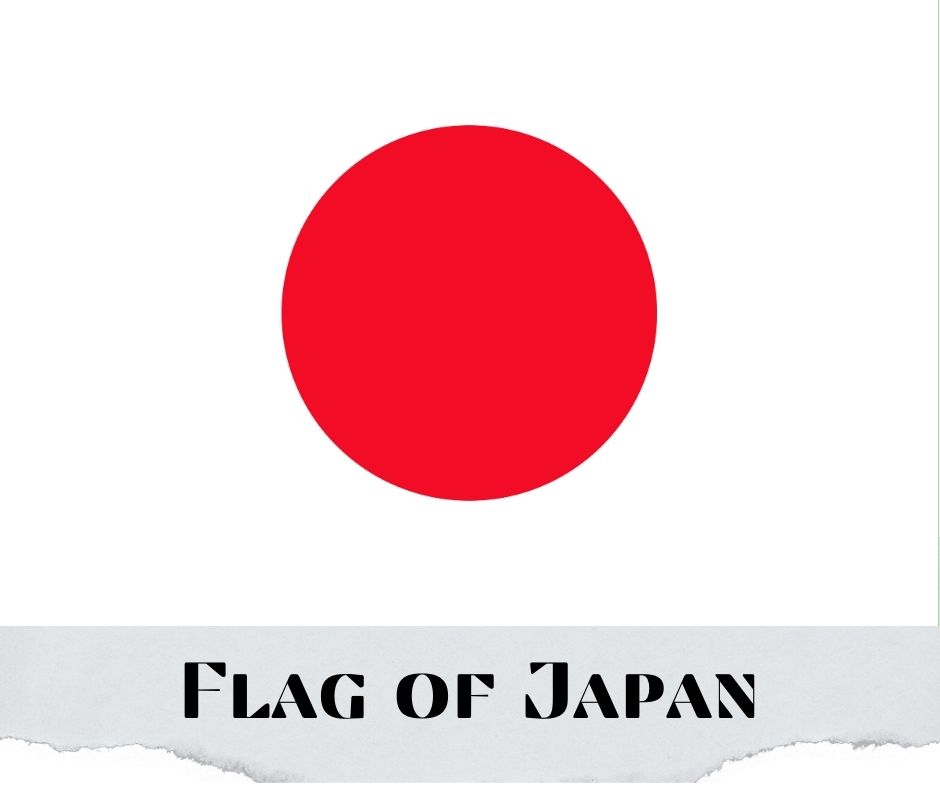
Japan and its Details Like , Capital, GDP, Currency, Geography, Economy, Defence, Culture, Natural resources, Habitat, Sports and all you want to know for UPSC, PSC and Other Competitive Exams.
Japan and its Basic Details :
Attribute
Description
Name
Japan
Capital
Tokyo
Independence Day
February 11, 660 BC (Mythical Foundation Day), May 3, 1947 (Constitution Day)
Constitutional Monarchy and Parliamentary Democracy
Main Wars Fought
World War II, Sino-Japanese Wars, Russo-Japanese War
GDP
Approximately $5 trillion (2021)
Popular Tourist Places
Mount Fuji, Tokyo Disneyland, Hiroshima Peace Memorial Park, Himeji Castle, Arashiyama Bamboo Grove
Japan, Its Capital, Independence Day, Currency, Major religions, Continent, Top 5 Famous cities, Top 10 Famous persons, type of government, main wars fought, GDP, 5 popular tourist places:
1. Mount Fuji 2. Mount Haku 3. Mount Daisen 4. Mount Gassan 5. Mount Tate
Main Rivers
1. Shinano River 2. Tone River 3. Ishikari River 4. Kitakami River 5. Yoshino River
Main Lakes
1. Lake Biwa 2. Lake Kasumigaura 3. Lake Kussharo 4. Lake Mashu 5. Lake Towada
Deserts
None
Plateau
Aizu Basin, Hida Plateau
Volcanoes
1. Mount Fuji 2. Mount Aso 3. Mount Kirishima 4. Mount Bandai 5. Mount Unzen
Main Crops and Vegetation
Rice, vegetables, fruits, tea, and soybeans
Main Beaches
Shirahama Beach, Yuigahama Beach, Zushi Beach, Katsurahama Beach, Yuigahama Beach
Neighboring Countries
Russia, China, South Korea, North Korea
Nearby Seas and Oceans
Sea of Japan, Pacific Ocean
Length of Coastline
Approximately 29,751 kilometers
Top 5 Natural Resources
Fish, timber, minerals, agriculture, water resources
Geography of the Japan , Area in Square Kilometers, Population, 5 Main mountain range, 5 main mountain peeks, 5 Main Rivers, Main lakes, Deserts, plateau and Volcanoes, 5 Main Crops and vegetation, Main Beaches, Neighboring countries which share boundaries, Nearby Sea and oceans, length of Coast line, top 5 Natural resources.
1. Mineral fuels including oil, 2. Electrical machinery, 3. Machinery including computers, 4. Optical, technical, medical apparatus, 5. Vehicles
Top 5 Exports
1. Vehicles, 2. Machinery, 3. Electronic equipment, 4. Medical and technical equipment, 5. Plastics
Total Gold Reserves
Approximately 765.2 metric tons
Economy of the Japan , 5 Major Industries, 5 main revenue sources, top 10 Companies, Per capita income, Top 5 imports, Top 5 exports, Total Gold Reserves.
Defence Power of Japan :
Category
Information
Defence
Self-Defense Forces
Size of Defence Budget
¥6.82 trillion (US$51.4 billion) (2023)
Total Number of Army Personnel
247,150
Total Number of Air Force Personnel
144,930
Total Number of Navy Personnel
234,848
Total Defence Imports
2.3 billion USD (2021)
Total Defence Exports
0.9 billion USD (2021)
Defence of the Japan , Size of Defence budget, Total number of Army Personals, Total Number of Air Force Personals, Total number of Navy Personals, Total Defence Imports, Total Defence Export.
Cultural of Japan :
Category
Information
Cultural Aspects
Details related to Japan’s cultural elements
Main Festivals
1. Cherry Blossom Festival (Sakura Matsuri), 2. Gion Matsuri, 3. Tanabata Matsuri, 4. Awa Odori, 5. Kanda Matsuri
– Japan’s Women’s Soccer Team winning the World Cup in 2011 <br> – Japan hosting the Rugby World Cup in 2019 <br> – First Asian nation to win a FIFA World Cup match in 2018
Sports of the Japan , National Game, Main Sports, top athletes, Top Sports Achievements.
Natural Habitat and wild life of Japan :
Category
Information
Natural Habitat
Forests, mountains, wetlands, coastal areas
Wildlife
Japanese macaque, red-crowned crane, tanuki, sika deer, green pheasant
National Animal
Green pheasant
National Bird
Green pheasant
Main Forests
Japanese cedar, beech, cypress, oak
Main Recognized Habitats
Kushiro Marsh, Shiretoko Peninsula, Yakushima
Natural Habitat and wild life of the Japan , National Animal, National Bird, Main Forests, Main Recognized Natural Habitats for wild animals.
Biggest in the Japan :
Category
Information
Biggest in the country
Island – Hokkaido
Richest Man
Tadashi Yanai – Founder of Uniqlo, net worth ~$41.3 billion (USD)
Biggest Company
Toyota Motor Corporation – Revenue ~$354.9 billion (USD)
Tallest Building
Tokyo Skytree – 634 meters tall
Tallest Statue
Ushiku Daibutsu – 120 meters tall
Biggest Bridge
Akashi Kaikyo Bridge – 3,757 meters long
Tallest Mountain
Mount Fuji – 3,776 meters tall
Longest River
Shinano River – 367 kilometers long
Biggest Forest
Aokigahara Jukai – 35 square kilometers
Biggest Lake
Biwa Lake – 670 square kilometers
Biggest in the Japan , Richest Man, Biggest Company, Tallest Building, Tallest Statue, Biggest Bridge, Tallest Mountain, Longest River, Biggest Forest, Biggest Lake.
Brief History Of Japan :
This Country’s history is rich and diverse, characterized by distinct periods that have shaped its culture, society, and governance.
Ancient Japan:
Jomon Period (14,000 BCE – 300 BCE): Considered this Country’s prehistoric era, characterized by hunter-gatherer communities. Notable for the creation of pottery and early agricultural practices.
Yayoi Period (300 BCE – 300 CE): Marked by the introduction of rice cultivation and metalworking, leading to the establishment of settled communities. Also, saw the emergence of social classes and the beginning of political organization.
Kofun Period (300 CE – 538 CE): Known for the construction of large burial mounds (kofun) for rulers. This period laid the foundation for centralized rule and the formation of early states.
Medieval Period:
Nara Period (710 CE – 794 CE): This Country’s capital was established in Nara, influenced by Chinese culture. Buddhism flourished, and the first permanent capital city was built.
Heian Period (794 CE – 1185 CE): Noted for its cultural advancements, including literature, art, and architecture. The Tale of Genji was written during this era. The aristocracy held power, leading to a feudal system.
Kamakura Period (1185 CE – 1333 CE): Marked by the rise of the samurai class and the establishment of the Kamakura Shogunate, this Country’s first military government.
Early Modern Era:
Muromachi Period (1336 CE – 1573 CE): Witnessed the rise of the Ashikaga Shogunate. This period saw internal conflicts, known as the Sengoku Period, leading to the unification of this Country under the Tokugawa Shogunate.
Edo Period (1603 CE – 1868 CE): A time of peace and stability under the Tokugawa Shogunate. Isolationist policies were implemented, restricting foreign influence and trade. Art, culture, and urban development thrived.
Modern Era:
Meiji Restoration (1868 CE – 1912 CE): This Country underwent rapid modernization, adopting Western technologies and restructuring its government. The feudal system ended, and this Country embraced industrialization and constitutional reforms.
World War I & II: This Country became a global power but faced economic challenges during the Great Depression. Involvement in World War II resulted in devastation and the dropping of atomic bombs on Hiroshima and Nagasaki.
Post-War Era: Following WWII, this Country experienced significant reconstruction and economic growth, known as the “Japanese economic miracle.” It emerged as a major economic powerhouse, focusing on technology, manufacturing, and innovation.
Recent History:
Late 20th Century: Japan became a leading technological innovator and an influential player in global economics. It faced economic stagnation in the ’90s but continued to be a major economic force.
21st Century: This Country continues to face demographic challenges due to an aging population. It remains a significant global player in technology, trade, and culture.
This Country’s history reflects a blend of tradition and modernity, marked by resilience, adaptation, and an ongoing pursuit of progress.



 Japan and its Details for UPSC