


Israel and its 66 important Details for UPSC, PSC and Other Competitive Exams
 Israel and its Details for UPSC
Israel and its Details Like , Capital, GDP, Currency, Geography, Economy, Defence, Culture, Natural resources, Habitat, Sports and all you want to know for UPSC, PSC and Other Competitive Exams.
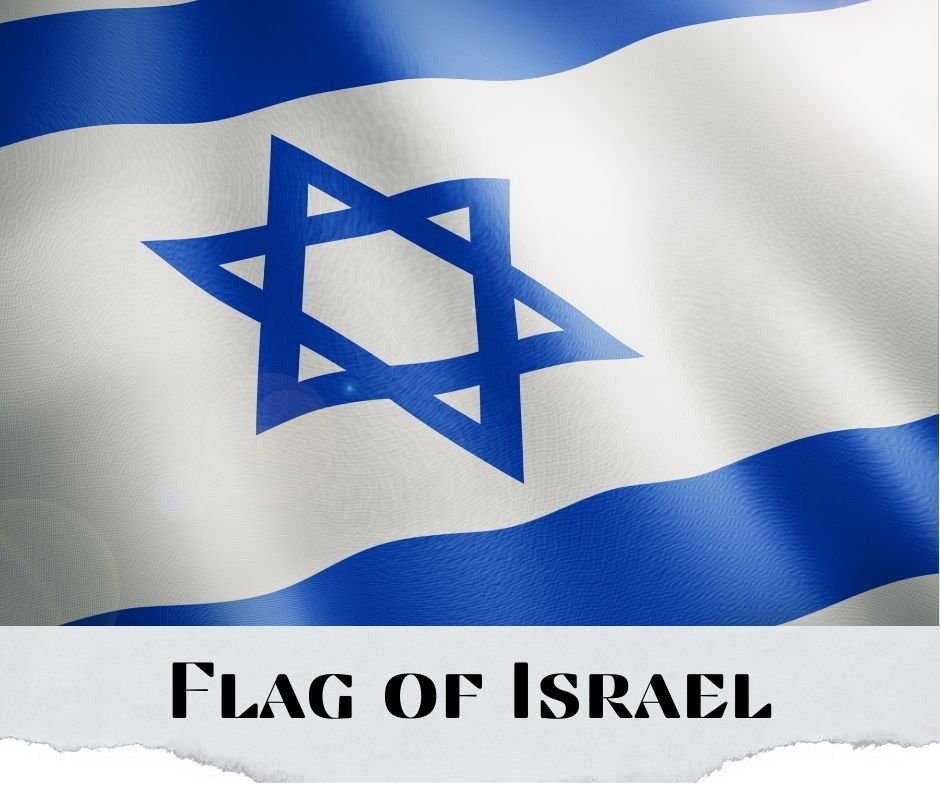
Israel and its Basic Details :
| Category | Details |
|---|---|
| Name of the Country | Israel |
| Capital | Jerusalem |
| Independence Day | May 14, 1948 |
| Major Religions | Judaism, Islam, Christianity |
| Currency | Israeli New Shekel (ILS) |
| Continent | Asia (Middle East) |
| Top 5 Famous Cities | Tel Aviv, Haifa, Beersheba, Eilat, Nazareth |
| Top 10 Famous Persons | David Ben-Gurion, Golda Meir, Shimon Peres, Yitzhak Rabin, Menachem Begin, Ariel Sharon, Theodor Herzl, Yitzhak Shamir, Chaim Weizmann, Moshe Dayan |
| Type of Government | Parliamentary Democracy |
| Main Wars Fought | Arab-Israeli War (1948), Six-Day War (1967), Yom Kippur War (1973) |
| GDP | $521.7 billion (2021) |
| 5 Popular Tourist Places | Jerusalem (Old City), Tel Aviv (Beachfront), Dead Sea, Masada, Eilat (Red Sea) |

Geography of Israel :
| Category | Details | Description |
|---|---|---|
| Geography | Middle East | Location in the Middle East region. |
| Area (Square Kilometers) | 20,770 | Total land area in square kilometers. |
| Population | Approximately 9.4 million (as of 2021) | Total population estimate. |
| 5 Main Mountain Ranges | Carmel Range, Galilee Mountains, Judean Mountains, Negev Highlands, Golan Heights | Prominent mountain ranges in this country. |
| 5 Main Mountain Peaks | Mount Hermon, Mount Meron, Mount Tabor, Mount Carmel, Mount Gilboa | Notable mountain peaks in this country. |
| 5 Main Rivers | Jordan River, Yarkon River, Kishon River, Nahal Taninim, Sorek Stream | Major rivers and streams in this country. |
| Main Lakes | Sea of Galilee (Lake Kinneret), Dead Sea, Hula Lake, Tiberias Reservoir | Prominent lakes and reservoirs in this country. |
| Deserts, Plateaus, Volcanoes | Negev Desert, Arava Desert, Judean Desert, Hula Valley, Beit She’an Valley | Key arid regions and valleys in this country. |
| 5 Main Crops and Vegetation | Wheat, barley, citrus fruits, olives, grapes | Important agricultural products in this country. |
| Main Beaches | Tel Aviv Beach, Herzliya Beach, Eilat Beach, Haifa Beach, Netanya Beach | Popular beaches along Israel’s coastline. |
| Neighboring Countries | Lebanon, Syria, Jordan, Egypt, Palestine | Countries sharing land borders with this country. |
| Nearby Seas and Oceans | Mediterranean Sea, Red Sea | Significant bodies of water near this country. |
| Length of Coastline | Approximately 273 kilometers (170 miles) | Total coastline length along the Mediterranean Sea. |
| Top 5 Natural Resources | Potash, phosphates, bromine, natural gas, copper | Valuable natural resources in this Country. |
Economy of Israel :
| Category | Details |
|---|---|
| Economy | High-income economy, advanced technology sector |
| Major Industries | Technology, agriculture, manufacturing, defense, pharmaceuticals |
| Major Revenue Sources | Technology exports, tourism, agriculture exports, defense exports, diamond industry |
| Top 10 Companies | Teva Pharmaceutical Industries, Intel, Check Point Software Technologies, Amdocs, Mobileye, … |
| Per Capita Income | Approximately $46,800 (as of 2021) |
| Top 5 Imports | Crude oil, diamonds, machinery, chemicals, transportation equipment |
| Top 5 Exports | Pharmaceuticals, machinery, diamonds, electronic equipment, medical instruments |
| Total Gold Reserves | Approximately 84.6 tons (as of 2022) |
Defence Power of Israel :
| Category | Details | Description |
|---|---|---|
| Defense | Robust defense system and a strong military | Overview of Israel’s defense capabilities and military. |
| Defense Budget | Approximately $23.1 billion (2023) | The annual budget allocated for defense expenditures. |
| Total Army Personnel | Approximately 176,500 active personnel | The total number of active army personnel. |
| Total Air Force Personnel | Approximately 34,000 active personnel | The total number of active air force personnel. |
| Total Navy Personnel | Approximately 9,500 active personnel | The total number of active navy personnel. |
| Total Defense Imports | Approximately $3.6 billion (2021) | The value of defense-related imports. |
| Total Defense Exports | Approximately $7.5 billion (2021) | The value of defense-related exports. |
Cultural of Israel :
| Category | Details |
|---|---|
| Culture | Diverse and rich cultural heritage |
| Main Festivals | Passover, Hanukkah, Purim, Independence Day, Sukkot |
| Main Religious Places | Western Wall, Church of the Holy Sepulchre, Al-Aqsa Mosque, Baha’i Gardens, Mount of Beatitudes |
| Main Arts and Dances | Israeli folk dance, Hebrew literature, contemporary art, theater, Israeli music |
| Main Languages | Hebrew, Arabic, English |
| Famous Food and Cuisines | Hummus, Falafel, Shawarma, Israeli salad, Shakshuka |
| UNESCO Protected Buildings | Old City of Jerusalem, Masada, Bahá’í Holy Places, White City of Tel Aviv, Incense Route – Desert Cities in the Negev |
Sports in Israel :
| Category | Details |
|---|---|
| Sports | Variety of sports, with a focus on football, basketball, and tennis |
| National Game | Association football (Soccer) |
| Main Sports | Football, basketball, tennis, judo, and athletics |
| Top Athletes | Shahar Pe’er (tennis), Gal Fridman (windsurfing), Ori Sasson (judo), Oded Kadosh (swimming), and Sagi Muki (judo) |
| Top Sports Achievements | Olympic medals, Paralympic medals, and international championships |
Natural Habitat and wild life of Israel :
| Category | Details |
|---|---|
| Natural Habitat and Wildlife | Diverse ecosystems, including forests, deserts, wetlands, and coastal areas, supporting a rich variety of flora and fauna. |
| National Animal | Israeli gazelle (Gazella gazella) |
| National Bird | Hoopoe (Upupa epops) |
| Main Forests | Carmel Forest, Yatir Forest, Jerusalem Forest, Galilee Forest, and Upper Galilee Forest |
| Main Recognized Natural Habitats for Wild Animals | Hula Valley Nature Reserve, Ein Afek Nature Reserve, Carmel Hai-Bar Nature Reserve, and Ramat Hanadiv |
Biggest in the Israel :
| Category | Description |
|---|---|
| Biggest city in Israel | Jerusalem |
| Richest Man | Eyal Ofer |
| Biggest Company | Teva Pharmaceutical Industries |
| Tallest Building | Azrieli Sarona Tower |
| Tallest Statue | Menorah Monument |
| Biggest Dam | Hula Dam |
| Tallest Mountain | Mount Hermon |
| Longest River | Yarkon River |
| Biggest Forest | Yatir Forest |
| Biggest Lake | Sea of Galilee |
Brief History Of Israel :
This nation in the Middle East, has a rich and complex history that spans thousands of years. Here’s an overview of its history, including key periods:
Ancient Israel:
- This country’s history traces back to ancient times when it was inhabited by various tribes and kingdoms, including the Canaanites and Israelites.
- The biblical figure Abraham is considered the patriarch of the Israelite people, and Moses led them out of Egypt in the Exodus.
- The Israelites established the Kingdom of Israel and the Kingdom of Judah in the 12th century BCE.
- These kingdoms were ruled by famous figures like King David and King Solomon and are central to Jewish history and tradition.
- In 586 BCE, the Babylonians conquered Jerusalem and destroyed the First Temple, leading to the Babylonian Captivity.
Medieval Period:
- Over the centuries, various empires, including the Persians, Greeks, and Romans, controlled the region.
- The Roman destruction of the Second Temple in 70 CE marked a significant event in Jewish history and resulted in the Jewish Diaspora.
- In the 7th century CE, Muslim Arab armies conquered the area and introduced Islam.
- Control of the region shifted between various Islamic dynasties and the Crusaders during the medieval period.
Modern Era:
- During the 19th century, the Zionist movement emerged, seeking to establish a Jewish homeland in Palestine, then under Ottoman rule.
- After World War I, the League of Nations granted Britain the mandate to govern Palestine.
- Jewish immigration increased during the British Mandate, leading to tensions between Jews and Arabs.
- Following World War II and the Holocaust, international support for a Jewish state grew.
- In 1947, the United Nations approved a plan to partition Palestine into Jewish and Arab states, leading to the establishment of the State of Israel on May 14, 1948.
- Israel’s founding was followed by a war with neighboring Arab states.
Recent History:
- This country has faced conflicts with its Arab neighbors, including the Six-Day War (1967) and the Yom Kippur War (1973).
- Peace agreements have been signed with Egypt (1979) and Jordan (1994).
- The Israeli-Palestinian conflict has been a central issue, leading to multiple peace efforts and ongoing tensions.
- This country has developed a thriving economy and is known for its technological innovation.
- Jerusalem remains a contentious issue, with both Israelis and Palestinians claiming it as their capital.
This country’s history reflects a complex tapestry of ancient civilizations, religious significance, and modern geopolitical challenges, making it a region of historical and contemporary importance.