
South Africa and its Details Like , Capital, GDP, Currency, Geography, Economy, Defence, Culture, Natural resources, Habitat, Sports and all you want to know for UPSC, PSC and Other Competitive Exams.
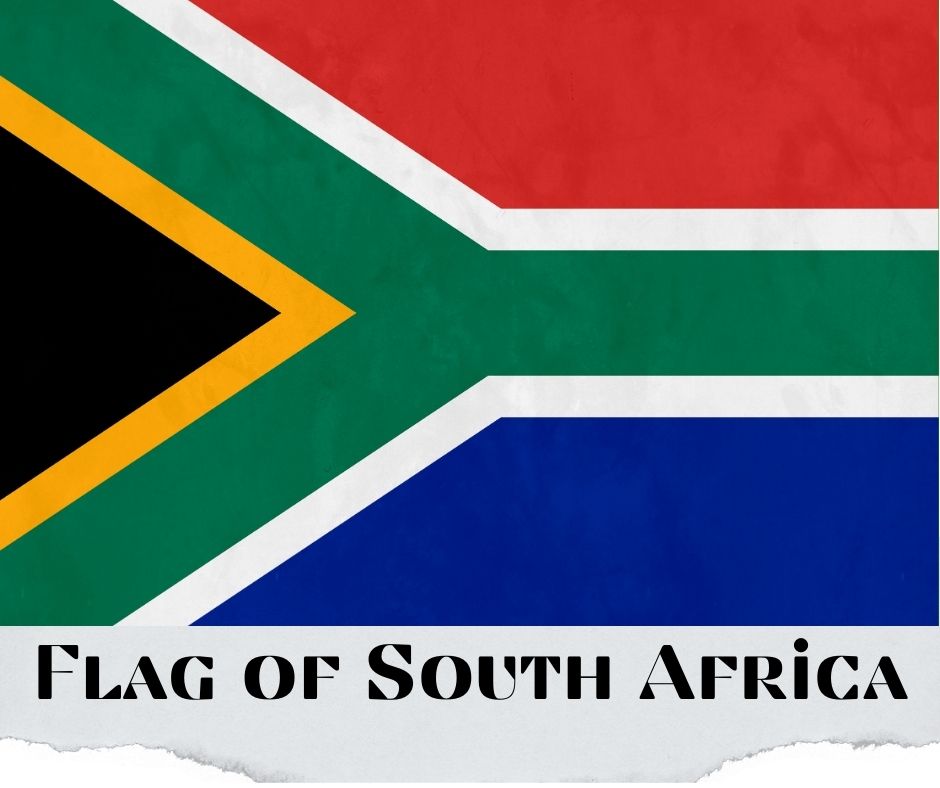
South Africa and its Basic Details :
| Category | Details |
|---|---|
| Name of the Country | South Africa |
| Capital | Pretoria (administrative), Bloemfontein (judicial), and Cape Town (legislative) |
| Independence Day | May 31, 1910 (from the United Kingdom) |
| Major Religions | Christianity, Islam, Hinduism, and Traditional African beliefs |
| Currency | South African Rand (ZAR) |
| Continent | Africa |
| Top 5 Famous Cities | Johannesburg, Cape Town, Durban, Pretoria, Port Elizabeth |
| Top 10 Famous Persons | Nelson Mandela, Desmond Tutu, Mahatma Gandhi, Thabo Mbeki, Steve Biko, Winnie Mandela, F.W. de Klerk, Oliver Tambo, Albertina Sisulu, Cyril Ramaphosa |
| Type of Government | Constitutional Democracy and Republic |
| Main Wars Fought | Anglo-Boer War (1899-1902), Anti-Apartheid Struggle (20th century), Border War (1966-1989) |
| GDP | Approximately $350 billion (2022) |
| 5 Popular Tourist Places | Kruger National Park, Table Mountain, Victoria & Alfred Waterfront, Robben Island, Cape Winelands |

Geography of South Africa :
| Category | Details |
|---|---|
| Geography | South Africa is located at the southern tip of the African continent. |
| Area (Square Kilometers) | Approximately 1,221,037 square kilometers (471,445 square miles). |
| Population | Approximately 60 million people (as of 2022). |
| 5 Main Mountain Ranges | Drakensberg Mountains, Great Escarpment, Roggeveld Mountains, Stormberg Mountains, Soutpansberg Mountains |
| 5 Main Mountain Peaks | Thabana Ntlenyana, Champagne Castle, Ben Macdhui, Cathedral Peak, Tiffindell |
| 5 Main Rivers | Orange River, Limpopo River, Vaal River, Tugela River, Great Fish River |
| Main Lakes | Lake Chrissie, Lake Fundudzi, Lake Sibhayi, Lake St. Lucia, Lake Eiland |
| Deserts | Kalahari Desert, Karoo Desert |
| Plateaus and Volcanoes | Highveld Plateau, Witwatersrand Basin |
| 5 Main Crops and Vegetation | Maize, Wheat, Sugarcane, Citrus fruits, Wine grapes |
| Main Beaches | Clifton Beaches, Umhlanga Rocks Beach, Boulders Beach, Camps Bay Beach, Noordhoek Beach |
| Neighboring Countries | Namibia, Botswana, Zimbabwe, Mozambique, Eswatini, Lesotho, and a maritime border with the French overseas region of Réunion |
| Nearby Seas and Oceans | Atlantic Ocean (western coast), Indian Ocean (southern and eastern coasts) |
| Length of Coastline | Approximately 2,798 kilometers (1,739 miles). |
| Top 5 Natural Resources | Gold, Diamonds, Platinum, Coal, Iron Ore |
Economy of South Africa :
| Category | Details |
|---|---|
| Economy | South Africa has a mixed economy with various sectors. |
| 5 Major Industries | Mining, Manufacturing, Agriculture, Services, Construction |
| 5 Main Revenue Sources | Taxation, Mining, Manufacturing, Financial Services, Trade |
| Top 10 Companies | Anglo American, Sasol, Naspers, Standard Bank Group, MTN Group, Sanlam Group, FirstRand, Shoprite Holdings, BHP Group, Absa Group |
| Per Capita Income | Approximately $6,000 (as of 2022). |
| Top 5 Imports | Machinery, Electronics, Vehicles, Mineral Fuels, Chemicals |
| Top 5 Exports | Minerals, Metals, Vehicles, Machinery, Chemicals |
| Total Gold Reserves | Approximately 125.3 metric tons (as of 2021). |
Defence Power of South Africa :
| Category | Details |
|---|---|
| Defence Policy | Active defense policy in place. South Africa maintains a moderate-sized military with a focus on regional security and peacekeeping operations. |
| Defence Budget | Approximately ZAR 51.1 billion ($2.8 billion). This represents approximately 1.2% of South Africa’s GDP. |
| Total Army Personnel | Approximately 75,000 active personnel, including regular personnel and reservists. |
| Total Air Force Personnel | Approximately 15,000 active personnel, including both pilots and other support personnel. |
| Total Navy Personnel | Approximately 7,500 active personnel, including sailors, marines, and other support personnel. |
| Total Defence Imports | Approximately ZAR 18.6 billion ($1.0 billion) in 2021, including weapons, vehicles, and other military hardware. |
| Total Defence Exports | Approximately ZAR 17.2 billion ($0.9 billion) in 2021, including arms sales to other countries. |
Cultural of South Africa :
| Category | Details |
|---|---|
| Cultural Diversity | South Africa is known for its diverse culture, influenced by various ethnic groups, including Zulu, Xhosa, Afrikaans, and more. |
| Main Festivals | 1. Cape Town International Jazz Festival: A renowned jazz festival held annually in Cape Town. |
| 2. National Arts Festival: An event showcasing various forms of art in Grahamstown. | |
| 3. Hermanus Whale Festival: A celebration of marine life in Hermanus. | |
| 4. Soweto Wine and Lifestyle Festival: An event focusing on wine and urban culture in Soweto. | |
| 5. Carnival of Cape Town: A colorful carnival held in Cape Town. | |
| Main Religious Places | 1. Faisal Mosque: A prominent mosque in Cape Town. |
| 2. St. George’s Cathedral: An iconic Anglican cathedral in Cape Town. | |
| 3. Shree Sanathan Hindu Temple: A significant Hindu temple in Durban. | |
| 4. Great Synagogue: A historic synagogue in Cape Town. | |
| 5. Nizamiye Mosque: A beautiful Turkish-style mosque in Midrand. | |
| Main Arts and Dances | 1. Traditional Zulu Dance: A vibrant and energetic dance form. |
| 2. Gumboot Dance: A dance originating from South African miners. | |
| 3. Isicathamiya: A unique a cappella singing style. | |
| 4. Belly Dancing: Influenced by Indian and Arabic dance traditions. | |
| 5. Pantsula: A street dance style with roots in the townships. | |
| Main Languages | 1. Zulu: One of the most widely spoken languages in South Africa. |
| 2. Xhosa: Known for its distinctive clicking sounds. | |
| 3. Afrikaans: A language with Dutch origins. | |
| 4. English: Widely spoken and an official language. | |
| 5. Sotho: Part of the Bantu language group. | |
| Famous Food and Cuisines | 1. Braai: A South African barbecue tradition. |
| 2. Bunny Chow: A popular street food dish. | |
| 3. Bobotie: A flavorful baked dish with spiced mincemeat. | |
| 4. Samoosas: Deep-fried pastry filled with various ingredients. | |
| 5. Boerewors: A flavorful sausage often enjoyed at braais. | |
| UNESCO Protected Buildings | 1. Robben Island: A historic site where Nelson Mandela was imprisoned. |
| 2. iSimangaliso Wetland Park: A UNESCO-listed wetland area. | |
| 3. Cradle of Humankind: A site with significant paleoanthropological discoveries. | |
| 4. Mapungubwe Cultural Landscape: An archaeological treasure. | |
| 5. Vredefort Dome: The world’s largest verified impact crater. |
Sports in South Africa :
| Category | Details |
|---|---|
| Sports Diversity | South Africa has a diverse sporting culture, with a wide range of sports played and followed. |
| National Game | Rugby |
| Main Sports | 1. Football (Soccer) |
| 2. Rugby | |
| 3. Cricket | |
| 4. Athletics | |
| 5. Golf | |
| Top Athletes | 1. Caster Semenya |
| 2. Wayde van Niekerk | |
| 3. Chad le Clos | |
| 4. AB de Villiers | |
| 5. Ernie Els | |
| Top Sports Achievements | 1. Rugby World Cup 1995 (Winners) |
| 2. Cricket World Cup 1992 (Winners) | |
| 3. Olympic Gold in Men’s 400m (Wayde van Niekerk, 2016) | |
| 4. Olympic Gold in Women’s 800m (Caster Semenya, 2012) | |
| 5. Golf Masters Tournament (Multiple South African Winners) |
Natural Habitat and wild life of South Africa :
| Category | Details |
|---|---|
| Natural Habitat and Wildlife | South Africa boasts diverse ecosystems, including savannas, grasslands, deserts, and forests, hosting various wildlife species. |
| National Animal | Springbok (Antidorcas marsupialis) |
| National Bird | Blue Crane (Anthropoides paradiseus) |
| Main Forests | 1. Knysna-Amatole Montane Forests |
| 2. Maputaland-Pondoland-Albany Hotspots | |
| 3. Drakensberg Montane Grasslands and Forests | |
| 4. Afro-Montane Forests of the Eastern Cape | |
| 5. Kalahari Acacia-Baikiaea Woodlands | |
| Main Recognized Natural Habitats | 1. Kruger National Park |
| for Wild Animals | 2. Table Mountain National Park |
| 3. iSimangaliso Wetland Park | |
| 4. Addo Elephant National Park | |
| 5. Kgalagadi Transfrontier Park |
Biggest in the South Africa :
| Category | Details |
|---|---|
| Biggest City | Johannesburg: Largest city by population in South Africa, with an estimated 5.7 million inhabitants. |
| Richest Man | Johann Rupert: South African billionaire businessman, with a net worth of $11.4 billion (as of October 26, 2023). |
| Biggest Company | Naspers: Largest multinational internet and media group based in South Africa, with a market capitalization of over $85 billion. |
| Tallest Building | The Leonardo: Tallest building in South Africa, with a height of 227 meters (744 feet). |
| Tallest Statue | Nelson Mandela Statue: Largest bronze statue in South Africa, depicting Nelson Mandela and reaching 9 meters (29.5 feet) in height. |
| Largest Dam | Gariep Dam: Largest dam in South Africa by capacity, holding 5.3 cubic kilometers of water. |
| Tallest Mountain | Mafadi Peak: Highest mountain in South Africa, located in the Drakensberg mountain range with an elevation of 3,450 meters (11,320 feet). |
| Longest River | Orange River: Longest river in South Africa, flowing for 2,200 kilometers (1,367 miles) from Lesotho to the Atlantic Ocean. |
| Biggest Forest | Knysna Forest: Largest indigenous forest in South Africa, covering an area of approximately 2,500 square kilometers (965 square miles). |
| Biggest Lake | Lake St. Lucia: Largest lake in South Africa, covering an area of 350 square kilometers (135 square miles). |
Brief History Of South Africa :
A brief history of this country, including its ancient, medieval, modern, and recent periods:
Ancient South Africa:
- This country has a rich archaeological history dating back to the prehistoric era. It is home to some of the world’s oldest known fossils, including those of early hominids like the famous “Taung Child.”
- San and Khoikhoi people were among the first indigenous groups in the region, known for their rock art and a hunter-gatherer lifestyle.
- Bantu-speaking groups migrated to the region around 2,000 years ago, bringing agriculture and ironworking skills. They established various kingdoms and chiefdoms.
Medieval Period:
- During the medieval period, several powerful Bantu-speaking kingdoms emerged in South Africa, including the Kingdom of Mapungubwe and the Great Zimbabwe.
- The influence of Arab and Persian traders extended to the eastern coast, leading to the creation of trading towns like Sofala.
- In the 15th century, European explorers, including Vasco da Gama, began to make contact with the region, leading to the establishment of trade routes.
Modern Era:
- In the 17th century, the Dutch East India Company established a colony at the Cape of Good Hope to provide a refreshment station for ships traveling to Asia.
- The Dutch settlers (Afrikaners or Boers) came into conflict with the British, leading to British control of the Cape Colony in the early 19th century.
- The Zulu Kingdom and other African states also played significant roles during this period.
- The discovery of diamonds and gold in the late 19th century sparked the mineral revolution, leading to an influx of foreign settlers and the Anglo-Boer War (1899-1902).
Recent History:
- South Africa became a Union within the British Empire in 1910 and later gained full independence as the Republic of South Africa in 1961.
- The apartheid system was implemented in 1948, leading to decades of racial segregation and oppression.
- The African National Congress (ANC), led by Nelson Mandela, played a pivotal role in the struggle against apartheid.
- Nelson Mandela’s release from prison in 1990 marked the beginning of negotiations to end apartheid.
- In 1994, South Africa held its first democratic elections, with Nelson Mandela becoming its first black president.
- Since then, South Africa has made significant progress in addressing its apartheid legacy and building a multiracial democracy.
- Challenges remain, including issues related to inequality, unemployment, and land reform.
South Africa’s history is marked by its diverse cultural and ethnic heritage, struggles against colonialism and apartheid, and its ongoing journey towards development and reconciliation.