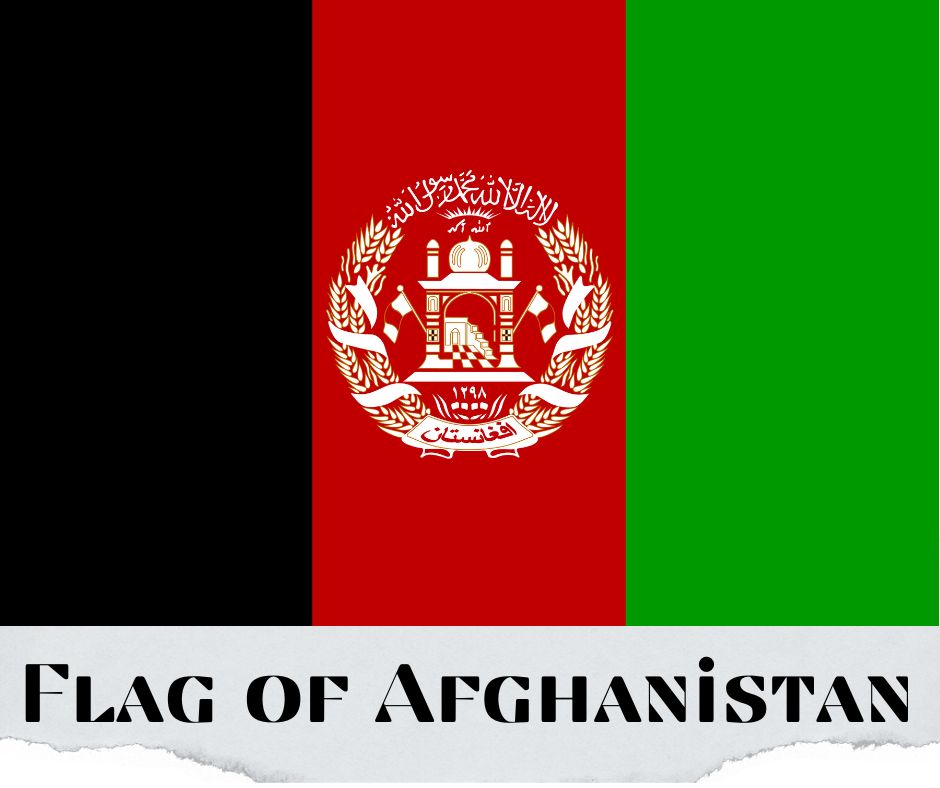
Afghanistan and its Details Like , Capital, GDP, Currency, Geography, Economy, Defence, Culture, Natural resources, Habitat, Sports and all you want to know for UPSC, PSC and Other Competitive Exams.
Afghanistan and its Basic Details :
Category
Information
Name of the country
Afghanistan
Capital
Kabul
Independence Day
August 19, 1919
Major religions
Islam (predominantly Sunni)
Currency
Afghan afghani (AFN)
Continent
Asia
Top 5 Famous cities
Kabul, Kandahar, Herat, Mazar-i-Sharif, Jalalabad
Top 10 Famous persons
Ahmad Shah Durrani, Burhanuddin Rabbani, Malalai of Maiwand, Ashraf Ghani, Hamid Karzai, Ahmad Zahir, Abdul Ahad Momand, Abdul Rashid Dostum, Hafizullah Amin, Bacha Khan
Type of government
Islamic Republic
Main wars fought
Anglo-Afghan Wars, Soviet-Afghan War, War in Afghanistan (2001–2021)
GDP
$19.29 billion (2020, World Bank)
5 popular tourist places
Bamiyan Valley, Herat, Kabul, Mazar-i-Sharif, Band-e Amir
Afghanistan , Its Capital, Independence Day, Currency, Major religions, Continent, Top 5 Famous cities, Top 10 Famous persons, type of government, main wars fought, GDP, 5 popular tourist places.
Geography of Afghanistan :
Category
Information
Geography
Landlocked, mountainous terrain, some plains
Area
Approximately 652,230 square kilometers
Population
Around 38 million (as of 2022)
Mountain Ranges
Hindu Kush, Pamir, Safed Koh, Koh-i-Baba, Spin Ghar
Geography of the Afghanistan, Area in Square Kilometers, Population, 5 Main mountain range, 5 main mountain peeks, 5 Main Rivers, Main lakes, Deserts, plateau and Volcanoes, 5 Main Crops and vegetation, Main Beaches, Neighbouring countries which share boundaries, Nearby Sea and oceans, length of Coast line, top 5 Natural resources.
Economy of Afghanistan :
Category
Information
Economy
Mixed economy, agriculture and services dominant
Major Industries
Agriculture, textiles, mining, telecommunications, construction
Revenue Sources
Agriculture, natural resources, foreign aid, services, industry
Top 10 Companies
Afghan Wireless, Roshan Telecom, Alokozay Group, Azizi Bank, …
Economy of the Afghanistan, 5 Major Industries, 5 main revenue sources, top 10 Companies, Per capita income, Top 5 imports, Top 5 exports, Total Gold Reserves.
Defence Power of Afghanistan :
Category
Information
Defence Budget
Varies (data not available for 2023)
Total Army Personnel
Approximately 180,000 (as of 2022)
Total Air Force Personnel
Approximately 7,000 (as of 2022)
Total Navy Personnel
Afghanistan is landlocked and has no navy
Defence Imports
Various weaponry, equipment from multiple sources
Defence Exports
Data not available for significant defense exports
Defence of the Afghanistan, Size of Defence budget, Total number of Army Personals, Total Number of Air Force Personals, Total number of Navy Personals, Total Defence Imports, Total Defence Export.
Blue Mosque in Mazar-i-Sharif, Shrine of Hazrat Ali in Mazar-i-Sharif, Herat Citadel, Pul-e Khishti Mosque in Kabul, Shah-e Doh Shamshira Mosque in Kabul
Pashto, Dari (Afghan Persian), Uzbek, Turkmen, Balochi
Famous Food and Cuisines
Kabuli Pulao, Mantu, Ashak, Bolani, Kebabs
UNESCO Protected Buildings
Minaret and Archaeological Remains of Jam, Cultural Landscape and Archaeological Remains of the Bamiyan Valley, Citadel of Herat, Historic Centre of Kabul, Shahr-e-Gholghola (City of Screams)
Cultural, 5 Main Festivals, 5 main religious places, main arts and Dances, Main Languages, Famous food and Cuisines, 5 UNSCO Protected Buildings.
Sports in Afghanistan :
Category
Information
National Game
Buzkashi (traditional horseback game)
Main Sports
Football (soccer), cricket, basketball, volleyball
Top Athletes
Rashid Khan (cricketer), Rohullah Nikpai (taekwondo), Maria Toorpakai (squash)
Top Sports Achievements
Qualification for ICC Cricket World Cup, Olympic bronze medal in taekwondo, international recognition of Rashid Khan in cricket
Sports of the Afghanistan, National Game, Main Sports, top athletes, Top Sports Achievements.
Natural Habitat and wild life of Afghanistan :
Category
Information
National Animal
Snow leopard
National Bird
Golden eagle
Main Forests
Band-e Amir National Park, Wakhan National Park
Main Recognized Natural Habitats
Pamir Mountains, Hindu Kush, Wakhan Corridor, Kabul Gorge
Natural Habitat and wild life of the Afghanistan, National Animal, National Bird, Main Forests, Main Recognized Natural Habitats for wild animals.
Biggest in the Afghanistan :
Category
Information
Biggest in the Country
Tallest Mountain (Noshaq)
Richest Man
Abdul Ghias Sherzai
Biggest Company
Afghan Wireless Communication Company
Tallest Building
Safi Landmark Hotel & Suites
Tallest Statue
The Minaret of Jam
Biggest Bridge
Pul-e Khishti Bridge
Tallest Mountain
Noshaq
Longest River
Helmand River
Biggest Forest
The forest cover is limited and not categorized as the biggest
Biggest Lake
Band-e Amir
Biggest in the Afghanistan, Richest Man, Biggest Company, Tallest Building, Tallest Statue, Biggest Bridge, Tallest Mountain, Longest River, Biggest Forest, Biggest Lake.
Brief History Of Afghanistan :
The history of Afghanistan is incredibly rich and complex, marked by a series of conquests, empires, invasions, and geopolitical changes. Here’s a concise overview:
Ancient Afghanistan:
Early Civilizations: Afghanistan’s history dates back to ancient times when it was a part of the region known as Bactria. It was home to various ancient civilizations, including the Persian Achaemenid Empire and the Greek Empire of Alexander the Great.
Buddhist Influence: The region became a center for Buddhist culture, with the famous statues of Buddha in Bamiyan, a significant historical site.
Medieval Period:
Islamic Conquest: Afghanistan witnessed the spread of Islam in the 7th century with Arab invasions. It became a part of various Islamic empires, including the Ghaznavid, Ghorid, and Timurid dynasties.
Mongol Invasion: The region faced devastation during the Mongol invasions in the 13th century.
Modern Era:
19th Century: Afghanistan emerged as a buffer state between the British and Russian empires during the Great Game. It remained independent despite attempts at colonization.
20th Century: Afghanistan gained full independence from Britain in 1919. In the late 20th century, a series of political upheavals, including coups and monarchy changes, marked the country’s instability.
Recent History:
Soviet Invasion: The late 20th century saw Soviet intervention in Afghanistan (1979-1989) leading to a protracted conflict between Soviet forces and Afghan mujahideen.
Taliban Rule: The 1990s saw the rise of the Taliban, an Islamist group that took control of most of the country, imposing a strict interpretation of Islamic law.
Post-9/11: The 2001 US-led invasion toppled the Taliban regime, leading to a new government and the establishment of a democratic system. However, the country continued to face internal conflicts, insurgency, and challenges in state-building.
Throughout its history, Afghanistan has been a crossroads of civilizations, cultures, and trade routes, which has contributed to its diverse ethnic makeup and complex geopolitical position. The country’s history reflects a constant struggle for stability, autonomy, and cultural identity amid external influences and internal challenges.



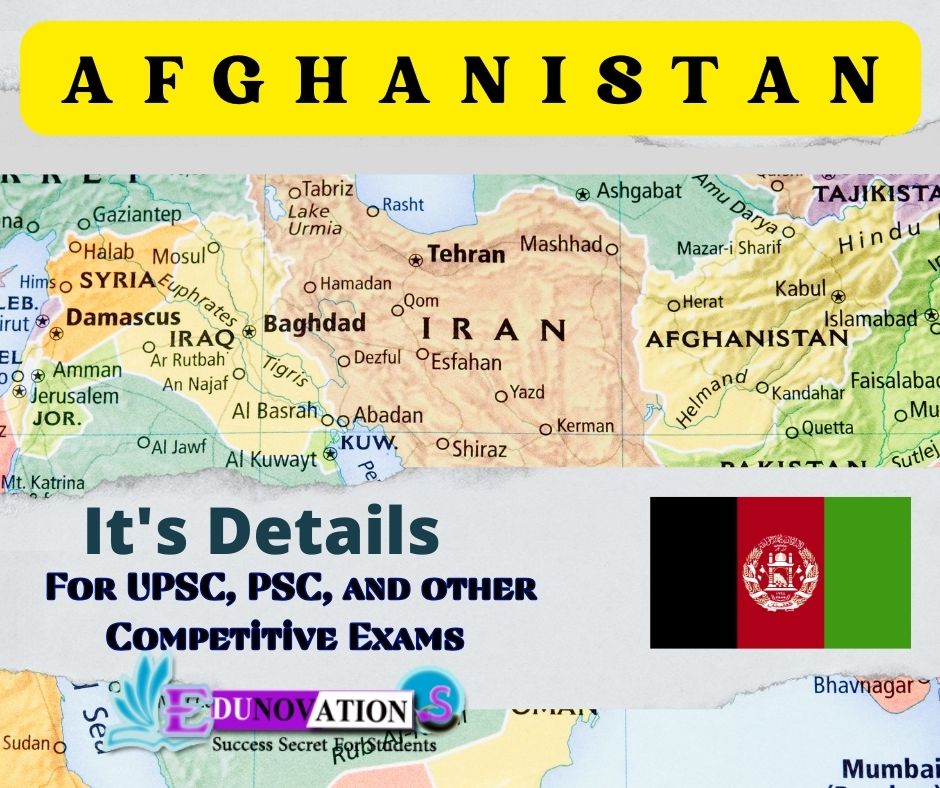 Afghanistan and its Details