






Indian Navy INS Dunagiri Project 17A stealth frigate enhances maritime security with advanced weapons, indigenous technology, and strategic importance for defence exams.
Indian Navy Strengthens Maritime Power with INS Dunagiri
🔹 Introduction: A Major Boost to Naval Capabilities
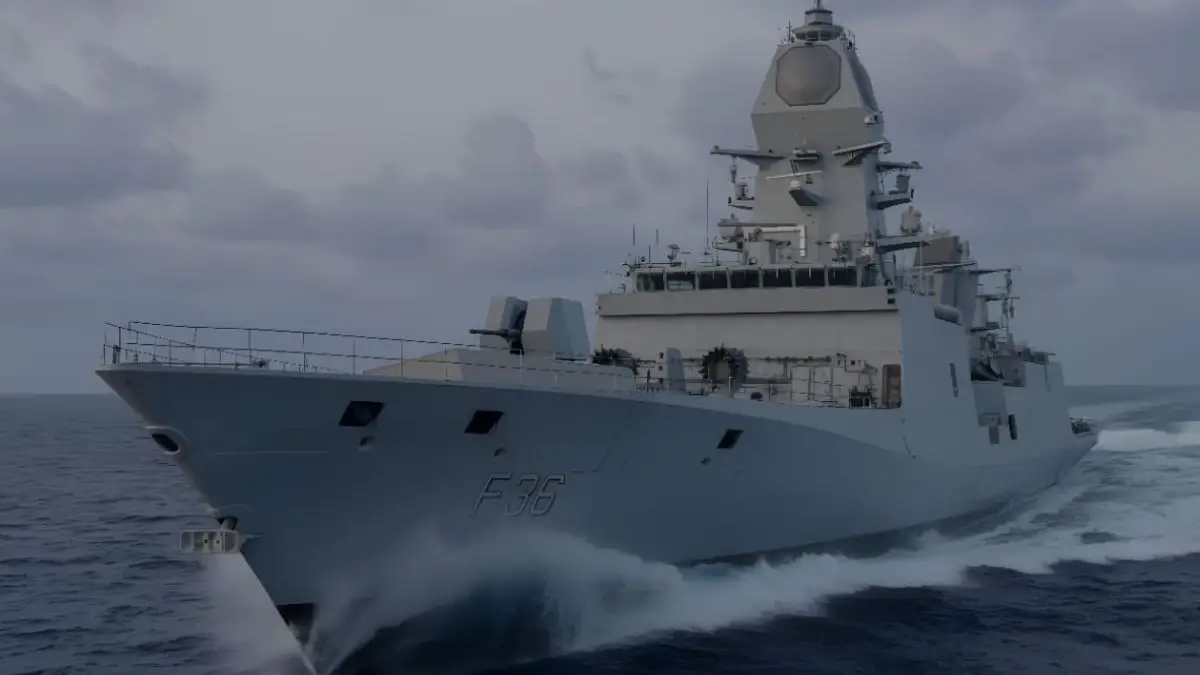
The Indian Navy has inducted the indigenous stealth frigate INS Dunagiri, marking a significant milestone in India’s maritime defense capabilities. Built under the prestigious Project 17A, this warship represents a leap forward in indigenous shipbuilding and advanced naval technology. The induction aligns with India’s broader vision of achieving self-reliance in defense manufacturing under the “Aatmanirbhar Bharat” initiative.
🔹 Project 17A and Indigenous Shipbuilding
INS Dunagiri is the fifth ship of the Nilgiri-class frigates under Project 17A. These next-generation stealth frigates are designed as an upgraded version of the earlier Shivalik-class vessels. The ship was constructed by Garden Reach Shipbuilders and Engineers (GRSE) in Kolkata and designed by the Indian Navy’s Warship Design Bureau.
The project aims to build seven advanced stealth frigates with enhanced combat capabilities, improved stealth features, and reduced radar signatures. With around 75% indigenous content, the project showcases India’s growing expertise in defense manufacturing and technological innovation.
🔹 Advanced Features and Weapon Systems
INS Dunagiri is equipped with cutting-edge weapons and sensor systems, making it a multi-mission warship capable of handling various threats. It carries BrahMos surface-to-surface missiles, advanced radar systems like MFSTAR, and the MRSAM air defense system.
Additionally, the frigate includes anti-submarine warfare capabilities such as torpedoes and rockets, along with a 76 mm naval gun and close-in weapon systems. It is powered by a Combined Diesel or Gas (CODOG) propulsion system, ensuring high speed and operational efficiency.
🔹 Strategic Importance of INS Dunagiri
The induction of INS Dunagiri enhances the Indian Navy’s ability to operate in diverse maritime environments. Its stealth capabilities make it difficult to detect, giving India a strategic advantage in naval warfare. The ship strengthens India’s presence in the Indian Ocean Region (IOR), which is crucial for safeguarding trade routes and national security.
🔹 Symbol of Legacy and Modernization
INS Dunagiri is named after an earlier naval ship that served from 1977 to 2010, symbolizing continuity and legacy. The new vessel, however, incorporates modern technologies and advanced combat systems, representing the evolution of India’s naval strength.

📌 Why This News is Important
🔹 Strengthening National Security
The induction of INS Dunagiri significantly boosts India’s maritime defense capabilities. With increasing geopolitical tensions in the Indian Ocean Region, having advanced stealth frigates enhances the Navy’s readiness to respond to threats. The ship’s ability to perform multiple roles—anti-air, anti-surface, and anti-submarine warfare—makes it a crucial asset.
🔹 Push for Aatmanirbhar Bharat
This development highlights India’s progress toward self-reliance in defense production. With about 75% indigenous content and participation from over 200 MSMEs, the project demonstrates how domestic industries contribute to national security.
🔹 Technological Advancement
INS Dunagiri reflects India’s growing expertise in advanced shipbuilding technologies. The integration of modern radar systems, missile platforms, and stealth design showcases India’s ability to compete globally in defense technology.
🕰️ Historical Context
🔹 Evolution of Indian Naval Frigates
India’s journey in building modern frigates began with the Shivalik-class (Project 17), which introduced stealth technology into the Indian Navy. Project 17A is an upgraded version with improved automation, survivability, and stealth features.
🔹 Indigenous Naval Design Development
Over the years, the Indian Navy’s Warship Design Bureau has played a crucial role in designing indigenous warships. The transition from imported platforms to domestically built ships reflects India’s strategic shift toward self-reliance.
🔹 Legacy of INS Dunagiri
The original INS Dunagiri, a Leander-class frigate, served the Navy for over three decades. The new INS Dunagiri continues this legacy while incorporating state-of-the-art technology, symbolizing modernization rooted in tradition.
📊 Key Takeaways from This News
| S.No. | Key Takeaway |
|---|---|
| 1 | INS Dunagiri is the 5th Nilgiri-class stealth frigate under Project 17A |
| 2 | Built indigenously by GRSE, Kolkata with ~75% indigenous content |
| 3 | Equipped with BrahMos missiles, MFSTAR radar, and MRSAM system |
| 4 | Enhances India’s maritime security and presence in the Indian Ocean Region |
| 5 | Reflects India’s push toward Aatmanirbhar Bharat in defense manufacturing |
Frequently Asked Questions (FAQs)
🔹 1. What is INS Dunagiri?
INS Dunagiri is an indigenous stealth guided-missile frigate inducted into the Indian Navy under Project 17A. It is part of the Nilgiri-class warships designed with advanced stealth and combat capabilities.
🔹 2. Under which project was INS Dunagiri built?
INS Dunagiri was built under Project 17A, which focuses on constructing advanced stealth frigates for the Indian Navy with enhanced automation and survivability.
🔹 3. Which shipyard constructed INS Dunagiri?
The warship was built by Garden Reach Shipbuilders and Engineers (GRSE), Kolkata, one of India’s leading defense shipyards.
🔹 4. What are the key features of INS Dunagiri?
INS Dunagiri is equipped with:
- BrahMos supersonic cruise missiles
- MRSAM air defense system
- Advanced radar systems (MFSTAR)
- Anti-submarine warfare systems
- Stealth technology to reduce radar visibility
🔹 5. How many ships are planned under Project 17A?
A total of 7 stealth frigates are being built under Project 17A.
🔹 6. Why is INS Dunagiri important for India?
It enhances India’s maritime security, strengthens naval presence in the Indian Ocean Region, and supports indigenous defense manufacturing.
🔹 7. What is the significance of the name ‘Dunagiri’?
The ship is named after a previous INS Dunagiri (Leander-class frigate), maintaining naval tradition and legacy.
🔹 8. What is CODOG propulsion system?
CODOG (Combined Diesel or Gas) is a propulsion system that allows ships to switch between diesel engines and gas turbines for efficiency and speed.
🔹 9. What is the indigenous content in Project 17A ships?
Approximately 75% of the components used in these ships are indigenously sourced.
🔹 10. Which exam topics does this news relate to?
This topic is important for:
Current Affairs for UPSC, SSC, Banking, Railways
Defence & Security
Science & Technology
Government Schemes (Aatmanirbhar Bharat)
Some Important Current Affairs Links