








Gujarat STI Policy 2026–31 launched with a ₹1,000 crore Innovation Fund to promote emerging technologies, IP generation, and research ecosystem. Key points for competitive exams explained.
Gujarat Unveils Ambitious Science, Technology & Innovation (STI) Policy 2026–31 with ₹1,000 Crore Innovation Fund
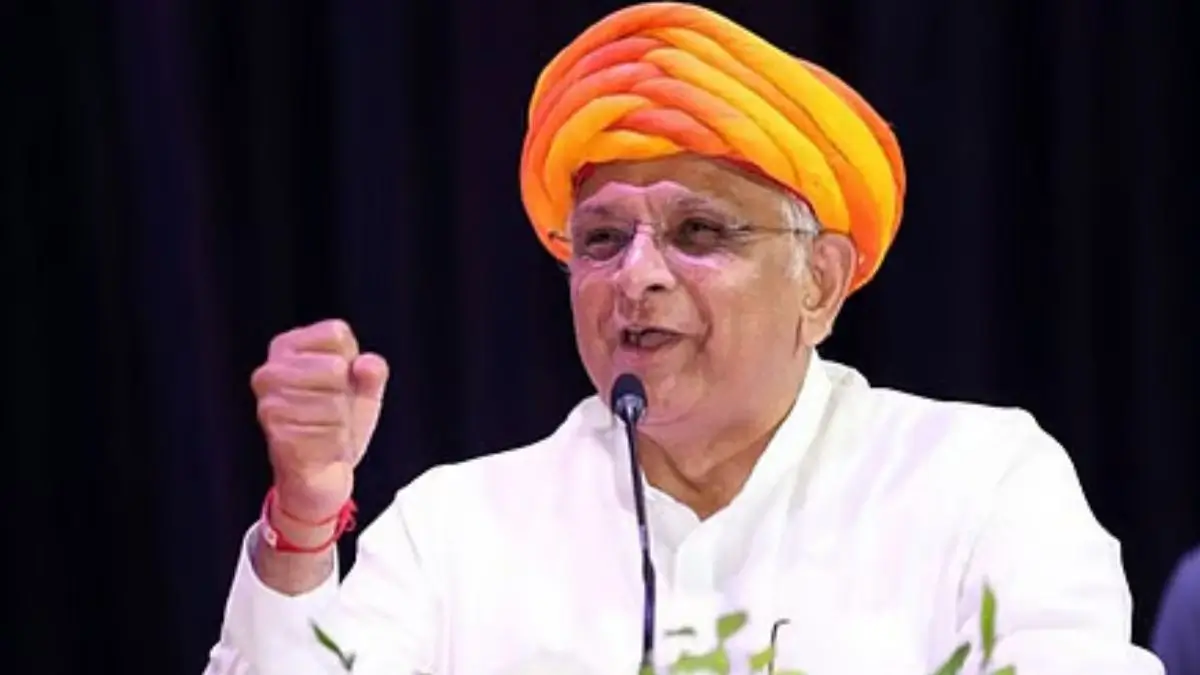
The Gujarat government has launched its new Science, Technology and Innovation (STI) Policy 2026–31, marking a major step in transforming the state into a leading research and innovation hub in India. The policy was officially unveiled at the SemiConnect 2026 Conference held in Gandhinagar by Chief Minister Bhupendra Patel. A key highlight of this policy is the announcement of a ₹1,000 crore Innovation Fund aimed at accelerating indigenous research and development (R&D) and encouraging technology‑based growth.
Vision and Objectives of the STI Policy 2026–31
The STI Policy 2026–31 has been designed to position Gujarat as a hub of high‑end research and innovation by 2031. The policy’s main objectives include: creating 1 lakh skilled research professionals, promoting 1,000 intellectual property (IP) filings annually, and fostering technology‑led industrial growth across critical sectors. It also aims to reduce import dependence in areas like semiconductors, clean energy and advanced technologies.
₹1,000 Crore Innovation Fund: Fueling Indigenous Tech Development
One of the major features of this policy is the ₹1,000 crore Innovation Fund. This fund will support high‑impact research projects, startups, and research institutions working in emerging technology areas such as artificial intelligence (AI), semiconductors, biotechnology, quantum computing and clean energy. The objective is to finance groundbreaking technologies and build a self‑reliant innovation ecosystem in Gujarat.
Focus on Emerging Technologies
The policy strongly emphasizes innovation in emerging and future technologies such as:
- Artificial Intelligence (AI) and Machine Learning
- Semiconductors and Robotics
- Quantum Technologies
- Space, Clean Energy and Biotech
By prioritizing these areas, the government aims to foster technological growth that aligns with global trends.
Strengthening Traditional Industries through Innovation
Beyond modern technologies, the STI policy seeks to modernize Gujarat’s traditional strength areas like chemicals, pharmaceuticals, ceramics, agro‑processing and gems & jewellery through research and technological upgradation. This will help these sectors become more competitive and innovation‑driven.
Science & Technology Clusters Across the State
To promote collaborative innovation, the policy introduces Science & Technology Clusters in key regions such as:
- Ahmedabad‑Gandhinagar
- Vadodara‑Surat
- Rajkot‑Bhavnagar
- Junagadh‑Jamnagar
- Kachchh
These clusters aim to bring together academia, industry and research bodies to enhance knowledge transfer and commercialization of technologies.
Human Capital and IP Goals
The policy also focuses on building a talent pool of 1 lakh research professionals by 2031 and targets 1,000 intellectual property filings annually, including patents and global IP registrations. This emphasis on human capital and IP generation is expected to strengthen research output and global competitiveness of Gujarat.

Why This News Is Important for Government Exam Aspirants
Enhances Understanding of State‑Led Innovation Policies
Government exams—whether UPSC (IAS/PSC), state‑level PCS, banking, railways, teaching or defence exams—often include questions related to economic policies, scientific advancements and innovation ecosystems. The unveiling of Gujarat’s STI Policy 2026‑31 reflects how a state government is strategically strengthening its innovation, technology and research ecosystem. Understanding such initiatives showcases how India’s states contribute to the nation’s overall technological growth and self‑reliance.
Relevance to Subjects Like Economy, Science & Technology, Policy and Governance
This news is relevant to multiple subjects in competitive exams:
- Economy & Governance: Policy objectives and fund allocation relate to economic planning.
- Science & Technology: Coverage of advanced technologies like AI, semiconductors and quantum tech links directly to static GK topics.
- Innovation & Start‑ups: The Innovation Fund and focus on IP creation are aligned with national startup and R&D goals.
By preparing this topic, aspirants improve their knowledge on state‑initiated innovation strategies and their national implications.
Historical Context: India’s Push Toward Science & Innovation Leadership
India has progressively focused on strengthening its innovation ecosystem through both central and state policies. At the national level, initiatives like the National Innovation Fund, Atal Innovation Mission (AIM), National Research Foundation (NRF) and sector‑specific missions have laid the foundation for research‑driven growth. The country’s commitment to becoming a global tech hub by 2047 is reflected in its focus on emerging technologies, innovation funding and intellectual property creation.
States have also been supporting technology and innovation through their respective policies. Gujarat’s STI Policy 2026‑31 aligns with national goals of self‑reliance (Aatmanirbhar Bharat) and tech leadership, strengthening collaborative ecosystems that link academia, industry and government research institutions.
Key Takeaways from Gujarat’s STI Policy 2026–31
| S. No. | Key Takeaway |
|---|---|
| 1. | Gujarat launched its Science, Technology & Innovation (STI) Policy 2026–31 to strengthen research and innovation ecosystem. |
| 2. | A dedicated ₹1,000 crore Innovation Fund will support high‑impact research, startups and tech development. |
| 3. | Policy aims to create 1 lakh skilled research professionals by 2031. |
| 4. | Targets 1,000 intellectual property (IP) filings annually including patents and global filings. |
| 5. | Focus sectors include AI, semiconductors, quantum tech, clean energy and traditional industries modernization. |
FAQs: Frequently Asked Questions
1. What is the main objective of Gujarat’s STI Policy 2026–31?
The main objective is to transform Gujarat into a leading hub of research, innovation, and technology-driven growth by 2031, focusing on high-end technologies and skilled workforce development.
2. How much is allocated for the Innovation Fund under this policy?
Gujarat has allocated ₹1,000 crore as the Innovation Fund to support startups, high-impact research projects, and technological development.
3. Which emerging technologies are prioritized in the STI Policy?
The policy prioritizes Artificial Intelligence (AI), semiconductors, quantum computing, biotechnology, clean energy, and space technologies.
4. What are the IP and human capital targets of the policy?
The policy aims to create 1 lakh skilled research professionals and achieve 1,000 intellectual property (IP) filings annually, including patents and global IP registrations.
5. How will Gujarat promote collaborative innovation across the state?
The policy introduces Science & Technology Clusters in key regions like Ahmedabad-Gandhinagar, Vadodara-Surat, Rajkot-Bhavnagar, Junagadh-Jamnagar, and Kachchh to link academia, industry, and research institutions.
6. Why is this policy important for competitive exam aspirants?
This news is relevant to topics like Science & Technology, Economy, Governance, Innovation, and Startups, which frequently appear in exams like UPSC, PCS, banking, railways, and teaching recruitment.
7. How does this policy align with India’s national innovation goals?
It supports Aatmanirbhar Bharat and national innovation missions by promoting research, IP creation, and emerging technologies, complementing initiatives like the Atal Innovation Mission and National Research Foundation.
Some Important Current Affairs Links