





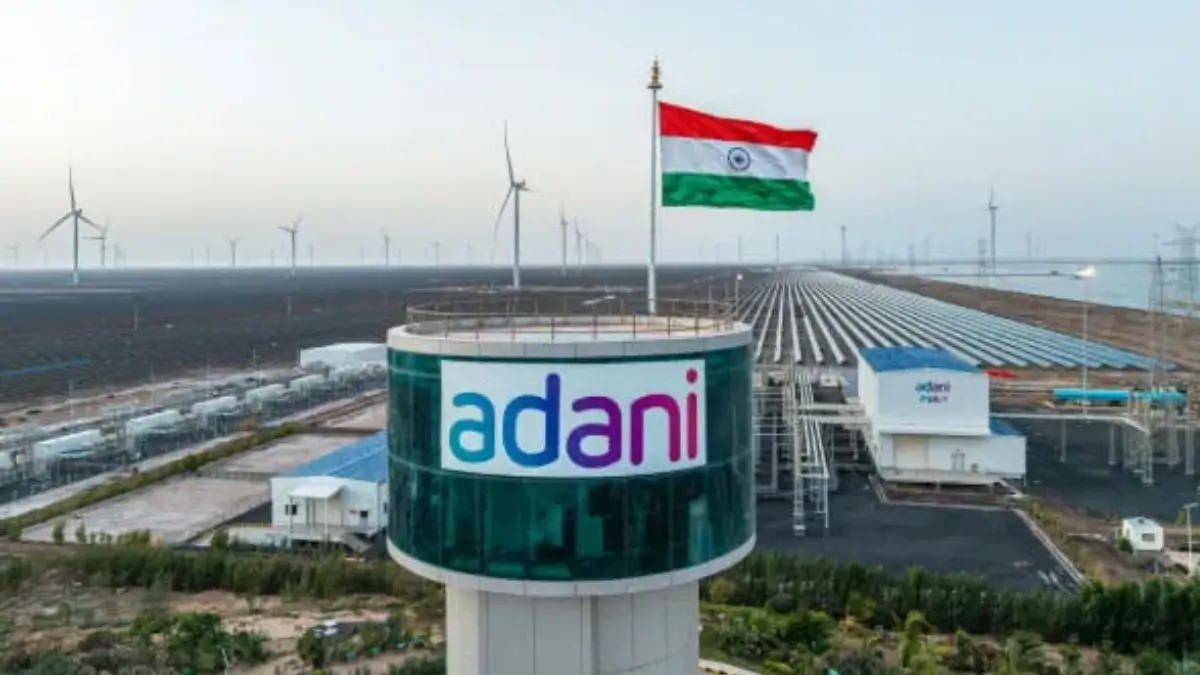
Adani Khavda Battery Storage Project: Learn about the 3.37 GWh battery energy storage system commissioned at Gujarat’s Khavda Renewable Energy Park, boosting India’s renewable energy capacity and grid stability.
India’s Largest Battery Energy Storage System Boosts Clean Energy Push
🔋 Massive Battery Storage Project Commissioned at Khavda
Adani Green Energy Limited (AGEL) has successfully commissioned a 3.37 Gigawatt-hour (GWh) Battery Energy Storage System (BESS) at Khavda in Gujarat. This development marks one of the most significant milestones in India’s renewable energy sector and strengthens the country’s transition towards clean and reliable power infrastructure.
The project is part of the rapidly expanding Khavda Renewable Energy Park, which is already among the largest hybrid renewable energy zones in the world. The newly commissioned battery system is designed to store large-scale solar and wind energy and supply electricity during peak demand periods.
⚡ World’s Largest Single-Site Storage Outside China
This BESS facility is being recognized as the world’s largest single-location battery storage system outside China. It includes previously installed capacity of 1.37 GWh and brings the total operational storage capacity at Khavda to 3.37 GWh.
The system plays a critical role in balancing electricity supply and demand by storing excess renewable energy generated during the day and releasing it during high consumption hours, especially in the evening.
🌍 Strengthening India’s Renewable Energy Infrastructure
The Khavda project is a key part of India’s ambitious renewable energy expansion plan, which targets massive non-fossil fuel capacity additions by 2030. The battery system ensures better grid stability and supports integration of intermittent renewable sources like solar and wind.
With this development, India moves closer to achieving its long-term vision of round-the-clock clean energy supply and reduced dependency on fossil fuels.
⚙️ Fast Execution and Future Expansion Plans
The project was completed in approximately 10 months, making it one of the fastest utility-scale battery storage installations globally. Adani Green has also indicated future expansion plans, including adding more than 10 GWh of storage capacity in FY27 and scaling up to 50 GWh over the next five years.

📌 Why this News is Important
⚡ Strategic Importance for India’s Energy Security
The commissioning of the Khavda BESS project is crucial for strengthening India’s energy security. As renewable energy sources like solar and wind are intermittent, large-scale battery storage ensures stable electricity supply even when natural conditions are not favorable. This directly supports India’s transition toward a sustainable and resilient power grid.
🌱 Boost to Net Zero and Climate Goals
India has committed to achieving net-zero emissions by 2070. Projects like the Khavda battery storage system help reduce reliance on fossil fuels, lower carbon emissions, and increase the share of clean energy in the national grid. This makes it an important step in global climate action commitments.
⚡ Grid Stability and Power Reliability
One of the major challenges in renewable energy is maintaining grid stability. The BESS allows energy to be stored and released based on demand, preventing blackouts and reducing peak load pressure. This improves the efficiency of India’s power distribution system.
💼 Economic and Industrial Significance
The project also strengthens India’s position in global clean energy infrastructure development. It encourages investment in advanced battery technology, boosts industrial growth in the renewable sector, and creates opportunities for innovation and employment.
📚 Historical Context
India’s renewable energy journey has evolved rapidly over the past decade. The government launched major initiatives like the National Solar Mission (2010) to expand clean energy capacity. Gujarat, especially the Kutch region, has emerged as a renewable energy hub due to its vast barren land and high solar potential.
The Khavda Renewable Energy Park, approved in 2020, is planned as one of the world’s largest hybrid renewable projects combining solar and wind energy. Over time, multiple phases of development have been launched by both public and private players, including Adani Green Energy.
The introduction of large-scale battery storage marks a new phase in India’s energy transition, moving from just generation to advanced energy management and storage solutions, essential for a modern renewable-based grid.
📊 Key Takeaways from “Adani Khavda Battery Storage Project”
| S.No. | Key Takeaway |
|---|---|
| 1 | Adani Green commissioned a 3.37 GWh battery storage system at Khavda, Gujarat |
| 2 | It is the largest single-site battery storage project outside China |
| 3 | The system stores excess renewable energy for use during peak demand |
| 4 | The project supports India’s renewable energy integration and grid stability |
| 5 | Adani Green plans to expand battery storage capacity significantly in coming years |
FAQs (Frequently Asked Questions)
1. What is the Khavda Battery Energy Storage Project?
The Khavda Battery Energy Storage Project is a large-scale energy storage system commissioned by Adani Green Energy Limited in Gujarat to store renewable energy and supply it during peak demand hours.
2. What is the capacity of the battery storage system at Khavda?
The total operational capacity of the battery energy storage system at Khavda is 3.37 GWh (Gigawatt-hour).
3. Why is battery energy storage important for renewable energy?
Battery storage helps store excess solar and wind energy and releases it when demand is high, ensuring continuous and stable electricity supply.
4. Where is the Khavda Renewable Energy Park located?
The Khavda Renewable Energy Park is located in the Kutch district of Gujarat, India.
5. Which company developed the Khavda BESS project?
The project has been developed and commissioned by Adani Green Energy Limited (AGEL).
6. Why is this project important for competitive exams?
It is important for exams like UPSC, SSC, Banking, Railways, and State PCS because it relates to renewable energy, current infrastructure development, and India’s climate goals.
Some Important Current Affairs Links