







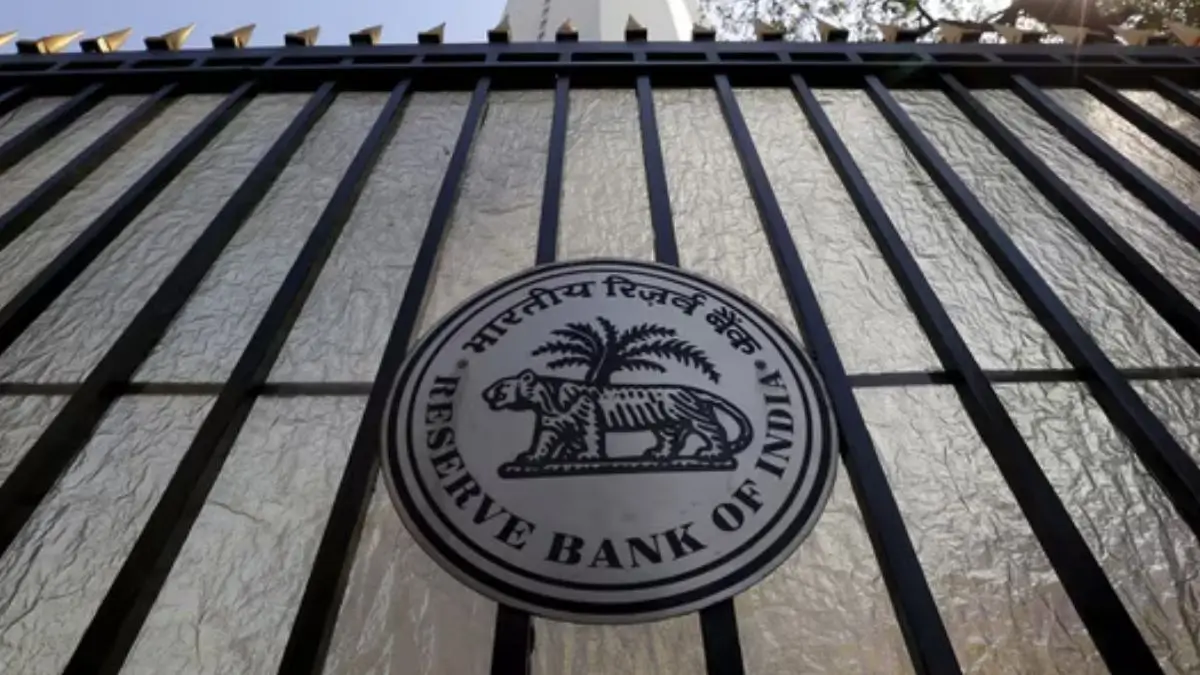
RBI revised Scale-Based Regulation Framework for NBFCs introduces stricter oversight for large NBFCs, automatic Upper Layer classification, governance reforms, and revised exposure norms. Learn key facts, importance, and exam-focused notes for UPSC, Banking, SSC, Railways, and State PSC exams.
Introduction
The Reserve Bank of India (RBI) has introduced significant changes to its Scale-Based Regulation (SBR) framework for Non-Banking Financial Companies (NBFCs), further strengthening regulatory oversight over large and systemically important financial institutions. The revised framework simplifies the identification of Upper Layer NBFCs, introduces stricter governance norms for bank-owned NBFCs, revises exposure limits, and enhances financial stability across the Indian financial system. These reforms are highly relevant for aspirants preparing for UPSC, State PSCs, Banking, SSC, Railways, Defence, Police, and other government examinations as they relate to India’s financial sector reforms and banking regulation.
Understanding NBFCs and Their Role
Non-Banking Financial Companies (NBFCs) are financial institutions that provide loans, investment products, leasing, hire purchase, and other financial services without holding a banking licence. Although they cannot accept demand deposits like commercial banks, NBFCs play a crucial role in extending credit to sectors that often remain underserved by traditional banks.
NBFCs contribute significantly to financial inclusion by serving MSMEs, rural borrowers, infrastructure projects, housing finance, and vehicle financing.
What is the Scale-Based Regulation Framework?
The Scale-Based Regulation (SBR) Framework was introduced by RBI to regulate NBFCs according to their size, complexity, interconnectedness, and systemic importance.
The framework classifies NBFCs into different regulatory layers:
- Base Layer
- Middle Layer
- Upper Layer
- Top Layer (reserved for exceptionally risky institutions if required)
Larger NBFCs face stricter regulatory requirements similar to banks because their failure could threaten financial stability.
Major Highlights of the Revised Framework
Simplified Identification of Upper Layer NBFCs
Under the revised framework, NBFCs with assets of ₹1 lakh crore or more will automatically qualify as Upper Layer entities based on audited financial statements. This replaces earlier, more complex evaluation methods.
Stricter Oversight for Bank-Owned NBFCs
Bank-owned NBFCs will now be subjected to tighter governance standards, ensuring better risk management, transparency, and accountability.
Revised Exposure Norms
The RBI has updated lending exposure norms to reduce concentration risks while allowing certain infrastructure finance companies greater operational flexibility under specified conditions.
Greater Focus on Financial Stability
The reforms seek to reduce systemic risks arising from large NBFCs whose operations have become increasingly interconnected with India’s banking sector.
Why RBI Introduced These Changes
India’s financial system has witnessed rapid growth in NBFCs over the past decade. Several NBFC failures highlighted weaknesses in governance, risk management, and liquidity planning.
The revised regulations aim to:
- Improve corporate governance
- Enhance transparency
- Protect depositors and investors
- Reduce systemic financial risks
- Align large NBFC regulations more closely with banking standards
These measures also strengthen investor confidence in India’s financial system.
Impact on the Financial Sector
The revised framework is expected to produce several positive outcomes.
Large NBFCs will adopt stronger governance structures.
Financial risks will be identified earlier.
Credit markets will become more resilient.
Banks and NBFCs will operate under more harmonised prudential norms.
Consumers and investors will benefit from greater confidence in regulated financial institutions.
Importance for Government Exam Aspirants
Questions on RBI regulations, banking reforms, financial institutions, and monetary governance are frequently asked in competitive examinations.
Students should remember:
- RBI regulates both banks and NBFCs.
- NBFCs cannot issue cheques drawn on themselves.
- The Scale-Based Regulation Framework categorises NBFCs according to systemic importance.
- Upper Layer NBFCs face stricter supervision.
- Financial stability remains one of RBI’s major regulatory objectives.
Conclusion
The revised Scale-Based Regulation Framework marks another important step in strengthening India’s financial architecture. By introducing tighter oversight of systemically important NBFCs while simplifying regulatory classification, the RBI aims to ensure long-term financial stability, better governance, and stronger protection for consumers and investors. Understanding these reforms is essential for aspirants preparing for competitive examinations, as banking regulation remains a frequently tested area in the General Awareness and Economy sections.

Why This News Is Important
Strengthening India’s Financial Stability
The RBI’s revised framework demonstrates India’s commitment to maintaining a resilient financial system. Since large NBFCs have become increasingly important in credit delivery, stronger regulation helps prevent financial crises arising from governance failures or excessive risk-taking.
High Relevance for Competitive Examinations
Banking reforms are a recurring topic in UPSC, State PSC, RBI Grade B, NABARD, IBPS, SBI PO, SSC, Railways, Defence, and Teaching examinations. Questions may focus on NBFCs, RBI functions, financial regulation, and monetary institutions.
Understanding Financial Sector Reforms
The revised Scale-Based Regulation framework reflects the RBI’s evolving approach to balancing financial innovation with effective supervision. Aspirants should understand how regulatory reforms contribute to economic stability, investor protection, and sustainable credit growth.
Historical Context
Rise of NBFCs in India
NBFCs expanded rapidly during the last two decades by providing credit to sectors where conventional banks had limited reach. They became major lenders in vehicle finance, housing finance, infrastructure, MSMEs, and consumer loans.
Need for Stronger Regulation
Following financial stress experienced by some major NBFCs, particularly after the liquidity crisis triggered by large institutional defaults, the RBI reviewed its regulatory approach. In 2021, it introduced the Scale-Based Regulation framework to regulate NBFCs according to their size and systemic importance. The latest revisions further simplify classification while tightening governance and prudential standards for large entities.
Key Takeaways from “RBI Tightens Oversight of NBFCs”
| S. No. | Key Takeaway |
|---|---|
| 1 | RBI has revised the Scale-Based Regulation framework for NBFCs. |
| 2 | NBFCs with assets of ₹1 lakh crore or more automatically qualify as Upper Layer entities. |
| 3 | Bank-owned NBFCs will face stricter governance and regulatory oversight. |
| 4 | The reforms aim to improve financial stability, transparency, and risk management. |
| 5 | The topic is highly important for UPSC, State PSC, Banking, SSC, Railways, Defence, Police, and other government examinations. |
Frequently Asked Questions (FAQs)
1. What is a Non-Banking Financial Company (NBFC)?
An NBFC is a financial institution registered under the Companies Act that provides financial services such as loans, investments, leasing, hire purchase, and asset financing but does not hold a banking licence. NBFCs cannot accept demand deposits like commercial banks.
2. What is the Scale-Based Regulation (SBR) Framework?
The Scale-Based Regulation (SBR) Framework is a regulatory system introduced by the Reserve Bank of India (RBI) to regulate NBFCs based on their size, risk profile, and systemic importance. It ensures that larger NBFCs are subject to stricter regulatory norms.
3. Into how many layers are NBFCs classified under the SBR Framework?
NBFCs are classified into four regulatory layers:
- Base Layer (BL)
- Middle Layer (ML)
- Upper Layer (UL)
- Top Layer (TL)
4. Which authority regulates NBFCs in India?
The Reserve Bank of India (RBI) is the primary regulator of NBFCs under the Reserve Bank of India Act, 1934.
5. What is the latest change announced by RBI under the revised SBR Framework?
The RBI has decided that NBFCs with assets of ₹1 lakh crore or more will automatically be classified as Upper Layer NBFCs. It has also strengthened governance standards and revised exposure norms for systemically important NBFCs.
6. Why has RBI tightened regulations for NBFCs?
The RBI aims to improve financial stability, strengthen corporate governance, reduce systemic risks, increase transparency, and protect investors and borrowers.
7. How are NBFCs different from commercial banks?
Unlike banks, NBFCs cannot accept demand deposits, issue cheques drawn on themselves, or participate directly in the payment and settlement system. However, they provide various lending and financial services.
8. Why are NBFCs important for the Indian economy?
NBFCs play a vital role in financial inclusion by providing credit to MSMEs, rural households, agriculture, infrastructure, housing, and vehicle financing, where traditional banks may have limited reach.
9. Which competitive examinations frequently ask questions about RBI and NBFCs?
Topics related to RBI, NBFCs, banking reforms, and financial regulation are important for UPSC, State PSCs, RBI Grade B, NABARD, IBPS PO/Clerk, SBI PO, SSC, Railways, Defence, Insurance, and other government examinations.
10. Which Act governs the functioning of NBFCs in India?
NBFCs are regulated under the Reserve Bank of India Act, 1934, along with various RBI regulations and circulars issued from time to time.
Some Important Current Affairs Links