







Raghav Chadha Rajya Sabha Committee appointment news explained with functions of Committee on Petitions, parliamentary committee system, historical background, MCQs, FAQs, and key takeaways for UPSC, SSC, Banking, Railways, Defence, and State PCS exams.
Raghav Chadha Appointed Chairman of Rajya Sabha Committee on Petitions
Major Parliamentary Responsibility Assigned to Raghav Chadha
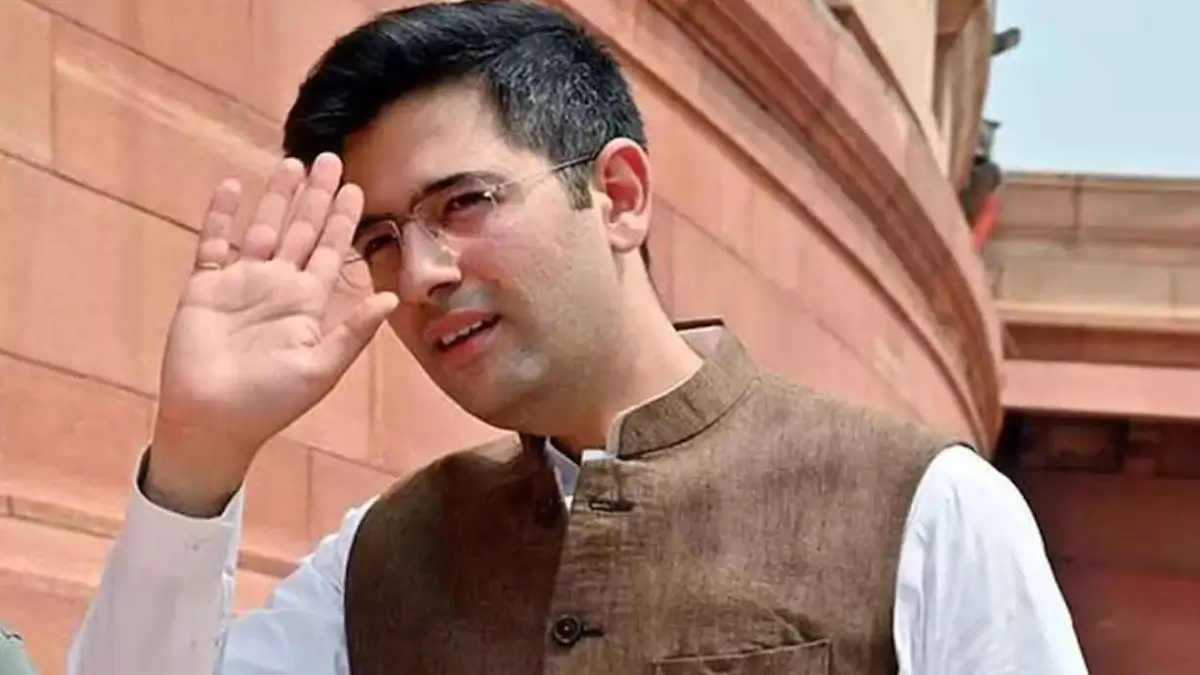
Raghav Chadha has been appointed as the Chairman of the Committee on Petitions of the Rajya Sabha, one of the important parliamentary committees of India. The appointment was made after the Rajya Sabha Secretariat reconstituted the committee under the leadership of Rajya Sabha Chairman C.P. Radhakrishnan. The committee became effective from May 20, 2026.
The development has attracted significant political and parliamentary attention because the Committee on Petitions acts as an important bridge between citizens and Parliament. Through this committee, ordinary citizens can raise grievances, submit petitions, and request parliamentary intervention on public issues.
Role of the Committee on Petitions
The Committee on Petitions is a Standing Committee of the Rajya Sabha constituted under Rule 147 of the Rules of Procedure and Conduct of Business in the Rajya Sabha. Its primary responsibility is to examine petitions presented or referred to the Council and suggest suitable action.
The committee studies public grievances related to governance, laws, public administration, and policy matters. It can seek evidence from officials, experts, and stakeholders before presenting recommendations to Parliament. Such committees improve accountability and strengthen democratic participation in governance.
Composition of the Committee
The reconstituted committee includes ten members from the Rajya Sabha besides the chairman. Some members include Harsh Mahajan, Gulam Ali, Shambhu Sharan Patel, Mayankkumar Nayak, Jebi Mather Hisham, and others.
The committee system in Parliament helps reduce the workload of the House and enables detailed examination of specific matters. Parliamentary committees are often described as the “mini-Parliament” because they conduct detailed discussions away from political disruptions in the House.
Political Significance of the Appointment
The appointment is politically significant because it comes shortly after Raghav Chadha’s shift from the Aam Aadmi Party (AAP) to the Bharatiya Janata Party (BJP), according to several reports.
Political analysts believe the appointment reflects the growing importance of young leaders in parliamentary functioning. Raghav Chadha has earlier been active in debates related to governance reforms, accountability, taxation, and electoral reforms in Parliament.
The move has also sparked discussions in political circles regarding parliamentary representation, party dynamics, and committee assignments in the Rajya Sabha.
Importance of Parliamentary Committees in Indian Democracy
Parliamentary committees play a crucial role in India’s democratic framework. These committees perform detailed scrutiny of bills, government policies, public grievances, and financial matters. Since parliamentary sessions are limited in duration, committees provide lawmakers with sufficient time to examine issues comprehensively.
The Committee on Petitions is particularly important because it allows direct public participation in legislative functioning. Citizens can communicate concerns to Parliament through petitions, thereby strengthening participatory democracy.
Examination Relevance for Competitive Exams
This development is important for students preparing for UPSC, State PCS, SSC, Banking, Railways, Defence, and teaching examinations. Questions may be asked about parliamentary committees, Rajya Sabha procedures, Standing Committees, constitutional governance, and citizen participation mechanisms.
Aspirants should remember that parliamentary committees improve legislative efficiency and accountability. Static portions related to Parliament are frequently asked in prelims and mains examinations.

Why This News is Important
Important for Polity and Governance Preparation
The appointment of Raghav Chadha as Chairman of the Rajya Sabha Committee on Petitions is important because parliamentary committees form a crucial part of Indian governance and legislative oversight. Questions related to parliamentary committees are commonly asked in UPSC Civil Services, State PSC, SSC CGL, banking, and railway examinations.
Students preparing for competitive exams must understand the structure, powers, and functions of parliamentary committees. The Committee on Petitions is especially relevant because it deals directly with public grievances and democratic participation.
Understanding the Role of Standing Committees
The news also highlights the importance of Standing Committees in Parliament. These committees ensure detailed examination of matters that cannot be fully discussed during parliamentary sessions. They improve transparency, efficiency, and accountability in governance.
Aspirants should note that the Rajya Sabha Committee on Petitions functions under Rule 147 of the Rules of Procedure and Conduct of Business in the Rajya Sabha. Such factual information is highly useful for prelims examinations.
Significance in Current Political Developments
The appointment has political importance as well because it reflects changing political alignments and leadership responsibilities within Parliament. Understanding current political developments helps students connect static polity concepts with real-world governance practices.
The news may also help aspirants in essay writing, interview discussions, and mains answers related to parliamentary reforms, citizen participation, and democratic accountability.
Historical Context
Origin of the Committee on Petitions
The Committee on Petitions is among the oldest parliamentary committees in India. Its origin dates back to September 15, 1921, during the British period, when the Council of State established a Committee on Public Petitions with powers to collect evidence and examine citizen concerns.
Later, in 1933, the committee received its present name — Committee on Petitions.
Development After Independence
After India’s independence, the Rajya Sabha Committee on Petitions was formally constituted in 1952 with a chairman and four members. In 1964, the membership was increased to ten members, which continues today.
The committee evolved as an institutional mechanism to strengthen public participation in parliamentary democracy.
Role in Democratic Accountability
Over the decades, parliamentary committees have become essential for ensuring transparency and accountability in governance. The Committee on Petitions enables citizens to directly approach Parliament regarding public grievances and policy concerns.
This system reflects the democratic principle that Parliament remains accountable to the people beyond elections.
Key Takeaways from This News
| S.No. | Key Takeaway |
|---|---|
| 1 | Raghav Chadha has been appointed Chairman of the Rajya Sabha Committee on Petitions. |
| 2 | The Committee on Petitions is a Standing Committee constituted under Rule 147 of Rajya Sabha procedures. |
| 3 | The committee examines public grievances and petitions submitted by citizens. |
| 4 | The committee originated in 1921 during the British period and received its present name in 1933. |
| 5 | Parliamentary committees strengthen legislative scrutiny, accountability, and participatory democracy in India. |
FAQs Related to Raghav Chadha Appointment News
1. Who has been appointed as the Chairman of the Rajya Sabha Committee on Petitions?
Raghav Chadha has been appointed as the Chairman of the Rajya Sabha Committee on Petitions.
2. What is the Committee on Petitions?
The Committee on Petitions is a parliamentary committee of the Rajya Sabha that examines petitions and public grievances submitted by citizens.
3. Under which rule is the Committee on Petitions constituted?
The committee is constituted under Rule 147 of the Rules of Procedure and Conduct of Business in the Rajya Sabha.
4. What is the main function of the Committee on Petitions?
Its main function is to examine public petitions, hear grievances, and recommend suitable action to Parliament.
5. Why are parliamentary committees important?
Parliamentary committees help in detailed scrutiny of laws, policies, and governance matters. They improve accountability and legislative efficiency.
6. How many members are there in the Rajya Sabha Committee on Petitions?
The committee consists of ten members along with the chairman.
7. When was the Committee on Petitions first established?
The committee was originally established in 1921 during the British period.
8. Why is this news important for competitive exams?
This news is important because questions related to parliamentary committees, Rajya Sabha procedures, and Indian polity are frequently asked in UPSC, SSC, Banking, Railways, Defence, and State PCS examinations.
9. Which House of Parliament does the Committee on Petitions belong to?
The committee belongs to the Rajya Sabha, the Upper House of Parliament.
10. What is the significance of petitions in a democracy?
Petitions provide citizens with a direct mechanism to communicate grievances and concerns to Parliament, thereby strengthening participatory democracy.
Some Important Current Affairs Links