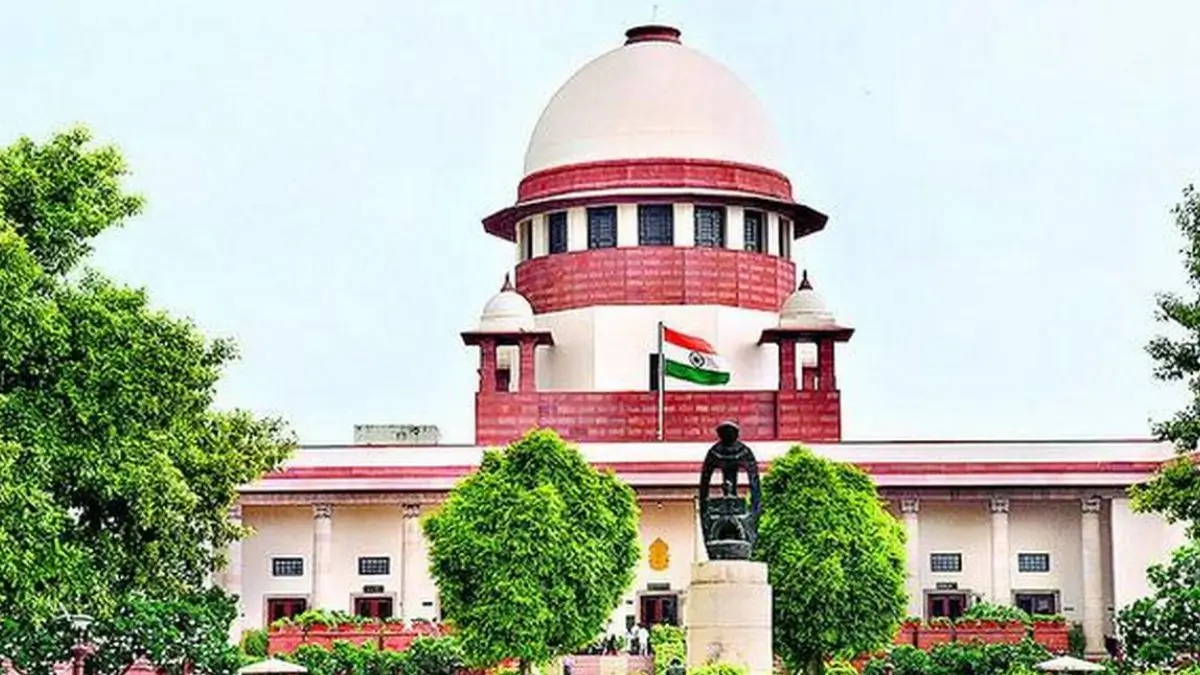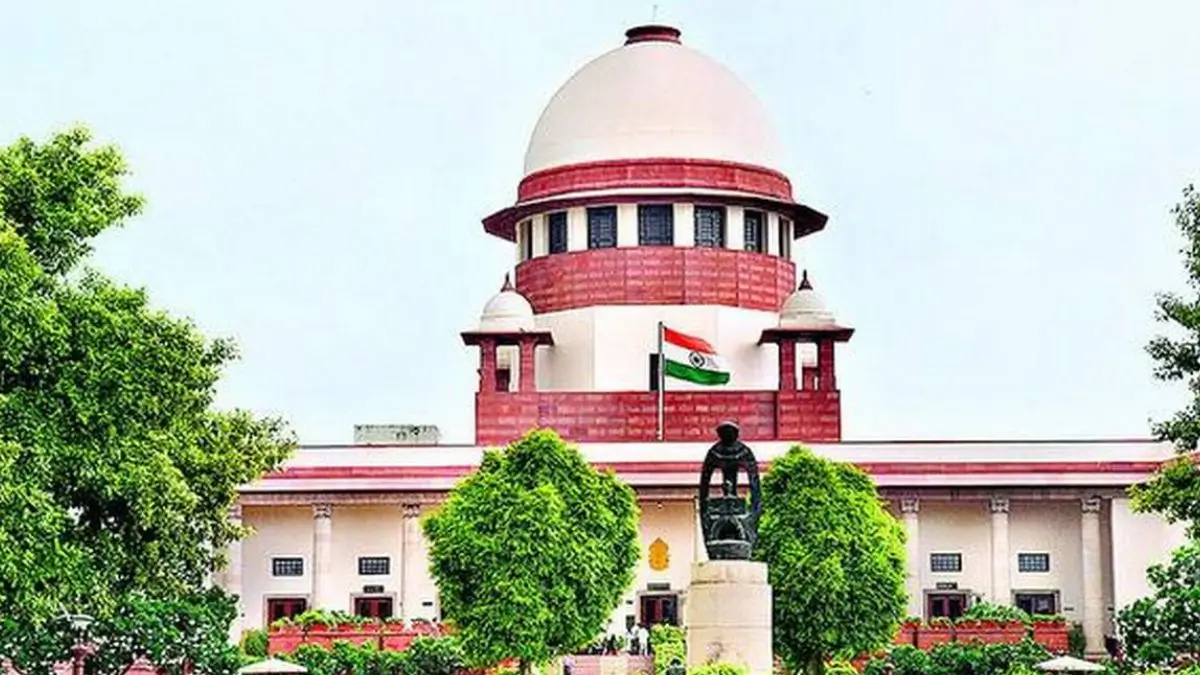







Ladakh High Court bench 2026 gets legal backing after President Droupadi Murmu promulgates a new Regulation enabling High Court sittings in Ladakh.
President Promulgates Regulation for High Court Sittings in Ladakh
President Droupadi Murmu has promulgated a new regulation enabling the High Court of Jammu and Kashmir and Ladakh to hold sittings within the Union Territory of Ladakh. The development marks an important step towards improving access to higher judicial remedies for people living in the geographically remote and challenging region. The regulation was promulgated on August 27, 2026, and was published in the Gazette of India Extraordinary on the same day.
New Regulation Creates Legal Framework
The new law is titled the Union Territory of Ladakh (Sitting of Bench of the High Court of Jammu and Kashmir, and Ladakh in Ladakh) Regulation, 2026. It provides the legal framework for the sitting of a Bench of the common High Court within Ladakh. The Regulation was promulgated under Article 240 of the Constitution, read with Section 58(2) of the Jammu and Kashmir Reorganisation Act, 2019.
Chief Justice Can Designate Places for High Court Sittings
Under the Regulation, the Judges and Division Courts of the High Court may sit at a place within Ladakh as appointed by the Chief Justice, with the approval of the Lieutenant Governor of Ladakh. This provision is significant because Ladakh’s difficult terrain and remote settlements have historically made physical access to higher judicial institutions challenging for many residents.
Principal Seat of the Common High Court Remains Unchanged
The Regulation does not change the principal seat of the common High Court. The principal seat will remain at the same location where it was situated before the Regulation came into force. However, the new legal arrangement allows additional sittings of the High Court in Ladakh, thereby bringing judicial services closer to the people of the Union Territory.
Chief Justice Retains Discretion Over Cases
The Chief Justice of the High Court retains the authority to direct that any case or class of cases arising in Ladakh may be heard at Srinagar or Jammu. Thus, the Regulation provides flexibility in judicial administration while also allowing High Court sittings to be organised within Ladakh when appropriate.
Union Cabinet Had Earlier Approved the Proposal
The development followed the Union Cabinet’s decision of August 20, 2026, which approved the proposal to enable the sitting of a Bench of the High Court in Ladakh. The government stated that the decision would significantly improve access to justice, particularly for citizens living in remote areas of the Union Territory. The formal promulgation of the Regulation came within a week of the Cabinet decision.
Significance for People of Ladakh
The availability of High Court sittings in Ladakh is expected to reduce the time, travel and financial burden associated with approaching higher courts outside the region. For a geographically difficult and sparsely populated Union Territory, the measure is expected to make constitutional and legal remedies more accessible to litigants, advocates and other stakeholders.
Regulation Will Come Into Force Through Official Notification
The Regulation extends to the entire Union Territory of Ladakh. It will come into force on a date appointed by the Administrator of Ladakh through a notification in the Official Gazette. Therefore, the President’s promulgation provides the legal basis for High Court sittings in Ladakh, while the operational commencement will follow the prescribed notification process.

Why This News is Important
Important for Indian Polity and Judiciary
This development is highly relevant for competitive examinations because it combines several important areas of Indian Polity and the Indian judicial system. Aspirants should understand the constitutional provisions governing Union Territories, the powers of the President and the organisation of High Courts in India.
Article 240 Becomes an Important Exam Point
The Regulation was promulgated under Article 240 of the Constitution, making this constitutional provision especially important for prelims and objective examinations. Article 240 empowers the President to make regulations for specified Union Territories, subject to the constitutional framework.
Jammu and Kashmir Reorganisation Act Is Relevant
The news is also connected with the Jammu and Kashmir Reorganisation Act, 2019, which reorganised the former state of Jammu and Kashmir into the Union Territories of Jammu and Kashmir and Ladakh. Ladakh became a separate Union Territory while the High Court of Jammu and Kashmir and Ladakh continued as the common High Court.
Access to Justice Is a Key Governance Issue
The decision demonstrates the importance of physical access to the justice delivery system. For remote and geographically difficult regions, legal rights may be difficult to exercise if judicial institutions are located far away. High Court sittings within Ladakh are therefore important from the perspective of access to justice and citizen-centric governance.
Important for Multiple Government Examinations
Questions based on this development may appear in UPSC, State PSC, SSC, banking, railway, defence and other government examinations. Candidates should remember the name of the Regulation, the date of the Union Cabinet decision, Article 240, the Jammu and Kashmir Reorganisation Act, 2019, and the role of the Chief Justice and Lieutenant Governor in the new arrangement.
Historical Context and Background
Reorganisation of Jammu and Kashmir in 2019
The Jammu and Kashmir Reorganisation Act, 2019, reorganised the former state of Jammu and Kashmir into two Union Territories—Jammu and Kashmir and Ladakh. Ladakh became a separate Union Territory without a legislature.
Common High Court Arrangement
After the reorganisation, Ladakh continued to share the High Court of Jammu and Kashmir and Ladakh. However, the geographical distance and difficult terrain created challenges for residents seeking access to higher judicial remedies.
Long-Standing Demand for Better Judicial Access
The establishment of High Court sittings in Ladakh has been a significant aspiration for improving judicial access in the region. The Union Cabinet approved the proposal on August 20, 2026, and the President promulgated the relevant Regulation on August 27, 2026. The measure is expected to strengthen Ladakh’s judicial infrastructure while maintaining the existing common High Court framework.
Key Takeaways from Ladakh High Court Bench
| S. No. | Key Takeaway |
|---|---|
| 1 | President Droupadi Murmu promulgated the Union Territory of Ladakh (Sitting of Bench of the High Court of Jammu and Kashmir, and Ladakh in Ladakh) Regulation, 2026. |
| 2 | The Regulation was promulgated on August 27, 2026, after the Union Cabinet approved the proposal on August 20, 2026. |
| 3 | The Regulation was promulgated under Article 240 of the Constitution, read with Section 58(2) of the Jammu and Kashmir Reorganisation Act, 2019. |
| 4 | The Chief Justice may arrange High Court sittings in Ladakh with the approval of the Lieutenant Governor of Ladakh. |
| 5 | The move aims to improve access to justice and reduce travel, time and financial difficulties for people seeking higher judicial remedies in Ladakh. |
Frequently Asked Questions (FAQs)
1. What is the latest development regarding the High Court in Ladakh?
President Droupadi Murmu has promulgated the Union Territory of Ladakh (Sitting of Bench of the High Court of Jammu and Kashmir, and Ladakh in Ladakh) Regulation, 2026, providing a legal framework for High Court sittings within Ladakh.
2. When was the Regulation for High Court sittings in Ladakh promulgated?
The Regulation was promulgated on August 27, 2026.
3. Under which Article of the Constitution was the Regulation promulgated?
The Regulation was promulgated under Article 240 of the Constitution of India.
4. Which Act is also associated with the new Regulation?
The Regulation was promulgated under Article 240, read with Section 58(2) of the Jammu and Kashmir Reorganisation Act, 2019.
5. Which High Court will have sittings in Ladakh?
The High Court of Jammu and Kashmir and Ladakh will be able to hold sittings within the Union Territory of Ladakh.
6. Who can appoint the place for High Court sittings in Ladakh?
The Chief Justice of the High Court, with the approval of the Lieutenant Governor of Ladakh, can appoint the place where Judges and Division Courts will sit in Ladakh.
7. Does the Regulation shift the principal seat of the High Court?
No. The Regulation does not alter the existing principal seat of the common High Court. It enables High Court sittings to be conducted within Ladakh.
8. Why is a High Court Bench in Ladakh important?
It is expected to improve access to higher judicial remedies for residents of Ladakh and reduce the difficulties associated with travelling long distances to access the High Court.
9. When did Ladakh become a separate Union Territory?
Ladakh became a separate Union Territory on October 31, 2019, following the implementation of the Jammu and Kashmir Reorganisation Act, 2019.
10. Does Ladakh have its own separate High Court?
No. Ladakh continues to come under the High Court of Jammu and Kashmir and Ladakh, which is the common High Court for the two Union Territories.
Some Important Current Affairs Links