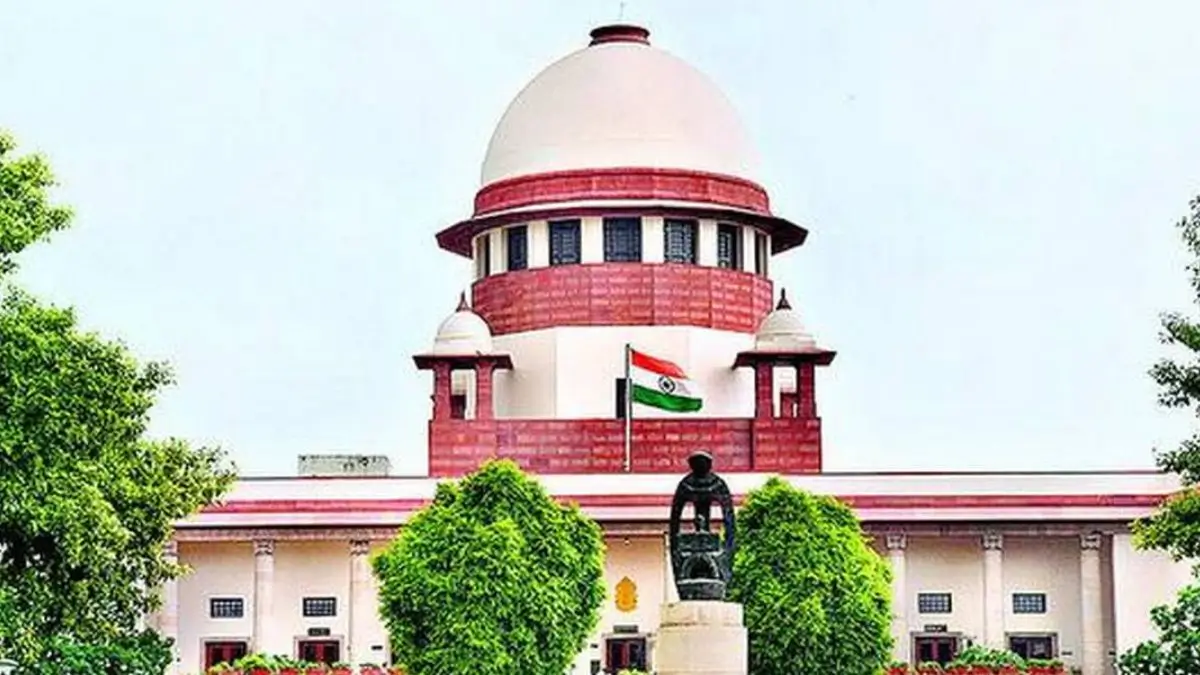









Ladakh High Court bench approved by the Union Cabinet to improve access to justice. Know its significance, constitutional provisions, history and key exam facts.
Cabinet Approval for a New High Court Bench
The Union Cabinet has approved the establishment of a bench of the High Court of Jammu and Kashmir and Ladakh in the Union Territory of Ladakh. The important decision was taken to improve access to justice for people living in the remote and geographically challenging areas of Ladakh. The decision was announced on August 20, 2026, and represents a significant development in India’s judicial and administrative framework.
Until now, the High Court of Jammu and Kashmir and Ladakh functioned through its existing judicial wings in Jammu and Srinagar. People from Ladakh who needed to approach the High Court often had to undertake long and difficult journeys outside the Union Territory. The approval of a High Court bench in Ladakh is expected to reduce these geographical difficulties and make judicial services more accessible to local residents.
Improving Access to Justice in Remote Areas
Ladakh is a high-altitude region with difficult terrain and widely scattered settlements. Harsh weather conditions and geographical distances can make travel to Jammu or Srinagar difficult, particularly for litigants, lawyers and people seeking urgent judicial remedies. The establishment of the Jammu and Kashmir High Court bench in Ladakh is therefore expected to bring the justice delivery system closer to the people.
A local bench can reduce travel time, expenses and other difficulties associated with approaching the High Court. The decision reflects the broader principle of access to justice, under which citizens should have a reasonable and practical opportunity to approach courts for the protection of their legal and constitutional rights.
Significance of the Union Cabinet Decision
The decision is important because Ladakh is a Union Territory that shares a common High Court with the Union Territory of Jammu and Kashmir. The creation of a bench in Ladakh will strengthen the judicial infrastructure available to the region while retaining the institutional framework of the common High Court.
The move is also significant from the perspective of constitutional governance. Judicial institutions play an important role in protecting fundamental rights, resolving disputes and ensuring that administrative actions remain subject to the rule of law. A High Court bench located closer to the people can improve the practical accessibility of these institutions.
Benefits for Residents and Legal Administration
The new judicial bench is expected to benefit residents by reducing the need for long-distance travel for High Court-related matters. This could be particularly important for people from remote areas who face logistical and financial difficulties in reaching existing High Court locations.
The decision may also strengthen the overall administration of justice in Ladakh. Better physical access to the High Court can help litigants and legal professionals participate more effectively in judicial proceedings. It can also support faster and more convenient access to legal remedies in cases involving civil, criminal and constitutional matters.
Important Constitutional and Polity Perspective
For government examination aspirants, this development is relevant to the study of the Indian judiciary, Union Territories and the constitutional structure of High Courts. Under Article 214 of the Constitution, there shall be a High Court for each State. Parliament also has the authority under Article 231 to establish a common High Court for two or more States or for two or more States and a Union Territory.
The High Court of Jammu and Kashmir and Ladakh is the common High Court serving the two Union Territories. The approval of a bench in Ladakh demonstrates how the judicial system can establish institutional arrangements to meet regional requirements and improve access to justice.
A Major Development in Ladakh’s Institutional Framework
The Cabinet approval is part of the continuing development of Ladakh’s administrative and institutional framework following its reorganisation as a separate Union Territory in 2019. As governance structures evolve, the strengthening of judicial infrastructure remains an important aspect of effective public administration.
The establishment of the Jammu and Kashmir High Court bench in Ladakh is expected to provide citizens with easier access to higher judicial institutions. It also highlights the importance of geographically accessible courts in a country with diverse terrain and large regional variations.
For competitive examination aspirants, the news is especially important for questions related to the Union Cabinet, High Courts, Union Territories, judicial access and the reorganisation of Jammu and Kashmir and Ladakh.

Why this News is Important
Important for Indian Polity and Judiciary
This news is highly relevant for government examinations because it connects several important topics of Indian Polity. Aspirants should understand the constitutional role of High Courts, the judicial structure applicable to Union Territories and the concept of a common High Court. Questions may also be asked about the relationship between Jammu and Kashmir and Ladakh in the context of the common High Court.
Important for Current Affairs and Government Decisions
The decision was taken by the Union Cabinet and is therefore important for current affairs questions related to major government decisions. Candidates preparing for UPSC, State PCS, SSC, banking, railway and other competitive examinations should remember that the Cabinet approved the establishment of a High Court bench in Ladakh to improve access to justice.
Important for Access to Justice
The decision demonstrates the importance of ensuring that judicial institutions are accessible to citizens living in geographically difficult and remote regions. Ladakh’s terrain and distance from existing High Court locations made travel difficult for many people. A local bench is expected to reduce this burden and bring judicial services closer to citizens.
Important for Jammu and Kashmir Reorganisation
The development is also linked to the reorganisation of the former State of Jammu and Kashmir in 2019. Following the reorganisation, Jammu and Kashmir and Ladakh became separate Union Territories while continuing to share a common High Court. The proposed bench in Ladakh represents an important institutional development in the governance and judicial administration of the Union Territory.
Historical Context: Jammu and Kashmir and Ladakh Judicial Framework
Reorganisation of Jammu and Kashmir in 2019
The historical background of this development is closely connected with the Jammu and Kashmir Reorganisation Act, 2019. Under this reorganisation, the former State of Jammu and Kashmir was reorganised into two Union Territories: the Union Territory of Jammu and Kashmir and the Union Territory of Ladakh.
Common High Court for Two Union Territories
Following the reorganisation, the High Court continued to serve both Jammu and Kashmir and Ladakh. The institution became known as the High Court of Jammu and Kashmir and Ladakh. Its existing judicial wings in Jammu and Srinagar served as the major locations for High Court functioning.
Growing Need for Better Judicial Access in Ladakh
Ladakh’s geographical conditions created practical challenges for citizens seeking access to the High Court. Long distances, difficult terrain and harsh climatic conditions could make travel to Jammu or Srinagar expensive and time-consuming. The demand for stronger judicial infrastructure within Ladakh therefore gained greater importance.
Union Cabinet Approval in 2026
On August 20, 2026, the Union Cabinet approved the establishment of a High Court bench in Ladakh. The decision is aimed at strengthening access to justice and improving the delivery of judicial services for the people of the Union Territory.
Key Takeaways from the Ladakh High Court Bench Decision
| S. No. | Key Takeaway |
|---|---|
| 1 | The Union Cabinet approved the establishment of a bench of the High Court of Jammu and Kashmir and Ladakh in Ladakh. |
| 2 | The decision was announced on August 20, 2026. |
| 3 | The main objective is to improve access to justice for people living in remote and geographically difficult areas of Ladakh. |
| 4 | The High Court of Jammu and Kashmir and Ladakh is a common High Court serving the Union Territories of Jammu and Kashmir and Ladakh. |
| 5 | The new bench is expected to reduce the need for Ladakh residents to travel long distances to Jammu or Srinagar for High Court-related matters. |
Frequently Asked Questions
1. What did the Union Cabinet approve regarding Ladakh?
The Union Cabinet approved the establishment of a bench of the High Court of Jammu and Kashmir and Ladakh in the Union Territory of Ladakh. The decision aims to improve access to justice for residents of the region.
2. Which High Court will the new Ladakh bench be associated with?
The new bench will be associated with the High Court of Jammu and Kashmir and Ladakh, which serves both the Union Territories of Jammu and Kashmir and Ladakh.
3. Why is a High Court bench important for Ladakh?
Ladakh has difficult terrain, long distances and harsh weather conditions. A local High Court bench can reduce the need for residents to travel to Jammu or Srinagar for High Court-related matters.
4. When did the Union Cabinet approve the Ladakh High Court bench?
According to the news report, the Union Cabinet approved the establishment of the High Court bench in Ladakh on August 20, 2026.
5. Which two Union Territories share the High Court of Jammu and Kashmir and Ladakh?
The Union Territories of Jammu and Kashmir and Ladakh share the High Court of Jammu and Kashmir and Ladakh.
6. Which constitutional article provides for a High Court for each State?
Article 214 of the Constitution of India provides that there shall be a High Court for each State.
7. Which constitutional article deals with a common High Court?
Article 231 empowers Parliament to establish a common High Court for two or more States or for two or more States and a Union Territory.
8. When was Ladakh established as a separate Union Territory?
Ladakh became a separate Union Territory following the implementation of the Jammu and Kashmir Reorganisation Act, 2019.
9. What is the main objective of establishing a High Court bench in Ladakh?
The primary objective is to improve access to justice and make High Court services more accessible to residents of Ladakh.
10. Why is this news important for government exam aspirants?
This development is important for questions related to the Indian judiciary, Union Cabinet decisions, Union Territories, High Courts, constitutional provisions and the Jammu and Kashmir Reorganisation Act, 2019.
Some Important Current Affairs Links