






Supreme Court judicial service practice rule: The Supreme Court has reduced the Civil Judge (Junior Division) practice requirement from three years to one year and introduced a new training and clerkship framework.
Supreme Court Modifies Entry Rules for Judicial Service
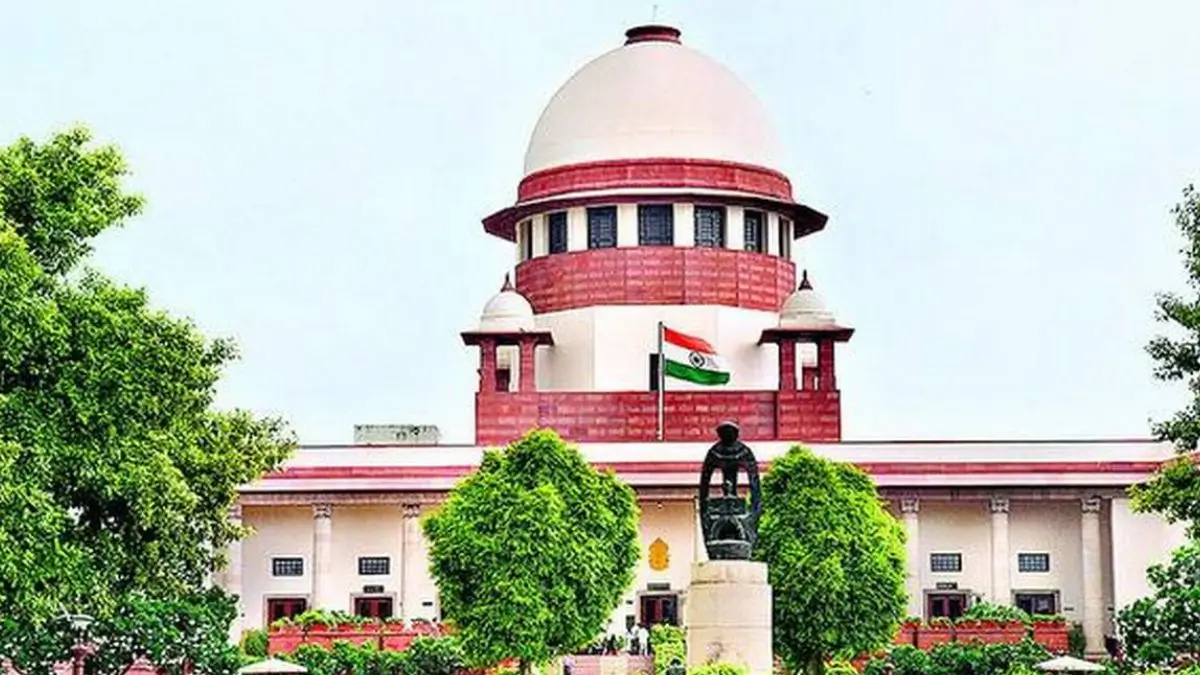
The Supreme Court of India has introduced a significant change in the eligibility framework for entry-level judicial service examinations. The Court reduced the mandatory legal practice requirement for candidates seeking appointment as Civil Judges (Junior Division) from three years to one year. The decision was delivered on August 21, 2026, while considering review petitions related to the earlier judgment that had restored the three-year practice requirement.
The revised framework is important for law graduates, judicial service aspirants and candidates preparing for examinations related to the Indian judiciary. The Supreme Court retained the principle that practical exposure to the legal profession is valuable before entering the judiciary. However, it modified the duration of the mandatory practice requirement to reduce difficulties faced by young law graduates.
One-Year Practice Requirement for Future Recruitment
Under the new arrangement, candidates applying for entry-level judicial service examinations notified after March 31, 2027, will generally require one year of legal practice before appearing for the examination.
This replaces the earlier requirement of three years of practice. The Supreme Court concluded that practical legal experience remains important because judicial officers deal with matters involving life, liberty, property and personal rights. At the same time, the Court considered that a shorter period of prior practice, combined with structured institutional training, could provide a more balanced pathway into the lower judiciary.
The revised system therefore seeks to maintain practical exposure while making the entry process more accessible to young law graduates.
Transitional Relief for Law Graduates
The Supreme Court also provided important transitional relief. Candidates appearing in judicial service examinations notified during the transition period from May 20, 2025, to March 31, 2027, can apply without fulfilling the prior practice requirement.
This provision is particularly important because the earlier restoration of the three-year practice rule could have affected law graduates who had planned their careers under the earlier recruitment framework. The transitional arrangement prevents sudden disruption for candidates who had already completed their law degrees or were preparing for judicial service examinations.
However, candidates selected during this transition will not immediately begin functioning as regular judicial officers. They will first undergo the prescribed training and clerkship process.
Two-Year Training and Clerkship Framework
The new judicial recruitment framework places greater emphasis on structured post-selection preparation. Selected candidates will undergo one year of intensive training at the relevant State Judicial Academy.
After completing the training period, candidates will also undergo one year of structured clerkship. The clerkship is designed to provide practical exposure to the functioning of courts and the judicial process. Reports on the revised framework indicate that this period will involve supervised exposure at different levels of the judiciary.
Thus, the new model combines limited prior legal practice with institutional training and supervised judicial exposure. The objective is to ensure that candidates entering the lower judiciary possess both theoretical legal knowledge and practical understanding of court procedures.
Significance for Judicial Service Aspirants
The decision has major implications for aspirants preparing for State Judicial Service examinations. The reduction of the practice requirement from three years to one year makes the judicial career pathway more accessible for young advocates.
For candidates covered by the transition period, the removal of the immediate prior-practice requirement offers additional relief. At the same time, aspirants must understand that selection in the judicial service examination will be followed by a substantial period of training and clerkship before they independently perform judicial responsibilities.
For government examination aspirants, this development is important under Indian Polity, Judiciary, Constitutional Law, Legal Current Affairs and Governance. It also highlights the role of the Supreme Court in interpreting and shaping institutional requirements related to the subordinate judiciary.
Supreme Court Seeks Balance Between Access and Experience
The revised decision does not completely abandon the requirement of practical experience. Instead, it adopts a balanced approach. The Supreme Court accepted the importance of exposure to the legal profession but considered that three years of prior practice could create hardship for young law graduates.
The new arrangement reflects a shift from a longer pre-entry experience requirement towards a combination of limited legal practice and structured post-selection training. The Court also indicated that the effectiveness of the revised framework can be assessed after it operates for a reasonable period.
The decision is therefore a major development in judicial service recruitment and is expected to remain an important topic for judicial service examinations, UPSC, State PSC examinations and other competitive examinations.

Why This News is Important
Major Change in Judicial Recruitment
The Supreme Court’s decision is important because it changes the eligibility pathway for entry-level judicial service. Reducing the prior legal practice requirement from three years to one year can significantly affect law graduates and young advocates who aspire to become Civil Judges (Junior Division). The decision modifies the framework established by the Supreme Court’s earlier 2025 ruling.
Relief for Young Law Graduates
The transitional relaxation is particularly important for recent law graduates. Candidates covered by judicial service notifications issued during the specified transition period can apply without completing the earlier mandatory practice requirement. This prevents abrupt disruption to candidates who had prepared for judicial service examinations under a different eligibility framework.
Greater Focus on Judicial Training
The decision also demonstrates the increasing importance of institutional training in judicial recruitment. Instead of relying only on several years of prior legal practice, the revised framework combines shorter practical experience with structured training at State Judicial Academies and supervised clerkship.
Important for Competitive Examinations
For competitive examination aspirants, this news is relevant to Indian Polity, the judicial system, the structure of the subordinate judiciary and recent developments involving the Supreme Court. Questions may be asked about the reduction of the practice requirement, the transition period, the Civil Judge (Junior Division) post and the training requirements.
Example of Judicial Institutional Reform
The ruling also illustrates how the judiciary can modify recruitment-related norms through judicial decisions. The issue demonstrates the need to balance professional experience, merit, accessibility and institutional training while ensuring that judicial officers are adequately prepared for their responsibilities.
Historical Context: Background of the Judicial Service Practice Requirement
Earlier Position on Fresh Law Graduates
For many years, the entry-level judicial service system allowed eligible law graduates to compete for Civil Judge and similar entry-level judicial posts without a mandatory requirement of prior practice as an advocate. This enabled many young law graduates to enter the subordinate judiciary soon after completing their legal education.
Supreme Court Restores Practice Requirement in 2025
In May 2025, the Supreme Court restored the requirement of prior legal practice for candidates seeking entry into judicial service. The Court fixed a minimum three-year practice requirement for appointment through direct recruitment to the post of Civil Judge (Junior Division).
The rationale was that candidates should have practical familiarity with court functioning, legal procedures and the relationship between the Bench and the Bar before assuming judicial responsibilities.
Concerns Over the Three-Year Rule
The three-year requirement generated concerns among law graduates and aspiring judicial officers. Critics argued that the requirement could delay entry into judicial service and create difficulties for young graduates who had planned to take judicial service examinations soon after completing their legal education.
Review petitions were subsequently filed, leading to reconsideration of the manner in which the practice requirement should operate.
Revised Framework in 2026
In August 2026, the Supreme Court retained the principle that some practical experience is desirable but reduced the mandatory practice period from three years to one year. It also created a transitional arrangement and introduced an expanded training and structured clerkship framework for selected candidates.
This evolution shows how judicial service recruitment in India continues to balance the need for practical legal experience with the objective of attracting capable young candidates to the judiciary.
Key Takeaways from This News
| S. No. | Key Takeaway |
|---|---|
| 1 | The Supreme Court reduced the prior legal practice requirement for entry-level judicial service from three years to one year. |
| 2 | The decision mainly concerns recruitment to the post of Civil Judge (Junior Division). |
| 3 | Candidates covered by the transition period from May 20, 2025, to March 31, 2027, can apply without fulfilling the prior practice requirement. |
| 4 | Selected candidates will undergo one year of intensive training followed by one year of structured clerkship. |
| 5 | The revised framework seeks to balance practical legal experience with easier access to judicial service for young law graduates. |
Frequently Asked Questions (FAQs)
1. What is the latest Supreme Court decision on judicial service practice requirements?
The Supreme Court has reduced the mandatory prior legal practice requirement for direct recruitment to the post of Civil Judge (Junior Division) from three years to one year. The decision was delivered on August 21, 2026.
2. For which judicial post does the new practice requirement apply?
The revised requirement applies to candidates seeking direct recruitment to the Civil Judge (Junior Division) post through entry-level judicial service examinations.
3. What was the earlier practice requirement?
The Supreme Court’s May 2025 judgment had restored a requirement of three years of practice at the Bar for candidates seeking direct recruitment as Civil Judge (Junior Division). The August 2026 judgment modified that requirement to one year.
4. When will one year of actual practice become mandatory?
For recruitment notifications issued on or after April 1, 2027, candidates will need at least one year of actual legal practice before appearing for the Civil Judge (Junior Division) examination.
5. Can fresh law graduates apply during the transition period?
Yes. For recruitment notifications covered by the transitional period up to March 31, 2027, law graduates can apply without completing the earlier three-year practice requirement, subject to the Supreme Court’s prescribed conditions.
6. What happens to candidates selected during the transitional period?
Selected candidates will initially be appointed as Trainee Judicial Officers. They will undergo one year of intensive training at the concerned State Judicial Academy, followed by one year of structured law clerkship.
7. How long will the judicial academy training last?
The institutional training at the State Judicial Academy will last one year. The training period is intended to provide candidates with practical and judicial exposure before they assume regular judicial responsibilities.
8. What is the duration of the structured law clerkship?
The structured law clerkship will also last one year. It consists of six months under the district judiciary and six months under a sitting judge of the concerned High Court.
9. What is the purpose of the new training and clerkship system?
The objective is to combine legal knowledge with practical courtroom exposure. The Supreme Court’s framework seeks to ensure that young judicial officers understand court procedures, courtroom functioning, legal reasoning and judicial responsibilities before independently exercising judicial functions.
10. Which case is associated with the Supreme Court’s decision?
The proceedings include Bhumika Trust v. Union of India and connected cases, concerning the eligibility requirement for direct recruitment to the Civil Judge (Junior Division) post.
Some Important Current Affairs Links