








National Handloom Day 2024 – A Tribute to India’s Rich Textile Heritage
Celebrating National Handloom Day
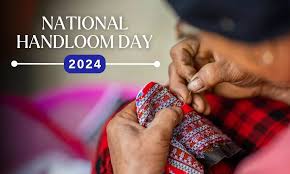
On August 7, 2024, India celebrates National Handloom Day, a significant event dedicated to honoring the country’s rich and diverse textile heritage. This day is marked by a series of events and activities aimed at recognizing the contributions of handloom weavers and promoting the preservation of traditional weaving techniques. National Handloom Day not only highlights the artistry involved in handloom weaving but also emphasizes the role of these crafts in supporting rural livelihoods and preserving cultural heritage.
Importance of Handloom Industry in India
The handloom industry is a crucial component of India’s economy, providing employment to millions of weavers across the country. This sector is known for its unique and intricate designs, which reflect regional traditions and craftsmanship. National Handloom Day serves as a reminder of the importance of this industry in sustaining cultural identity and promoting economic growth. By celebrating this day, the government aims to boost awareness and appreciation for handloom products, encouraging consumers to support these traditional crafts.
Government Initiatives and Support
The Indian government has implemented several initiatives to support and promote the handloom sector. These include financial assistance schemes, training programs for weavers, and marketing support to enhance the visibility of handloom products. On National Handloom Day 2024, the government announced new policies to further support the industry, including subsidies for raw materials and grants for modernization of weaving techniques. These measures are designed to improve the quality of handloom products and ensure the sustainability of the industry.
Challenges Facing the Handloom Sector
Despite its significance, the handloom sector faces several challenges, including competition from machine-made textiles, lack of modern infrastructure, and limited access to markets. National Handloom Day provides an opportunity to address these issues by discussing strategies to overcome these challenges and ensuring that the handloom industry continues to thrive. Efforts to modernize the sector and improve working conditions for weavers are crucial for its long-term success.
Why This News is Important
Preservation of Cultural Heritage
National Handloom Day is a celebration of India’s rich textile heritage, which is integral to the nation’s cultural identity. By highlighting the importance of handloom weaving, this day helps in preserving traditional crafts and ensuring that they remain an essential part of Indian culture. It fosters appreciation for the intricate designs and techniques that have been passed down through generations, keeping the cultural heritage alive.
Economic Impact
The handloom industry plays a significant role in the Indian economy, providing employment to a large segment of the population, particularly in rural areas. Recognizing and supporting this sector can lead to economic growth by enhancing the livelihoods of weavers and promoting the sale of handloom products. National Handloom Day underscores the need for continued support and investment in this industry to sustain its economic benefits.
Historical Context
Origins of National Handloom Day
National Handloom Day was first observed on August 7, 2015, marking the anniversary of the Swadeshi Movement, which played a pivotal role in promoting indigenous industries and crafts. The day was established to honor the contributions of handloom weavers and to revive interest in handloom products. Over the years, it has become a platform for raising awareness about the handloom sector and celebrating its contributions to Indian heritage.
The Swadeshi Movement
The Swadeshi Movement, which began in the early 20th century, was a significant political and economic campaign aimed at promoting Indian-made goods and reducing dependence on British imports. The movement encouraged the use of locally produced textiles, including handloom products, as a means of supporting Indian industries and fostering national pride. National Handloom Day is a continuation of this legacy, emphasizing the importance of supporting indigenous crafts and industries.
Key Takeaways from National Handloom Day 2024
| Serial Number | Key Takeaway |
|---|---|
| 1 | National Handloom Day is celebrated on August 7 each year to honor India’s textile heritage and support handloom weavers. |
| 2 | The handloom industry provides employment to millions of weavers and is crucial for preserving cultural identity. |
| 3 | The government has introduced new policies and financial support to enhance the handloom sector and improve the quality of products. |
| 4 | The handloom sector faces challenges such as competition from machine-made textiles and lack of modern infrastructure. |
| 5 | National Handloom Day serves as a reminder of the Swadeshi Movement’s legacy and the importance of supporting indigenous industries. |
Important FAQs for Students from this News
1. What is National Handloom Day?
National Handloom Day is an annual observance on August 7th dedicated to celebrating and promoting India’s handloom industry and its contribution to the country’s cultural heritage and economy.
2. Why is National Handloom Day celebrated on August 7th?
The date marks the anniversary of the Swadeshi Movement, which was instrumental in promoting indigenous industries and crafts in India during the early 20th century.
3. What are the key objectives of National Handloom Day?
The primary objectives are to honor the contributions of handloom weavers, promote handloom products, and raise awareness about the challenges facing the handloom sector.
4. What government initiatives support the handloom industry?
The government offers financial assistance, subsidies for raw materials, grants for modernization, and marketing support to enhance the handloom industry and improve the quality of handloom products.
5. What challenges does the handloom sector face today?
Challenges include competition from machine-made textiles, lack of modern infrastructure, limited access to markets, and the need for improved working conditions for weavers.
Some Important Current Affairs Links