







Jallianwala Bagh Massacre Day 2026 commemorates the Jallianwala Bagh Massacre of 1919, a turning point in India’s freedom struggle. Learn history, importance, and key facts for UPSC, SSC, Banking and other exams.
India Commemorates Jallianwala Bagh Massacre Day 2026: Honouring the Victims of 1919 Tragedy
Introduction: A National Day of Remembrance
India observed Jallianwala Bagh Massacre Day to honour the memory of hundreds of innocent civilians who lost their lives on April 13, 1919, in one of the darkest chapters of British colonial rule. The day serves as a solemn reminder of the sacrifices made during India’s freedom struggle and strengthens national consciousness among citizens, especially students preparing for competitive examinations such as UPSC, SSC, Banking, Railways, Defence, and State PSCs.
Historical Significance of the Jallianwala Bagh Massacre
On April 13, 1919, a large peaceful gathering had assembled at Jallianwala Bagh in Amritsar during the Baisakhi festival. Many were protesting against the repressive Rowlatt Act, which allowed detention without trial. Without any warning, British forces under General Dyer opened fire on the unarmed crowd, trapping thousands inside the enclosed garden.
The massacre resulted in the death of hundreds of people, while many others were injured or attempted to escape by jumping into wells or scaling walls. This brutal incident marked a turning point in India’s independence movement, intensifying nationwide anger against British rule and strengthening the demand for complete freedom.
Commemoration of Martyrs in 2026
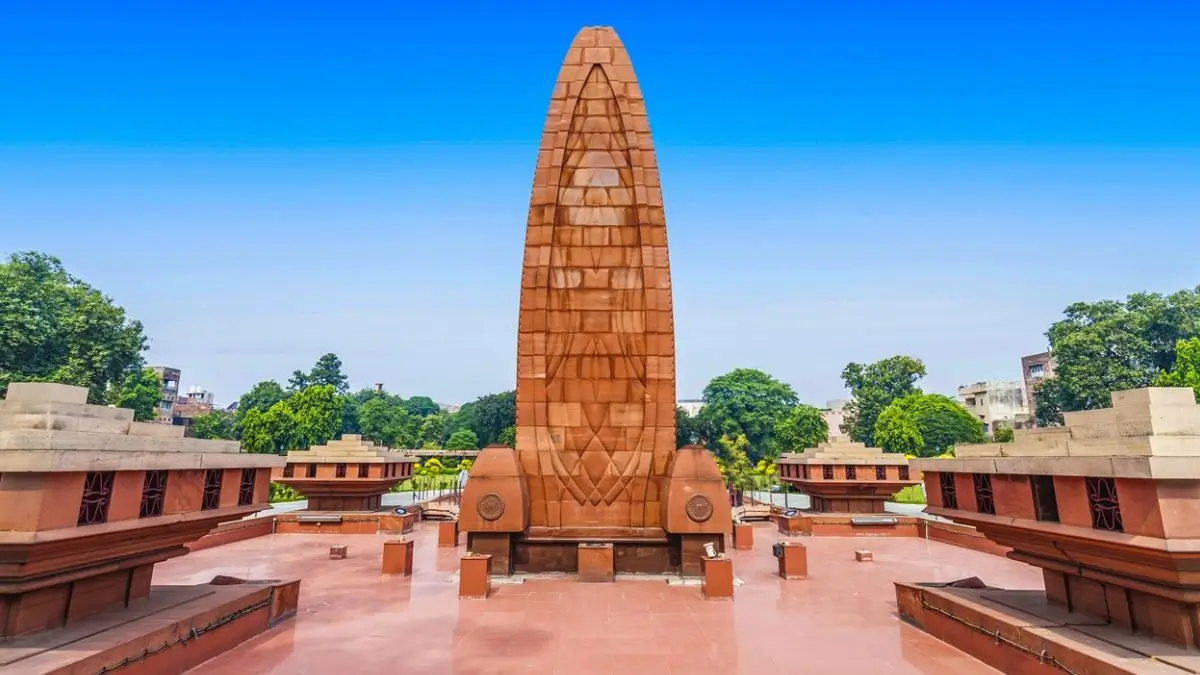
On the occasion of Jallianwala Bagh Massacre Day, tributes were paid across the country to the martyrs. Leaders, historians, and citizens recalled the supreme sacrifice of those who lost their lives. The memorial at Jallianwala Bagh in Amritsar witnessed floral tributes and remembrance ceremonies, reflecting India’s commitment to preserving historical memory and educating future generations.
Educational institutions also highlighted the importance of the event to ensure that students understand the impact of colonial atrocities and the significance of India’s freedom struggle.
Impact on India’s Freedom Movement
The massacre deeply shook the conscience of the nation. Prominent leaders and citizens reacted strongly against British rule. The incident played a crucial role in transforming India’s freedom movement from moderate protests to mass civil disobedience campaigns.
It also led to increased unity among Indians and strengthened movements led by national leaders who later intensified the struggle for independence. The event remains a powerful symbol of resistance against oppression.

Why This News is Important
1. National Importance of Historical Memory
Jallianwala Bagh Massacre Day is observed to honour the sacrifice of innocent civilians. It helps preserve India’s historical memory and ensures that future generations remain aware of colonial atrocities. Such remembrance strengthens national identity and unity among citizens.
2. Relevance for Competitive Exams
This topic is highly important for UPSC, SSC, Railways, Defence, and State PSC examinations. Questions related to the year 1919, causes of the massacre, and its impact on the freedom struggle are frequently asked in general studies papers.
3. Symbol of India’s Freedom Struggle
The massacre represents the brutality of colonial rule and became a turning point in India’s independence movement. It inspired mass protests and strengthened leaders like Mahatma Gandhi in launching nationwide civil disobedience movements.
4. Educational and Ethical Value
The event teaches students the importance of justice, human rights, and non-violence. It also highlights the consequences of oppressive governance and the value of democratic principles in modern society.
5. Strengthening Civic Awareness
Observing this day encourages citizens to reflect on past struggles and appreciate the freedom enjoyed today. It fosters civic responsibility and respect for democratic values among the youth.
Historical Context: Jallianwala Bagh Massacre Background
The Jallianwala Bagh Massacre occurred on April 13, 1919, in Amritsar, Punjab, during British colonial rule. It was triggered by growing unrest against the Rowlatt Act of 1919, which allowed imprisonment without trial and was widely opposed by Indians.
During the Baisakhi festival, thousands of people gathered peacefully in the enclosed garden. The British administration, fearing unrest, ordered troops under General Reginald Dyer to control the situation. Without issuing any warning, the troops blocked exits and opened fire on the unarmed crowd.
The incident led to widespread outrage across India. It significantly changed the direction of the freedom movement, shifting it from moderate petitions to mass protests and non-cooperation movements.
Key Takeaways from “Jallianwala Bagh Massacre Day 2026”
| S.No | Key Takeaway |
|---|---|
| 1 | Jallianwala Bagh Massacre Day is observed on April 13 to honour victims of the 1919 tragedy. |
| 2 | The massacre took place in Amritsar during a peaceful gathering against the Rowlatt Act. |
| 3 | British troops under General Dyer opened fire without warning on unarmed civilians. |
| 4 | The incident became a major turning point in India’s freedom struggle. |
| 5 | The event continues to be remembered as a symbol of sacrifice and resistance against colonial rule. |
Frequently Asked Questions (FAQs)
1. What is the Jallianwala Bagh Massacre?
The Jallianwala Bagh Massacre was a tragic incident that took place on April 13, 1919, in Amritsar, where British troops fired on a peaceful gathering, resulting in hundreds of deaths.
2. Why is Jallianwala Bagh Massacre Day observed?
It is observed to honour the innocent lives lost in the massacre and to remember its significance in India’s freedom struggle against British rule.
3. Who ordered the firing at Jallianwala Bagh?
The firing was ordered by British officer General Reginald Dyer, who deployed troops to control the peaceful gathering without issuing any warning.
4. What was the impact of the Jallianwala Bagh incident on India’s freedom movement?
The incident intensified the Indian freedom struggle, leading to widespread protests and strengthening movements like the Non-Cooperation Movement.
5. Where is the Jallianwala Bagh memorial located today?
The memorial is located in Amritsar, Punjab, and serves as a national heritage site dedicated to the martyrs of the massacre.
Some Important Current Affairs Links