





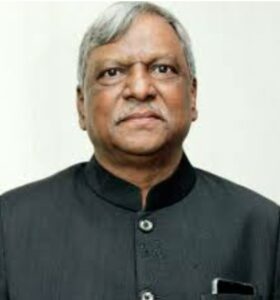
Chintha Raveendran Award 2025 winner Sarankumar Limbale honored for his impactful work in Dalit literature. Learn key facts for UPSC, PSC, and teaching exams.
Sarankumar Limbale Awarded the Prestigious Chintha Raveendran Award 2025 🚩
Introduction: A Literary Honour for Dalit Representation
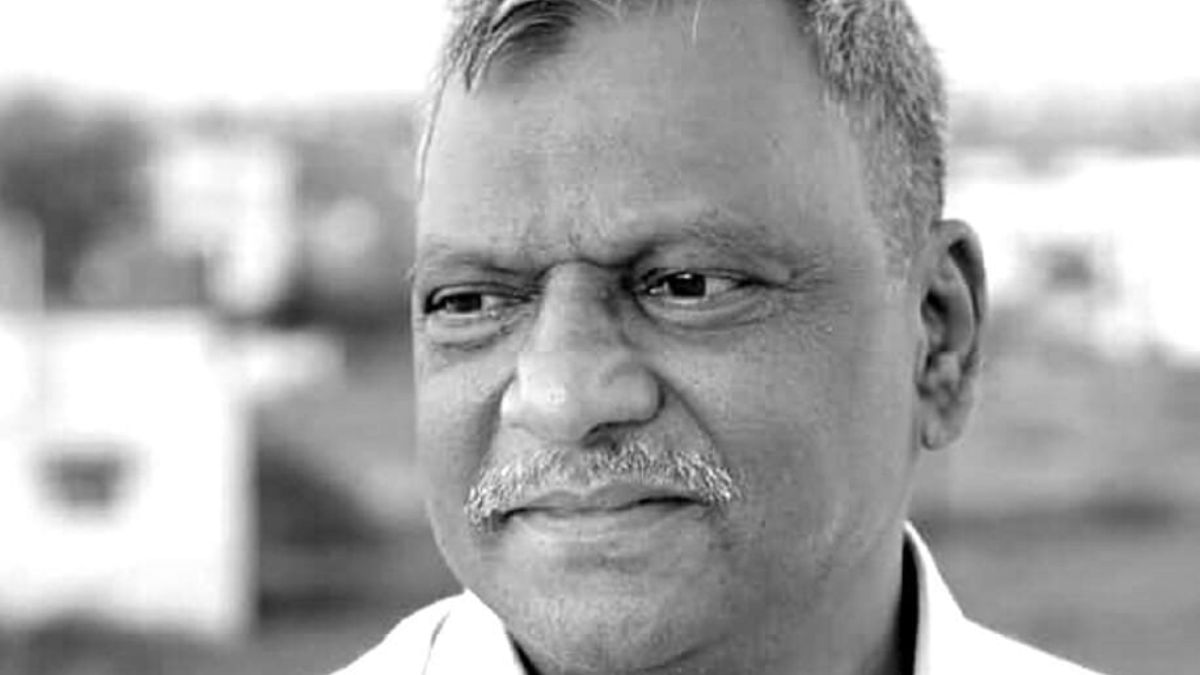
Sarankumar Limbale, a distinguished Marathi writer, poet, and literary critic renowned for his pioneering work in Dalit literature, has been honoured with the coveted Chintha Raveendran Award 2025. This prestigious recognition, announced in early July 2025, celebrates his decades-long contribution to literature that candidly explores caste oppression in India.
About Sarankumar Limbale
Born in Solapur, Maharashtra, Limbale’s literary career spans over forty years. He is best known for his autobiography Akkarmashi (“The Outcaste”), which marked a milestone in Dalit narrative by recounting his own experiences with caste-based discrimination. Beyond writing, he has been a vocal critic of systemic injustice and an influential figure in enhancing social awareness through literature.
Why He Was Selected for the Award
The Chintha Raveendran Award committee cited Limbale’s groundbreaking narratives that not only document Dalit life but also challenge prevailing social structures. His works have brought marginalized voices to mainstream literary discourse, embodying social change and sowing seeds of empathy and reform among readers and policymakers alike.
Significance of the Chintha Raveendran Award
Named after renowned Malayalam poet and journalist Chintha Raveendran, the award honours individuals who merge literature and social activism. Included in the honour are a₹ 50,000 cash prize, a commemorative plaque, and a citation — a statement of national recognition for contributions to progressive literature.
Impact on Dalit & Marathi Literature
This accolade strengthens Limbale’s position as a leading voice in Dalit literature and elevates Marathi literary heritage. His recognition reinvigorates conversations about caste in public discourse, motivating a new generation of writers and students preparing for government exams — particularly in subjects like social justice, Indian literature, and contemporary issues.
Broader Implications for Exam Aspirants
For candidates targeting exams like UPSC, SSC, state PCS, teaching, defence, banking, railways, and police, Limbale’s award underscores the rising importance of understanding marginalized narratives in general studies. The recognition reflects a growing academic emphasis on inclusive storytelling, critical for essay writing, current affairs, and ethics papers.
Why This News is Important
Boosts Awareness of Dalit Literature in Competitive Exams
Understanding Limbale’s achievement introduces aspirants to the evolving syllabus of UPSC, SSC, and state PSCs, where questions on social equality, literature, and human rights are increasingly prevalent.
Relevance to Ethics & Social Justice Syllabus
His award highlights themes of equity and empathy—topics frequently tested in ethics papers. Limbale’s life and work can be referenced as case studies on systemic discrimination, resilience, and moral values.
Enhances Cultural & Literary Knowledge
General awareness of award-winning authors like Limbale increases students’ grasp on regional literature, which is beneficial for bank PO, railway RRB, and teaching exams that include state-specific cultural sections.
Encourages Inclusive Policy Perspectives
Recognizing Limbale’s work helps aspirants understand the role of literature in influencing social reforms—relevant to civil service exams focused on public policy and governance.
Contextualizes Current Awards & Honours
Competitive exams often ask about recent awards. Sarankumar Limbale’s recognition in July 2025 is timely, making it a valuable fact for one-liner and current affairs sections.
Historical Context
Evolution of Dalit Literature
Dalit literature emerged prominently in the 1960s–70s, with writers like Baburao Bagul and Namdeo Dhasal in Maharashtra laying the groundwork. Sarankumar Limbale’s Akkarmashi (1984) became a cornerstone, offering an autobiographical account of caste-based exile and trauma.
Chintha Raveendran Award Legacy
Named for the renowned 20th-century Malayalam poet and journalist renowned for progressive writings, the Chintha Raveendran Award has acknowledged authors who marry literary flair with social commentary since its inception in the late 1990s.
Milestone Awards in Marathi Literature
This honour places Limbale alongside respected recipients like M.T. Vasudevan Nair and K. Ayappa Paniker, cementing his status in both regional and national literary landscapes.
Growing Focus on Social Equity in Awards
The Indian literary ecosystem has increasingly recognised marginalized voices. In recent years honours like the Jnanpith, Sahitya Akademi, and International Booker have celebrated Dalit and tribal authors, reflecting a shift towards representation and justice in literature.
Key Takeaways from “Sarankumar Limbale Wins Chintha Raveendran Award 2025”
| S. No | Key Takeaway |
|---|---|
| 1 | Sarankumar Limbale, acclaimed Marathi Dalit author, received the Chintha Raveendran Award 2025. |
| 2 | The award recognizes his literary contributions, especially highlighting caste-based discrimination. |
| 3 | Award includes ₹ 50,000 cash, memento, and citation—a notable current affairs fact (July 2025). |
| 4 | Limbale’s works, such as Akkarmashi, are seminal to Dalit literature movements since the 1980s. |
| 5 | His recognition underscores the growing importance of marginalized narratives in civil service and competitive exams. |
FAQs: Frequently Asked Questions
Q1. Who is Sarankumar Limbale?
Sarankumar Limbale is a prominent Marathi author, poet, and literary critic known for his contributions to Dalit literature. His autobiographical work Akkarmashi is considered a landmark in Indian literature.
Q2. What is the Chintha Raveendran Award?
The Chintha Raveendran Award is a literary honor named after Malayalam poet and journalist Chintha Raveendran. It is awarded to authors whose works promote social justice and progressive thought.
Q3. Why is Sarankumar Limbale’s work significant for civil service exams?
Limbale’s writings address caste discrimination and social injustice, key topics under Indian society, ethics, social justice, and literature—areas commonly featured in UPSC, PSC, and teaching exams.
Q4. What are some key works by Sarankumar Limbale?
His most famous work is Akkarmashi (The Outcaste). He has also written extensively on Dalit aesthetics and Indian social structures.
Q5. When was the Chintha Raveendran Award 2025 announced?
The award was announced in July 2025, recognizing Limbale’s contributions to literature and marginalized communities.
Q6. How does this news relate to current affairs exam preparation?
It falls under awards and honors, Indian literature, and social justice—all crucial for current affairs sections in UPSC, SSC, railways, defence, and teacher eligibility exams.
Some Important Current Affairs Links