







BHAVYA Rasayan Scheme approved by Cabinet aims to establish three chemical parks in India with ₹3,030 crore investment. Know objectives, benefits, funding pattern and exam-important facts about this government initiative.
Introduction
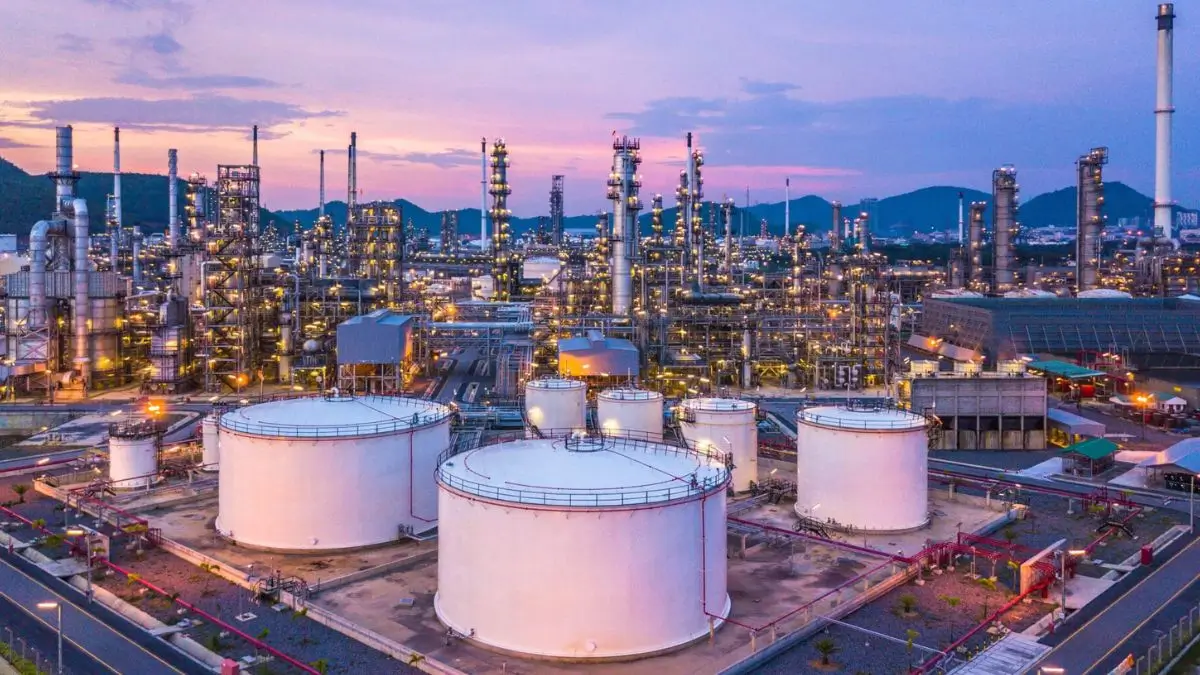
The Union Cabinet has approved the Bharat Audyogik Vikas Yojana Rasayan (BHAVYA Rasayan) Scheme, a major initiative aimed at strengthening India’s chemical manufacturing ecosystem through the establishment of three dedicated chemical parks. Announced earlier in the Union Budget 2026–27, the scheme seeks to create world-class industrial infrastructure, attract investments, reduce import dependence, and improve India’s competitiveness in global chemical value chains. The scheme carries a total financial outlay of ₹3,030 crore and will be implemented over five years, from FY 2026–27 to FY 2030–31.
Objective of the BHAVYA Rasayan Scheme
The primary objective of the BHAVYA Rasayan Scheme is to develop integrated chemical parks equipped with modern infrastructure and common utilities. These parks are expected to reduce production costs, improve operational efficiency, and provide a conducive environment for domestic as well as foreign investments.
By creating dedicated industrial clusters, the government aims to strengthen India’s chemical manufacturing capabilities and support the vision of Atmanirbhar Bharat while making India a preferred global manufacturing destination.
Financial Allocation and Funding Pattern
The scheme has been allocated ₹3,030 crore, of which ₹3,000 crore will be used for developing common infrastructure facilities and basic utilities inside the chemical parks, while ₹30 crore has been earmarked for administrative expenses.
The Central Government will provide financial assistance of up to ₹1,000 crore for each chemical park, subject to the concerned State Government contributing at least ₹500 crore. This funding model encourages active participation by states in industrial development.
Features of the Dedicated Chemical Parks
Each proposed chemical park will cover a minimum contiguous area of 2,000 acres (around 8 square kilometres). The parks will be selected through a competitive challenge-based process among states.
The parks will offer plug-and-play industrial infrastructure including:
- Common Effluent Treatment Plants (CETPs)
- Hazardous waste management systems
- Utilities such as water and power supply
- Internal roads and logistics facilities
- Warehousing and storage infrastructure
- Environmental protection facilities
These common facilities are expected to significantly lower operational costs for industries while ensuring environmental sustainability.
Expected Benefits for India’s Economy
The chemical sector is one of the largest contributors to India’s manufacturing economy, supplying raw materials to industries such as agriculture, pharmaceuticals, textiles, automobiles, electronics, construction, and consumer goods.
The BHAVYA Rasayan Scheme is expected to:
- Increase domestic production of chemicals.
- Promote exports and reduce imports.
- Strengthen India’s participation in Global Value Chains (GVCs).
- Generate large-scale employment opportunities.
- Attract domestic and foreign direct investment.
- Improve India’s global competitiveness in chemical manufacturing.
The shared infrastructure model is also expected to enhance productivity while reducing logistics costs across the value chain.
Importance for Government Exam Aspirants
The BHAVYA Rasayan Scheme is highly relevant for aspirants preparing for UPSC, State PCS, SSC, Banking, Railways, Defence, and other government examinations. Questions may be asked about its objectives, financial allocation, implementation period, industrial policy, manufacturing initiatives, or its role in achieving self-reliance.
The scheme is also important under topics such as Government Schemes, Economic Development, Industrial Policy, Manufacturing Sector, Infrastructure Development, and Make in India.

Why This News is Important
Strengthening India’s Industrial Base
The approval of the BHAVYA Rasayan Scheme marks another significant step towards strengthening India’s industrial ecosystem. The development of dedicated chemical parks will provide modern infrastructure that individual industries may find difficult to create independently.
Boost to Manufacturing and Employment
The scheme is expected to generate substantial employment opportunities during both the construction and operational phases. Increased manufacturing activity will also support ancillary industries, logistics providers, and MSMEs.
Promoting Atmanirbhar Bharat
India imports several specialty chemicals despite having a strong manufacturing base. The new chemical parks are expected to improve domestic production capacity, reduce import dependence, and enhance export competitiveness.
Important from Examination Perspective
For competitive examinations, this scheme is important because it combines themes related to industrial development, infrastructure, economic policy, environmental management, investment promotion, and government initiatives. Candidates should remember the scheme’s name, total financial allocation, number of parks, funding pattern, implementation period, and major objectives.
Historical Context
Growth of India’s Chemical Industry
India possesses one of the world’s largest chemical industries and ranks among the leading producers of chemicals globally. Over the years, the sector has expanded rapidly due to increasing domestic demand from pharmaceuticals, agriculture, construction, textiles, and consumer products.
Earlier Government Initiatives
The Government has consistently promoted industrial corridors, manufacturing clusters, and plug-and-play infrastructure through initiatives such as Make in India, the Production Linked Incentive (PLI) Scheme, industrial corridors, and sector-specific parks.
The BHAVYA Rasayan Scheme builds upon these initiatives by focusing specifically on integrated chemical manufacturing infrastructure. The scheme was first announced in the Union Budget 2026–27 before receiving Cabinet approval in July 2026.
Key Takeaways from “BHAVYA Rasayan Scheme”
| S. No. | Key Takeaway |
|---|---|
| 1 | The Union Cabinet approved the BHAVYA Rasayan Scheme to establish three dedicated chemical parks in India. |
| 2 | The scheme has a total financial outlay of ₹3,030 crore and will run from FY 2026–27 to FY 2030–31. |
| 3 | The Central Government will provide grants of up to ₹1,000 crore per chemical park, subject to state contribution. |
| 4 | The parks will feature common industrial infrastructure including CETPs, utilities, logistics, and hazardous waste management facilities. |
| 5 | The initiative aims to attract investment, boost exports, reduce imports, generate employment, and strengthen India’s position in global chemical value chains. |
FAQs: Frequently Asked Questions on BHAVYA Rasayan Scheme
1. What is the BHAVYA Rasayan Scheme?
The BHAVYA Rasayan Scheme (Bharat Audyogik Vikas Yojana Rasayan) is a government initiative approved by the Union Cabinet to establish dedicated chemical parks in India. The scheme aims to strengthen chemical manufacturing infrastructure, attract investment, reduce import dependency, and promote domestic production.
2. Which ministry is responsible for implementing the BHAVYA Rasayan Scheme?
The BHAVYA Rasayan Scheme is related to the chemical manufacturing sector and is implemented under the guidance of the Ministry of Chemicals and Fertilizers, Government of India.
3. How many chemical parks will be developed under the BHAVYA Rasayan Scheme?
The scheme aims to establish three dedicated chemical parks across India to provide world-class infrastructure and common facilities for chemical industries.
4. What is the total financial outlay of the BHAVYA Rasayan Scheme?
The total financial allocation for the BHAVYA Rasayan Scheme is ₹3,030 crore. Out of this amount, ₹3,000 crore will be used for infrastructure development, while ₹30 crore will be allocated for administrative expenses.
5. What is the implementation period of the BHAVYA Rasayan Scheme?
The scheme will be implemented over a period of five years, from Financial Year 2026–27 to Financial Year 2030–31.
6. How much financial assistance will the Central Government provide for each chemical park?
The Central Government will provide financial assistance of up to ₹1,000 crore per chemical park, depending on eligibility and conditions.
7. What condition must states fulfil to receive assistance under the scheme?
The participating State Governments must contribute at least ₹500 crore towards the development of each chemical park.
8. What type of infrastructure will be developed in chemical parks?
The chemical parks will include common facilities such as:
- Common Effluent Treatment Plants (CETPs)
- Hazardous waste management systems
- Water and power supply facilities
- Internal roads
- Logistics and warehousing infrastructure
- Environmental management systems
9. Why is the chemical sector important for India’s economy?
The chemical sector supports several important industries including pharmaceuticals, agriculture, textiles, automobiles, electronics, construction, and consumer goods. It plays a major role in India’s manufacturing and export growth.
10. How is BHAVYA Rasayan Scheme related to Atmanirbhar Bharat?
The scheme supports the vision of Atmanirbhar Bharat by promoting domestic chemical production, reducing dependence on imported chemicals, and improving India’s global competitiveness.
Some Important Current Affairs Links