









Mojtaba Khamenei Supreme Leader of Iran news explained for competitive exams. Learn about Iran’s leadership change, Assembly of Experts role, and key facts for UPSC, SSC, Banking, and other exams.
Mojtaba Khamenei Becomes Iran’s Supreme Leader After Ayatollah Ali Khamenei
Leadership Transition in Iran
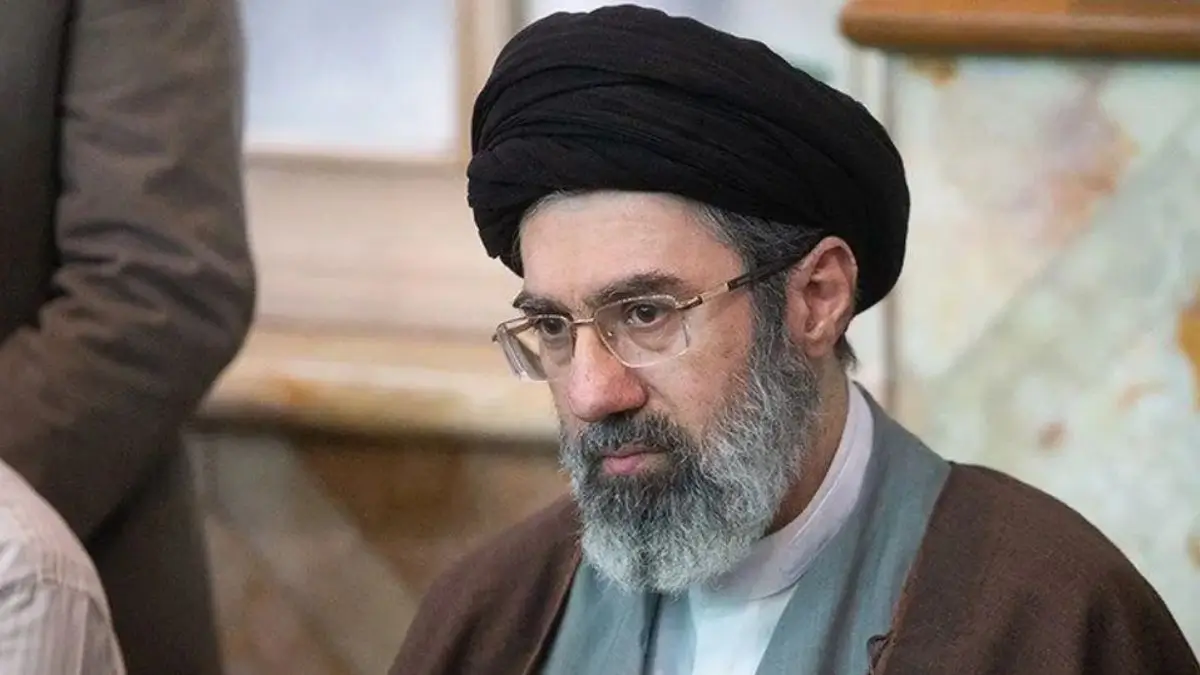
Iran witnessed a major political development after the death of its long-time Supreme Leader Ayatollah Ali Khamenei. Following his demise, the country’s powerful clerical body known as the Assembly of Experts selected Mojtaba Khamenei, the son of the late leader, as the new Supreme Leader of Iran.
This leadership transition marks a significant moment in the history of the Islamic Republic because Mojtaba Khamenei became the third Supreme Leader since the 1979 Iranian Revolution. Before him, the country had only two leaders—Ayatollah Ruhollah Khomeini and Ayatollah Ali Khamenei.
Who is Mojtaba Khamenei?
Mojtaba Khamenei is a cleric and the second son of Ayatollah Ali Khamenei. Although he has not held any major elected political office, he has long been considered an influential figure behind the scenes in Iranian politics. Analysts believe he maintained close connections with the Islamic Revolutionary Guard Corps (IRGC) and conservative clerical networks.
His appointment has attracted international attention because the Iranian system traditionally discourages hereditary succession. However, Mojtaba’s strong ties with key political and military institutions helped secure support for his leadership.
Appointment by the Assembly of Experts
According to Iranian constitutional procedures, the Assembly of Experts, a body of senior clerics responsible for appointing and supervising the Supreme Leader, convened to select the successor. The assembly ultimately endorsed Mojtaba Khamenei as the country’s new supreme leader.
The transition occurred during a period of regional instability and escalating tensions in the Middle East, making the leadership change even more significant.
Role and Powers of Iran’s Supreme Leader
The Supreme Leader holds the highest authority in Iran’s political system. The position has sweeping powers, including:
- Command of the armed forces
- Control over key security institutions
- Appointment of senior judiciary and military officials
- Influence over foreign policy and national security decisions
Because of these powers, the Supreme Leader plays a decisive role in shaping Iran’s domestic governance and international relations.
Global Reactions to the Leadership Change
The appointment of Mojtaba Khamenei has sparked global debate and scrutiny. Several analysts and international leaders have questioned the legitimacy of the transition, while Iran’s allies and military institutions have expressed strong support.
The leadership change is expected to influence Iran’s strategic decisions, especially regarding regional conflicts and relations with global powers.

Why This News is Important
Importance for International Politics
The appointment of Mojtaba Khamenei as Iran’s Supreme Leader has significant implications for global geopolitics. Iran plays a crucial role in Middle Eastern politics, and the leadership transition may shape the country’s foreign policy, nuclear strategy, and relations with Western countries.
Impact on Middle East Stability
The Middle East is already experiencing tensions involving Iran, Israel, and other regional powers. A new leader could alter diplomatic strategies, military policies, or alliances in the region. As Iran remains a key actor in regional conflicts, any leadership change can influence security dynamics across the Middle East.
Significance for Competitive Exams
For students preparing for competitive examinations such as UPSC, PSC, SSC, Banking, Railways, and Defence exams, this news is important because it relates to:
- International relations and geopolitics
- Political systems of foreign countries
- Leadership transitions in global powers
Questions related to Iran’s leadership structure, the Assembly of Experts, and the Supreme Leader’s role are frequently asked in current affairs sections.
Historical Context of Iran’s Supreme Leadership
Iranian Revolution and the First Supreme Leader
The position of Supreme Leader was created after the 1979 Iranian Revolution, which overthrew the monarchy and established the Islamic Republic. Ayatollah Ruhollah Khomeini became the first Supreme Leader and led the country until his death in 1989.
Rise of Ayatollah Ali Khamenei
After Khomeini’s death, Ali Khamenei, who was then the President of Iran, was chosen as the second Supreme Leader in 1989. He remained in power for more than three decades and shaped Iran’s political, military, and ideological direction.
Transition to Mojtaba Khamenei
After Ali Khamenei’s death in 2026, Iran entered a brief transitional phase before the Assembly of Experts appointed Mojtaba Khamenei as the new leader. His appointment marks the first time a son succeeded his father in this position, making it a historic moment in Iran’s political history.
Key Takeaways from This News
| S.No | Key Takeaway |
|---|---|
| 1 | Mojtaba Khamenei has become the new Supreme Leader of Iran after the death of Ayatollah Ali Khamenei. |
| 2 | The appointment was made by Iran’s powerful clerical body called the Assembly of Experts. |
| 3 | Mojtaba Khamenei is the son of the late leader and had long been considered influential within Iran’s political system. |
| 4 | The Supreme Leader is the highest authority in Iran with control over military, judiciary, and major state institutions. |
| 5 | This transition marks the first dynastic-like succession in the history of the Islamic Republic of Iran. |
FAQs: Frequently Asked Questions for Competitive Exams
1. Who became the Supreme Leader of Iran after Ayatollah Ali Khamenei?
Mojtaba Khamenei, the son of Ali Khamenei, was chosen as the new Supreme Leader of Iran after his father’s death.
2. Which body appoints the Supreme Leader of Iran?
The Assembly of Experts, a powerful council of senior clerics in Iran, is responsible for selecting and supervising the Supreme Leader.
3. Who was the first Supreme Leader of Iran?
The first Supreme Leader of Iran was Ruhollah Khomeini, who assumed the position after the Iranian Revolution.
4. What are the main powers of Iran’s Supreme Leader?
The Supreme Leader holds the highest authority in Iran and has powers such as:
- Commanding the armed forces
- Influencing foreign policy and national security
- Appointing top judicial and military officials
- Overseeing major state institutions
5. Which organization plays a major role in Iran’s security and political system?
The Islamic Revolutionary Guard Corps (IRGC) is a powerful military organization that plays a major role in Iran’s political and security structure.
6. How many Supreme Leaders has Iran had since 1979?
Since the establishment of the Islamic Republic in 1979, Iran has had three Supreme Leaders:
- Ruhollah Khomeini
- Ali Khamenei
- Mojtaba Khamenei
7. Why is Mojtaba Khamenei’s appointment considered historic?
His appointment is considered historic because it represents the first instance of a son succeeding his father in Iran’s Supreme Leadership.
8. What type of political system does Iran follow?
Iran follows a theocratic republic, where religious leaders hold significant power alongside elected institutions.
Some Important Current Affairs Links




