






Largest economies in the world 2026 ranked by nominal GDP. Check the top 10 countries, India’s global rank, IMF projections, GDP facts, and important exam-oriented insights for UPSC, SSC, Banking, Railways, and PSC exams.
Introduction: Understanding the Global Economic Rankings
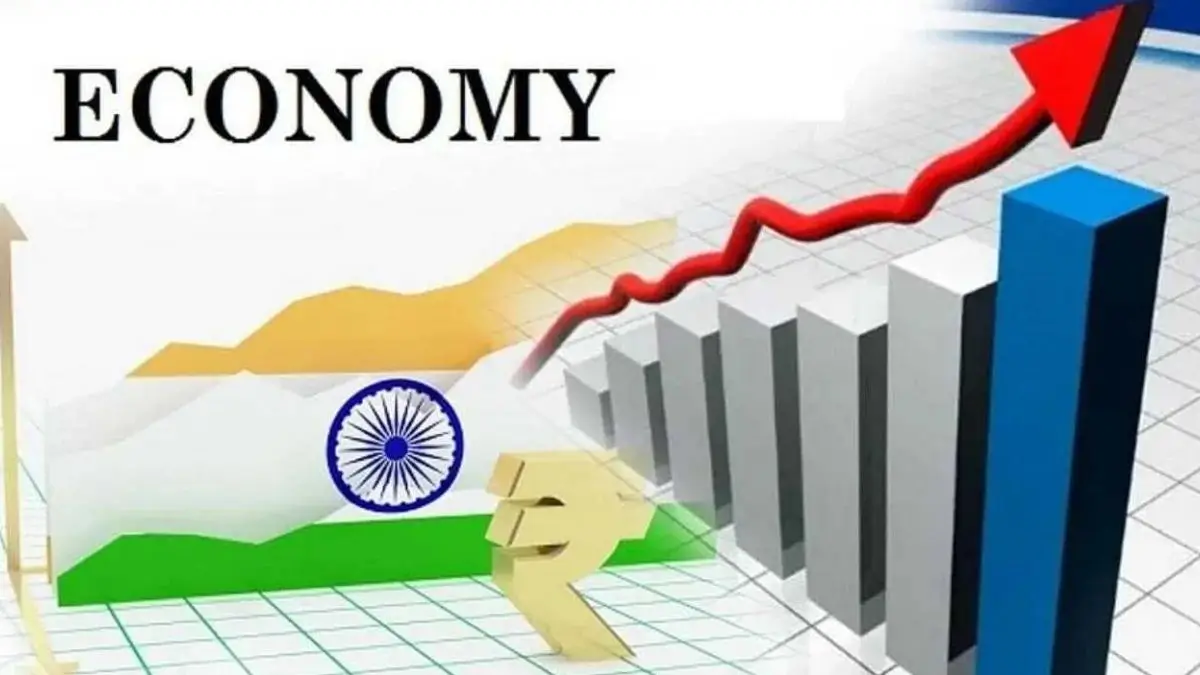
The ranking of the largest economies in the world is one of the most important indicators used to measure a country’s economic strength and global influence. These rankings are generally based on Nominal Gross Domestic Product (GDP), which represents the total market value of all goods and services produced within a country during a specific period.
According to recent IMF projections for 2026, the global economy continues to be dominated by the United States and China, while India has emerged as one of the fastest-growing major economies. The latest estimates indicate that India has either reached or is competing for the fourth position globally, depending on the dataset and exchange-rate assumptions used.
What is Nominal GDP?
Nominal GDP measures the economic output of a country using current market prices without adjusting for inflation. It is the most commonly used metric for comparing economies across the world.
International organizations such as the International Monetary Fund (IMF), World Bank, and United Nations regularly publish GDP estimates that help policymakers, investors, and researchers evaluate economic performance.
Top 10 Largest Economies in the World in 2026
Based on IMF projections, the world’s leading economies by nominal GDP are as follows:
| Rank | Country | Estimated GDP (USD Trillion) |
|---|---|---|
| 1 | United States | 31.8+ |
| 2 | China | 20.6+ |
| 3 | Germany | 5.3+ |
| 4 | India | 4.5+ |
| 5 | Japan | 4.4+ |
| 6 | United Kingdom | 4.2+ |
| 7 | France | 3.5+ |
| 8 | Italy | 2.7+ |
| 9 | Russia | 2.5+ |
| 10 | Canada | 2.4+ |
These rankings highlight the dominance of North America, Europe, and Asia in global economic activity.
India’s Rise Among Global Economic Powers
India’s economic growth story has attracted global attention over the last decade. Strong domestic demand, a growing services sector, increasing digitalization, infrastructure expansion, and manufacturing initiatives have contributed significantly to the country’s economic progress.
The IMF projections indicate that India has overtaken Japan in some forecasts and secured the fourth position among the world’s largest economies. This achievement marks a significant milestone in India’s journey toward becoming a developed nation.
Factors Driving India’s Economic Growth
Strong Domestic Consumption
India possesses one of the largest consumer markets globally. Rising incomes and an expanding middle class continue to fuel economic growth.
Digital Transformation
Government initiatives such as Digital India, UPI-based payments, and increasing internet penetration have accelerated economic activities and financial inclusion.
Manufacturing Expansion
Programs like “Make in India” have encouraged domestic and foreign investment in manufacturing sectors, contributing to industrial growth.
Infrastructure Development
Massive investments in highways, railways, airports, and logistics have improved connectivity and productivity across the country.
Young Workforce Advantage
India’s demographic dividend remains one of its greatest strengths, with a large working-age population supporting economic expansion.
Economic Challenges Facing Major Economies
While the world’s largest economies continue to grow, they also face several challenges.
United States
The U.S. remains the world’s largest economy due to its technological leadership, strong financial markets, and innovation ecosystem. However, concerns regarding debt levels and inflation persist.
China
China continues to be a major economic powerhouse, but issues related to real estate, demographic changes, and trade tensions have moderated its growth pace.
Europe
Germany, the United Kingdom, France, and Italy continue to play crucial roles in the global economy, though they face challenges related to aging populations and slower growth rates.
Significance of GDP Rankings in International Relations
Economic size often influences a country’s global standing. Nations with larger economies generally have greater influence in international organizations, trade negotiations, and geopolitical affairs.
A higher GDP also enables countries to invest more in infrastructure, defense, technology, healthcare, and education, thereby strengthening their overall national power.
Impact on Competitive Examination Aspirants
Questions related to GDP rankings, IMF reports, economic indicators, and global economic organizations frequently appear in UPSC, State PSC, SSC, Banking, Railways, Defence, and Teaching examinations.
Candidates should remember:
- The United States remains the largest economy.
- China is the second-largest economy.
- India is among the top five largest economies globally.
- GDP rankings are generally based on nominal GDP calculations.
- IMF projections are widely used for international economic comparisons.

Why This News is Important
Importance for Competitive Examinations
The ranking of the world’s largest economies is a recurring topic in government examinations. Questions related to GDP, economic growth, international organizations, and India’s economic position frequently appear in UPSC, State PSCs, SSC, Banking, Railways, and Defence recruitment examinations.
Understanding these rankings helps aspirants connect current affairs with economic concepts covered in the syllabus.
India’s Growing Global Influence
India’s emergence among the top global economies demonstrates its increasing importance in international trade, diplomacy, and policymaking. As India’s economy expands, its role in organizations such as the IMF, G20, BRICS, and other multilateral forums becomes increasingly significant.
This development also reflects the success of various economic reforms, infrastructure projects, and digital transformation initiatives undertaken over the past decade.
Relevance for Economic Awareness
GDP rankings provide insight into the economic health of countries and the changing balance of global economic power. Students preparing for competitive examinations should understand the distinction between Nominal GDP and GDP based on Purchasing Power Parity (PPP).
Knowledge of these concepts is essential for answering economy-related questions and participating in discussions on development and international affairs.
International Monetary Fund’s Role
The IMF remains one of the most influential organizations in assessing global economic performance. Its reports are widely used by governments, economists, investors, and researchers worldwide. Therefore, any major IMF projection regarding India’s economic ranking becomes highly relevant from an examination perspective.
Historical Context
Evolution of Global Economic Rankings
Since the end of World War II, the United States has maintained its position as the world’s largest economy. The post-war period witnessed rapid industrialization and technological advancement that helped America dominate global economic activity.
Rise of China
Beginning in the late 1970s, China’s economic reforms transformed it into a manufacturing powerhouse. Over four decades, China rose from a relatively small economy to become the world’s second-largest economy.
India’s Economic Liberalization
India’s economic transformation accelerated after the 1991 economic reforms. Liberalization policies encouraged foreign investment, private sector participation, and integration with global markets.
Growth in the 21st Century
The information technology boom, service sector expansion, and economic reforms helped India achieve sustained growth. Over the past two decades, India has steadily climbed global GDP rankings.
Future Outlook
International institutions continue to project strong growth for India. Many forecasts suggest that India could become the third-largest economy in the coming years if current growth trends continue.
Key Takeaways from Largest Economies in the World 2026
| S. No. | Key Takeaway |
|---|---|
| 1 | The United States remains the world’s largest economy by nominal GDP in 2026. |
| 2 | China continues to hold the second position globally. |
| 3 | Germany is the third-largest economy according to IMF projections. |
| 4 | India has emerged among the top five economies and is projected to occupy the fourth position in several forecasts. |
| 5 | GDP rankings are an important indicator of economic strength and frequently appear in competitive examinations. |
FAQs: Largest Economies in the World 2026
1. Which country is the largest economy in the world in 2026?
The United States is projected to remain the world’s largest economy by nominal GDP in 2026.
2. Which country holds the second position in the global GDP ranking?
China is expected to be the second-largest economy in the world.
3. What is Nominal GDP?
Nominal GDP is the total value of goods and services produced within a country at current market prices without adjusting for inflation.
4. What is India’s rank among the world’s largest economies in 2026?
According to IMF projections, India is expected to rank fourth among the world’s largest economies by nominal GDP.
5. Which international organization publishes global GDP projections?
The International Monetary Fund (IMF) regularly publishes global economic outlook reports and GDP projections.
6. What is the difference between Nominal GDP and PPP GDP?
Nominal GDP uses current exchange rates, while Purchasing Power Parity (PPP) GDP adjusts for differences in living costs and purchasing power across countries.
7. Which country is projected to be the third-largest economy in 2026?
Germany is projected to be the third-largest economy by nominal GDP.
8. Why is GDP important for competitive examinations?
GDP is a key indicator of economic performance and is frequently asked in UPSC, PSC, SSC, Banking, Railways, Defence, and Teaching examinations.
9. What factors have contributed to India’s economic growth?
Major factors include digital transformation, infrastructure development, manufacturing expansion, demographic advantage, and strong domestic consumption.
10. Which group of countries includes the world’s major emerging economies?
BRICS (Brazil, Russia, India, China, and South Africa, with recent expansions) includes several major emerging economies.
11. What is the full form of GDP?
GDP stands for Gross Domestic Product.
12. Which forum hosted by India in 2023 increased its global economic visibility?
India’s presidency of the G20 Summit significantly enhanced its global economic profile.
13. Which sector contributes significantly to India’s GDP?
The services sector is one of the largest contributors to India’s GDP.
14. What is the significance of GDP rankings in international relations?
GDP rankings reflect economic strength and influence a country’s role in trade, diplomacy, and global governance.
15. Which examinations commonly ask questions related to GDP rankings?
UPSC Civil Services, State PSCs, SSC CGL, Banking Exams, Railways, CDS, NDA, CAPF, and Teaching Eligibility Tests frequently include such questions.
Some Important Current Affairs Links