




Indian passport fee hike 2026 explained in detail. Check revised passport charges, Tatkal passport fees, updated application costs, reasons for the revision, important facts, MCQs, FAQs, and key points for UPSC, SSC, Banking, Railways, Defence, and State PSC exams.
Indian Government Revises Passport Fees Effective from July 1, 2026
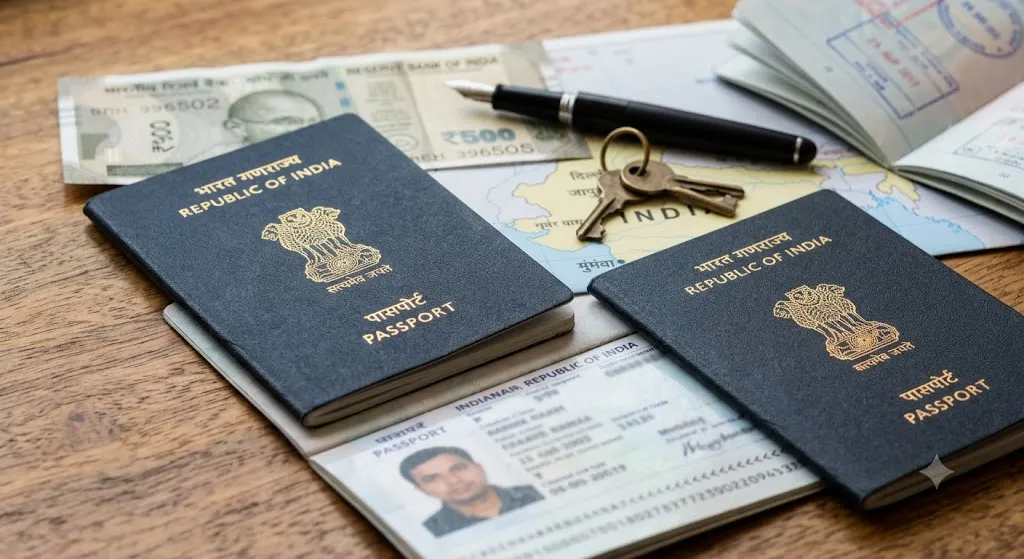
The Government of India has announced a revision in passport application fees, which came into effect on July 1, 2026. The revised fee structure applies to various passport-related services, including fresh passport applications, passport renewals, re-issue of passports, Tatkal services, and replacement of lost or damaged passports. The revision is aimed at meeting the increasing administrative costs, improving passport service delivery, and supporting the modernization of passport infrastructure across the country.
The Ministry of External Affairs (MEA) periodically reviews passport charges to ensure that passport services remain efficient, secure, and technologically advanced. The latest revision affects both ordinary and Tatkal passport applicants.
Revised Passport Charges for Different Categories
Under the revised fee structure, applicants seeking ordinary passports as well as Tatkal passports will now pay higher application charges than before. The revised rates vary depending on the number of pages in the passport booklet, validity period, and the age of the applicant.
For adult applicants opting for a standard 36-page passport with a validity of ten years, the application fee has been increased. Similarly, applicants choosing the larger 60-page passport booklet will also pay revised charges.
The revised fees also apply to minors applying for passports with five-year validity or until they attain the age prescribed under passport rules.
Tatkal Passport Services Become Costlier
Tatkal passport services, which offer faster processing and quicker passport issuance, have also become more expensive under the revised notification.
Applicants choosing Tatkal services will now have to pay both the revised normal passport fee and the applicable Tatkal surcharge. Despite the increase in charges, the Tatkal scheme continues to remain the preferred option for individuals requiring urgent travel due to employment, education, business, or medical emergencies.
The government has clarified that Tatkal processing timelines and document verification procedures remain unchanged.
Reasons Behind the Passport Fee Revision
The increase in passport charges has been introduced to strengthen passport-related infrastructure and improve citizen services.
Some of the major reasons include:
- Upgrading passport processing technology.
- Enhancing cybersecurity and document security.
- Expanding Passport Seva Kendras.
- Improving digital verification systems.
- Reducing processing delays.
- Modernizing passport printing facilities.
- Providing better citizen-centric services.
The government believes that these improvements will help maintain international standards in passport issuance.
Passport Services Continue Through Passport Seva Kendras
Passport applications continue to be accepted through Passport Seva Kendras (PSKs), Post Office Passport Seva Kendras (POPSKs), and online applications via the Passport Seva Portal.
Applicants are required to:
- Register online.
- Fill the passport application form.
- Pay the prescribed fee.
- Book an appointment.
- Visit the Passport Seva Kendra for biometric verification and document submission.
- Track application status online.
The digital application process continues to reduce paperwork and improve transparency.
Documents Required for Passport Application
Applicants should keep the following documents ready while applying:
- Aadhaar Card
- PAN Card (where applicable)
- Proof of Address
- Proof of Date of Birth
- Educational documents (if applicable)
- Annexures wherever required
- Existing passport in case of renewal or re-issue
Applicants are advised to carry original documents along with self-attested photocopies.
Impact on Indian Citizens
The revised passport fees may slightly increase the financial burden on applicants. However, experts believe that the increase is relatively moderate considering the continuous improvements being made in passport services.
Students planning to study abroad, professionals travelling for employment, businesspersons, tourists, and government officials should consider the revised charges while planning future passport applications or renewals.
Individuals whose passports are nearing expiry are advised to verify the latest fee structure before submitting fresh applications.
Importance for Government Exam Aspirants
Passport-related developments frequently appear in competitive examinations because they involve governance, public administration, international mobility, and citizen services.
Questions may be asked regarding:
- Ministry responsible for passports.
- Passport Act.
- Passport Seva Programme.
- Tatkal Passport Scheme.
- Passport validity.
- Passport issuing authority.
- Digital governance initiatives.
- e-Governance reforms.
Candidates preparing for UPSC, State PSCs, SSC, Banking, Railways, Defence, CAPF, Teaching, and Police recruitment examinations should remember the revised passport fee notification as an important current affairs topic.

Why This News is Important
Important Update in Public Administration
The revision of passport fees is an important administrative decision taken by the Government of India. Passport services are among the most frequently used citizen-centric services, and any revision in charges directly affects millions of applicants every year. Such policy decisions demonstrate how governments periodically review user charges to improve service quality and infrastructure.
Significant for Competitive Examinations
Questions related to passport services regularly appear in UPSC Civil Services, State PSCs, SSC CGL, CHSL, Banking, Railways, CAPF, CDS, NDA, and other competitive examinations. Aspirants should know the revised passport fee structure, the role of the Ministry of External Affairs, the Passport Seva Programme, and the Tatkal Passport Scheme.
Promotes Better Digital Governance
The fee revision reflects the government’s continued emphasis on digital governance. Passport services have become increasingly technology-driven through online applications, appointment scheduling, digital payments, biometric verification, and online status tracking. Improved infrastructure is expected to further enhance efficiency and transparency.
Supports International Mobility
A valid passport is an essential travel document for international travel, higher education abroad, overseas employment, business visits, tourism, and diplomatic engagements. Efficient passport services contribute to India’s global connectivity and facilitate international movement of citizens.
Historical Context
Evolution of Passport Services in India
Passport services in India are governed by the Passports Act, 1967, administered by the Ministry of External Affairs. Initially, passport issuance was largely manual and involved lengthy processing times.
Launch of the Passport Seva Programme
To modernize passport services, the Government introduced the Passport Seva Programme, digitizing the application process and establishing Passport Seva Kendras across the country. The programme significantly reduced processing time while improving transparency and accessibility.
Expansion Through Post Office Passport Seva Kendras
To improve rural accessibility, the government later expanded passport services through Post Office Passport Seva Kendras (POPSKs), enabling citizens in smaller towns and remote regions to access passport facilities more conveniently.
Continuous Modernization
Over the years, passport services have incorporated biometric verification, online appointment systems, police verification integration, digital document uploads, and secure passport printing technologies. Periodic revisions in passport fees help finance these technological upgrades and ensure service quality.
Key Takeaways from “Indian Passport Fee Hike from July 1, 2026”
| S. No. | Key Takeaway |
|---|---|
| 1 | The Government of India revised passport application fees effective from July 1, 2026. |
| 2 | Revised charges apply to fresh passports, renewals, re-issues, and Tatkal passport services. |
| 3 | The fee revision aims to strengthen passport infrastructure, digital services, and cybersecurity. |
| 4 | Passport applications continue through Passport Seva Kendras, Post Office Passport Seva Kendras, and the online Passport Seva Portal. |
| 5 | The topic is important for UPSC, State PSC, SSC, Banking, Railways, Defence, Police, and other government recruitment examinations because it relates to governance, public administration, and citizen services. |
FAQs: Indian Passport Fee Hike from July 1, 2026
1. When did the revised passport fees come into effect?
The revised passport application fees came into effect on July 1, 2026, as announced by the Government of India.
2. Which ministry is responsible for passport services in India?
The Ministry of External Affairs (MEA) is responsible for issuing passports and administering passport-related services in India.
3. What is the main reason behind the passport fee hike?
The fee revision aims to improve passport infrastructure, strengthen digital services, enhance cybersecurity, modernize passport printing facilities, and provide better citizen-centric services.
4. Does the revised fee apply to Tatkal passports?
Yes. The revised charges apply to both ordinary passport services and Tatkal passport services, including fresh applications and passport renewals.
5. What is the Tatkal Passport Scheme?
The Tatkal Passport Scheme provides expedited processing of passport applications for individuals requiring urgent passport issuance due to employment, education, business, medical emergencies, or other valid reasons.
6. Through which portal can citizens apply for passports?
Applicants can apply online through the Passport Seva Portal, complete the application form, pay the fee, schedule an appointment, and track their application status.
7. Which Act governs passport issuance in India?
Passport issuance in India is governed by the Passports Act, 1967.
8. What are Passport Seva Kendras (PSKs)?
Passport Seva Kendras are government-authorized centres where applicants complete document verification, biometric registration, and other passport-related formalities.
9. What are Post Office Passport Seva Kendras (POPSKs)?
POPSKs are passport service centres established in collaboration with the Department of Posts to improve passport accessibility in smaller towns and rural areas.
10. Why is this topic important for competitive examinations?
The passport fee revision is important because it relates to governance, e-Governance, public administration, citizen services, Ministry of External Affairs, and current affairs, making it relevant for UPSC, State PSCs, SSC, Banking, Railways, Defence, Police, and Teaching examinations.
Some Important Current Affairs Links