







International Day Against Drug Abuse 2026 explained with its history, theme, significance, UNODC’s role, important facts, MCQs, FAQs, and key takeaways for UPSC, SSC, Banking, Railways, Defence, PSC, and other competitive exams.
Introduction
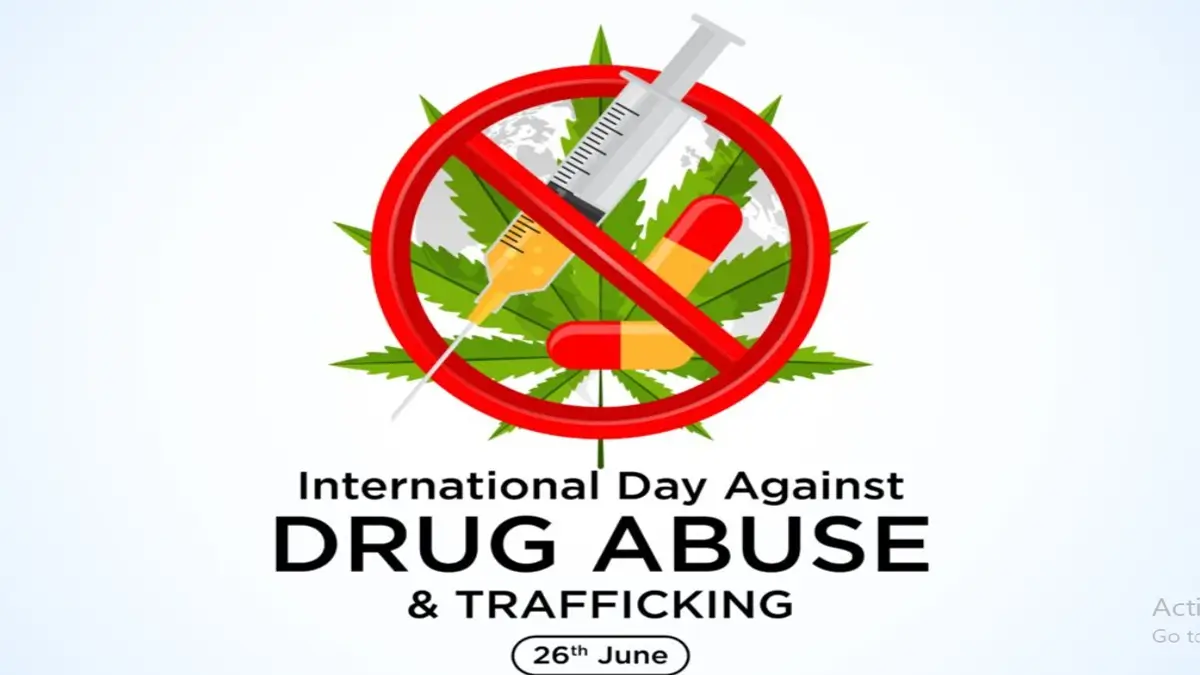
The International Day Against Drug Abuse and Illicit Trafficking, observed every year on 26 June, is a global initiative led by the United Nations to raise awareness about the harmful effects of drug abuse and the need for international cooperation in combating illicit drug trafficking. Popularly known as World Drug Day, the observance encourages governments, educational institutions, healthcare organizations, and civil society to promote prevention, rehabilitation, and evidence-based drug control policies.
The day is highly relevant for aspirants preparing for UPSC, State PSCs, SSC, Banking, Railways, Defence, Police, and Teaching examinations because questions related to important international days, UN initiatives, health, and social issues frequently appear in competitive exams.
Purpose of Observing the Day
The primary objective of the International Day Against Drug Abuse and Illicit Trafficking is to create awareness about the devastating impact of drug addiction on individuals, families, and society. Drug abuse contributes to poor health, crime, unemployment, poverty, and social instability. At the same time, illicit drug trafficking fuels organized crime, violence, corruption, and terrorism across national borders.
Through this observance, the United Nations encourages countries to adopt prevention-based approaches, strengthen healthcare systems, and improve international cooperation against illegal drug networks.
Theme for 2026
The global campaign for 2026 continues to emphasize prevention, evidence-based policies, public awareness, and stronger international cooperation to reduce drug abuse and illegal trafficking. The United Nations Office on Drugs and Crime (UNODC) also released the 2026 World Drug Report during the observance, highlighting emerging trends and policy responses.
Role of the United Nations
The United Nations General Assembly established this international observance through Resolution 42/112 in 1987. The observance is coordinated by the United Nations Office on Drugs and Crime (UNODC), which works with governments worldwide to reduce both the demand for and supply of illegal drugs.
UNODC supports countries through research, technical assistance, awareness campaigns, rehabilitation initiatives, and international cooperation against transnational organized crime.
Drug Abuse: A Global Challenge
Drug abuse remains one of the world’s major public health concerns. Millions of people suffer from substance use disorders, while many are unable to access proper treatment or rehabilitation services. The increasing availability of synthetic drugs and evolving trafficking networks present new challenges for governments and law enforcement agencies.
Drug addiction affects physical and mental health, educational outcomes, workplace productivity, and family stability. Preventive education among youth remains one of the most effective strategies for reducing drug dependence.
International Cooperation Against Drug Trafficking
Illegal drug trafficking operates across international borders and often finances organized criminal groups. Therefore, countries cooperate through intelligence sharing, border security, legal assistance, and international treaties to dismantle trafficking networks.
Organizations such as UNODC assist member states in strengthening legal frameworks, improving enforcement capacity, and promoting rehabilitation rather than relying solely on punitive measures.
Awareness Campaigns Around the World
Every year, governments, educational institutions, police departments, NGOs, healthcare organizations, and youth groups organize awareness rallies, seminars, marathons, poster competitions, social media campaigns, and community outreach programmes.
In India, several states organized anti-drug awareness runs, public campaigns, and educational activities on 26 June 2026 to encourage a drug-free society.
Relevance for Competitive Examinations
Questions related to international observances, United Nations agencies, important dates, public health initiatives, SDGs, and international organizations are frequently asked in competitive examinations. Students should remember:
- Date: 26 June
- Established by: United Nations General Assembly
- Resolution: 42/112 (1987)
- Coordinating agency: UNODC
- Objective: Prevention of drug abuse and elimination of illicit drug trafficking.

Why This News is Important
Important from the Examination Perspective
International observances are among the most frequently asked topics in UPSC, State PSC, SSC, Banking, Railways, Defence, Police, and Teaching examinations. Questions generally focus on the date, objective, organizing institution, theme, and related UN agencies.
Public Health and Internal Security
Drug abuse is not merely a health issue but also an internal security challenge. Drug trafficking strengthens organized crime, money laundering, and cross-border criminal networks. Understanding these linkages helps candidates answer questions in General Studies, Internal Security, and Social Issues.
International Cooperation
The observance highlights the importance of international cooperation under the leadership of UNODC. It demonstrates how countries collaborate through legal frameworks, intelligence sharing, and awareness programmes to address global challenges. This makes the topic relevant for International Relations and Current Affairs.
Historical Context
Origin of the Observance
The United Nations General Assembly adopted Resolution 42/112 on 7 December 1987, declaring 26 June as the International Day Against Drug Abuse and Illicit Trafficking. The observance officially began in 1989.
Historical Significance of the Date
The date also commemorates the efforts of Chinese official Lin Zexu, who led a major campaign against the illegal opium trade in Guangdong in 1839 before the First Opium War. His actions became a historic symbol of resistance against illegal narcotics and inspired the selection of 26 June for the global observance.
Key Takeaways from International Day Against Drug Abuse and Illicit Trafficking 2026
| S. No. | Key Takeaway |
|---|---|
| 1 | Observed annually on 26 June as World Drug Day. |
| 2 | Established by the UN General Assembly through Resolution 42/112 (1987). |
| 3 | Coordinated globally by the United Nations Office on Drugs and Crime (UNODC). |
| 4 | Focuses on preventing drug abuse, promoting rehabilitation, and combating illicit drug trafficking through international cooperation. |
| 5 | Highly important for UPSC, SSC, Banking, Railways, Defence, Police, State PSC, and Teaching examinations due to its relevance to international organizations, health, and current affairs. |
Frequently Asked Questions (FAQs)
1. When is the International Day Against Drug Abuse and Illicit Trafficking observed?
It is observed every year on 26 June to raise awareness about drug abuse prevention and the fight against illicit drug trafficking.
2. Which organization coordinates the International Day Against Drug Abuse and Illicit Trafficking?
The observance is coordinated by the United Nations Office on Drugs and Crime (UNODC).
3. Which UN resolution established the International Day Against Drug Abuse and Illicit Trafficking?
The day was proclaimed by the United Nations General Assembly through Resolution 42/112 on 7 December 1987.
4. Why is 26 June celebrated as World Drug Day?
The day promotes global cooperation to prevent drug abuse, reduce illicit drug trafficking, and encourage treatment and rehabilitation for affected individuals.
5. What is the objective of World Drug Day?
Its primary objective is to create awareness about the harmful effects of drugs and strengthen international efforts to eliminate illegal drug production and trafficking.
6. What is the role of UNODC in combating drug abuse?
UNODC assists countries in preventing drug abuse, supporting rehabilitation programmes, strengthening law enforcement, and combating transnational organized crime.
7. Why is drug trafficking considered a global security issue?
Drug trafficking finances organized crime, terrorism, money laundering, corruption, and cross-border criminal activities, making it a serious international security concern.
8. Which competitive examinations frequently ask questions about World Drug Day?
Questions related to World Drug Day are commonly asked in UPSC, State PSC, SSC, Banking, Railways, Defence, Police, Teaching, and other government recruitment examinations.
9. What are some measures to prevent drug abuse?
Preventive measures include public awareness campaigns, school education, family support, counselling, rehabilitation centres, strict law enforcement, and international cooperation.
10. Why is this topic important for current affairs preparation?
It combines important themes such as United Nations initiatives, international organizations, health, social issues, internal security, and important international days, making it highly relevant for competitive examinations.
Some Important Current Affairs Links