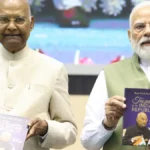









Rajasthan development projects 2025: PM Modi launches ₹1.22 lakh crore initiatives including Mahi-Banswara nuclear power, renewable energy projects, Vande Bharat trains, and employment schemes to boost growth and connectivity.
PM Modi Unveils ₹1.22 Lakh Crore Development Blitz in Rajasthan
Introduction: A Landmark Development Initiative
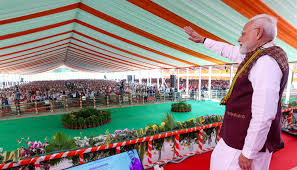
On September 25, 2025, Prime Minister Narendra Modi launched a series of transformative development projects in Banswara, Rajasthan, with a combined value exceeding ₹1.22 lakh crore. This ambitious initiative spans multiple sectors, including energy, infrastructure, water supply, and social welfare, marking a significant stride toward enhancing Rajasthan’s economic and social landscape.
Mahi-Banswara Nuclear Power Project: A Leap in Energy Security
At the heart of this development is the Mahi-Banswara Nuclear Power Project, a monumental venture valued at ₹42,000 crore. This facility, comprising four indigenous 700 MW Pressurized Heavy Water Reactors (PHWRs), is poised to become one of India’s largest nuclear power plants. It aims to bolster the nation’s energy security by providing a reliable and sustainable power supply, aligning with India’s commitment to reducing carbon emissions and promoting clean energy.
Green Energy Initiatives: Harnessing Renewable Resources
In line with India’s renewable energy goals, the Prime Minister inaugurated green energy projects worth ₹19,210 crore. These include solar power plants in Phalodi and other regions, contributing to Rajasthan’s renewable energy capacity. Additionally, power transmission works amounting to ₹13,180 crore were launched under the Renewable Energy Zone initiative, facilitating the evacuation of over 15 GW of renewable energy from the state.
Infrastructure and Connectivity: Building Robust Foundations
The development agenda also encompasses significant infrastructure projects. These include the construction of new highways, flyovers, and an elevated road from Gopalpura Bypass to Gurjar ki Thadi, aimed at alleviating traffic congestion in Jaipur. Furthermore, the Prime Minister flagged off three new Vande Bharat trains, enhancing connectivity across Rajasthan and neighboring regions.
Water Supply and Sanitation: Ensuring Sustainable Resources
Addressing water scarcity and sanitation, several projects were initiated, including the establishment of a 250-bed RBM Hospital and the implementation of drinking water schemes worth ₹5,800 crore. These initiatives aim to improve public health and provide equitable access to clean water, particularly in underserved areas.
Employment and Social Welfare: Empowering the Youth
Demonstrating a commitment to social welfare, the Prime Minister distributed 15,000 job appointment letters to youth, underscoring the government’s focus on employment generation. Additionally, beneficiaries of the PM-Kusum Scheme were recognized, highlighting the government’s efforts to promote sustainable agricultural practices and enhance the livelihoods of farmers.
Why This News Is Important
Strategic Energy Infrastructure
The establishment of the Mahi-Banswara Nuclear Power Project represents a significant advancement in India’s energy infrastructure. By increasing the share of nuclear energy in the national grid, this project contributes to energy diversification and security, reducing dependence on fossil fuels and mitigating environmental impacts.
Advancements in Renewable Energy
The inauguration of green energy projects aligns with India’s commitment to achieving 500 GW of non-fossil fuel capacity by 2030. These initiatives not only contribute to environmental sustainability but also position Rajasthan as a leader in renewable energy production, attracting investments and fostering economic growth.
Enhanced Connectivity and Infrastructure
The development of new transportation corridors and the introduction of Vande Bharat trains are pivotal in improving regional connectivity. These projects facilitate smoother movement of people and goods, stimulate economic activities, and enhance the overall quality of life for residents.
Improved Water Supply and Sanitation
The implementation of comprehensive water supply and sanitation projects addresses critical issues related to water scarcity and public health. By ensuring access to clean water and improved sanitation facilities, these initiatives contribute to the well-being of communities and support sustainable development goals.
Employment Generation and Social Upliftment
The distribution of job appointment letters and the recognition of agricultural beneficiaries reflect the government’s commitment to inclusive development. These measures empower individuals, particularly the youth and farmers, fostering socio-economic growth and reducing disparities.
Historical Context
Previous Development Initiatives
Prior to this initiative, Rajasthan has witnessed various development projects aimed at improving infrastructure and public services. Notable among these is the Eastern Rajasthan Canal Project (ERCP), which has been instrumental in enhancing irrigation facilities across the state. The current projects build upon these foundations, aiming for more comprehensive and sustainable development.
Evolution of Nuclear Energy in India
India’s journey in nuclear energy began in the mid-20th century, with the establishment of its first nuclear power plant in Tarapur. Over the decades, the country has expanded its nuclear energy capabilities, with the Mahi-Banswara project marking a significant milestone in this progression. This development underscores India’s commitment to advancing nuclear technology and ensuring energy security.
Growth of Renewable Energy Sector
India’s renewable energy sector has experienced significant growth, driven by policy support and technological advancements. The country’s ambitious targets for renewable energy capacity, including the 500 GW goal by 2030, reflect a strategic shift towards sustainable energy sources. Rajasthan’s initiatives contribute to this national vision, positioning the state as a key player in the renewable energy landscape.
Key Takeaways from ‘PM Modi Unveils ₹1.22 Lakh Crore Development Blitz in Rajasthan’
| S.No | Key Takeaway |
|---|---|
| 1 | Mahi-Banswara Nuclear Power Project: A ₹42,000 crore initiative comprising four 700 MW PHWRs, enhancing India’s nuclear energy capacity. |
| 2 | Green Energy Projects: Inauguration of solar power plants and transmission works worth ₹32,390 crore, advancing Rajasthan’s renewable energy infrastructure. |
| 3 | Infrastructure Developments: Launch of new highways, flyovers, and Vande Bharat trains to improve regional connectivity and alleviate traffic congestion. |
| 4 | Water Supply and Sanitation: Implementation of projects worth ₹5,800 crore to provide clean drinking water and improve sanitation facilities. |
| 5 | Employment Initiatives: Distribution of 15,000 job appointment letters and recognition of PM-Kusum Scheme beneficiaries, promoting youth employment and agricultural sustainability. |
FAQs: Frequently Asked Questions
1. What is the total value of the development projects launched by PM Modi in Rajasthan?
PM Modi launched development projects worth ₹1.22 lakh crore in Banswara, Rajasthan, covering energy, infrastructure, water supply, and social welfare sectors.
2. What is the Mahi-Banswara Nuclear Power Project, and why is it significant?
It is a ₹42,000 crore nuclear energy project with four 700 MW PHWRs, aimed at boosting India’s nuclear energy capacity and energy security.
3. Which green energy initiatives were launched alongside these projects?
Solar power plants in Phalodi and other regions, along with power transmission works under the Renewable Energy Zone initiative, totaling ₹32,390 crore.
4. How are transportation and connectivity being enhanced in Rajasthan?
New highways, flyovers, an elevated road in Jaipur, and three Vande Bharat trains have been introduced to improve regional connectivity.
5. What employment initiatives were undertaken during the event?
PM Modi distributed 15,000 job appointment letters and recognized PM-Kusum Scheme beneficiaries to promote youth employment and agricultural sustainability.
6. How are water supply and sanitation addressed in these projects?
Drinking water schemes worth ₹5,800 crore and a 250-bed RBM hospital were launched to improve water accessibility and sanitation in underserved areas.
7. How does this development initiative impact India’s renewable energy goals?
It contributes to India’s commitment to achieving 500 GW of non-fossil fuel energy capacity by 2030 and positions Rajasthan as a key player in renewable energy.
8. When was the first nuclear power plant in India established?
India’s first nuclear power plant was established in Tarapur in the mid-20th century.
9. How does the infrastructure development benefit local communities?
Enhanced highways, trains, and flyovers improve connectivity, stimulate economic activities, and improve the overall quality of life.
10. Why is this news important for government exam preparation?
The news highlights government policies, energy projects, infrastructure plans, employment initiatives, and social welfare schemes—all important for current affairs sections in exams like UPSC, PSCs, Banking, Railways, and Defence exams.
Some Important Current Affairs Links