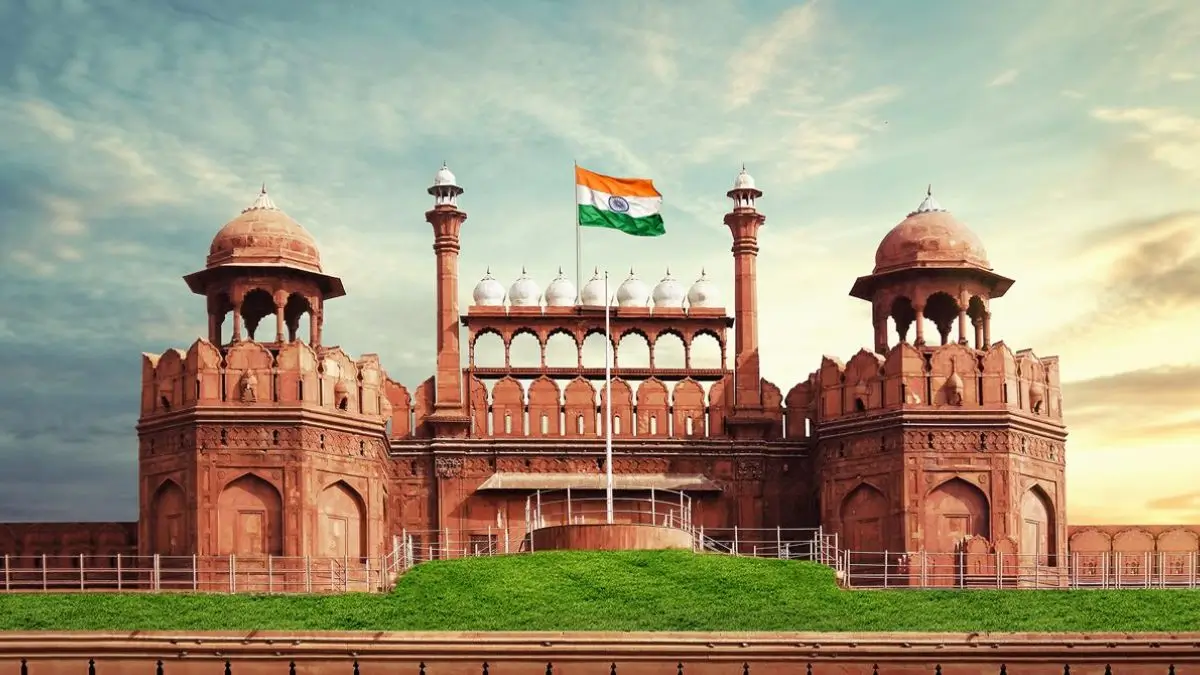






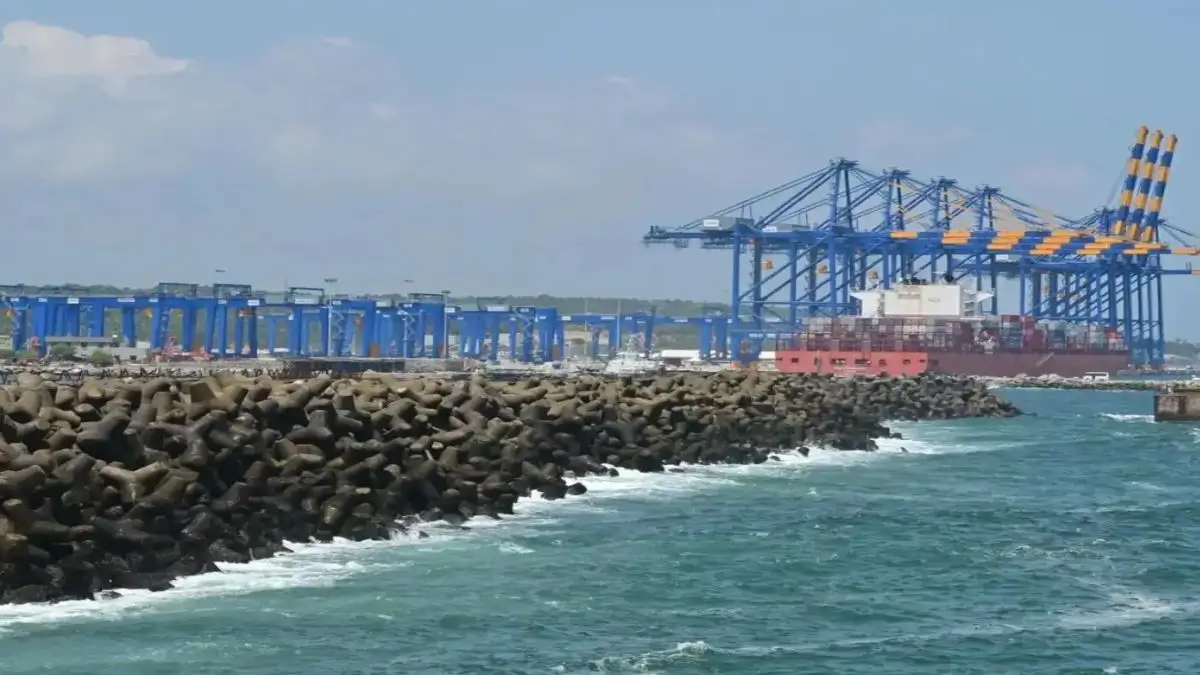
India e Visa entry ports have increased to 88 after 11 new international ports were added, including Bhopal and Tirupati airports and nine land ports.
Government Expands E-Visa Entry Network
The Government of India has notified 11 additional international ports for the entry of foreign nationals holding valid Indian e-Visas. The latest expansion takes the total number of designated international entry points for e-Visa holders to 88. The new additions comprise two airports and nine land ports, broadening access for eligible international travellers arriving in India.
Two Airports Added to the E-Visa Network
The two newly designated airports are Bhopal Airport in Madhya Pradesh and Tirupati Airport in Andhra Pradesh. Their inclusion expands e-Visa access beyond India’s traditionally prominent international gateways and gives foreign visitors additional options for reaching important destinations in central and southern India.
Nine Land Ports Receive E-Visa Entry Facility
The nine newly notified land entry points are Agartala, Darranga, Gede, Ghojadanga, Haridaspur, Jaigaon, Dawki, Moreh and Attari (Road). These crossings connect India with neighbouring countries including Bangladesh, Bhutan, Myanmar and Pakistan, making the development particularly relevant to India’s border connectivity and immigration framework.
India Now Has 88 Designated E-Visa Entry Points
Following the latest expansion, the 88 designated international ports comprise 37 airports, 38 seaports and 13 land ports. The expansion provides e-Visa holders with entry options across air, maritime and land routes, making the electronic visa system more accessible to eligible foreign travellers.
E-Visa Supports Easier International Travel
The Ministry of Home Affairs has described the expansion as part of wider efforts to liberalise, streamline and simplify India’s visa regime. The government is seeking to facilitate legitimate foreign travel while simultaneously strengthening technological infrastructure associated with immigration and internal security.
E-Visa Facility Has Expanded Significantly Since 2014
India introduced its e-Visa facility in 2014 to simplify visa procedures for international visitors. According to the government statement, the facility was initially introduced for nationals of 43 countries and has subsequently expanded to nationals of 172 countries. Around 95% of e-Visa applications are processed within 72 hours, highlighting the growing role of digital systems in India’s visa administration.
E-Visa Becomes an Important Part of India’s Visa System
The latest expansion also demonstrates the increasing importance of electronic visas in India’s overall visa framework. The government has stated that e-Visas account for approximately 78% of the total visas issued by India. The wider network of entry points can support tourism, business travel and other legitimate international movement while reducing dependence on a limited number of gateways.
Importance for Government Exam Aspirants
For government exam candidates, this development is important for Current Affairs, Indian Polity and Governance, International Relations, Internal Security, Tourism and Geography. Aspirants should remember the key figures: 11 new international ports, 88 total e-Visa entry points, 37 airports, 38 seaports and 13 land ports. The Ministry of Home Affairs is the key ministry associated with the notification.

Why this News is Important
Significance for India’s Visa Policy
The expansion of e-Visa entry points reflects India’s continuing efforts to make its visa system more accessible and efficient. By allowing eligible foreign nationals to enter through additional airports and land borders, India is broadening the practical usefulness of its digital visa system. This is particularly relevant for a country seeking to strengthen tourism, business connectivity and international mobility.
Importance for Tourism and Foreign Travel
A larger network of e-Visa entry points can make India more convenient for international visitors. Foreign travellers can potentially select entry gateways closer to their intended destinations instead of relying only on major metropolitan airports. This can support tourism in regions connected through newly designated airports and border crossings.
Relevance to Internal Security
The measure is not solely about facilitating travel. The government has linked the simplification of the visa regime with improvements in technological infrastructure for internal security. A digitally managed visa system allows immigration authorities to combine easier legitimate travel with structured screening and immigration procedures.
Important Facts for Competitive Examinations
The announcement contains several factual points that can appear in SSC, Banking, Railways, Defence, Police, Teaching, PCS and UPSC examinations. The most important figures are 11 newly notified ports and 88 total designated e-Visa entry points. The final composition—37 airports, 38 seaports and 13 land ports—is especially useful for objective-type questions.
Wider Digital Governance Perspective
The development also illustrates how digital technology is being integrated into public administration. India’s e-Visa system represents the use of online applications, electronic processing and technology-enabled immigration management to simplify international travel while maintaining security requirements. Therefore, the news is relevant not only to tourism but also to questions concerning e-governance and digital public administration.
Historical Context
Introduction of India’s E-Visa Facility
India introduced the e-Visa facility in 2014 as part of efforts to liberalise and simplify its visa regime. The system initially covered nationals of 43 countries and has progressively expanded in terms of eligible nationalities, visa categories and designated entry points.
Expansion of Digital Visa Services
Over the years, India has progressively broadened the scope of its electronic visa system. Various categories have been developed to accommodate different types of international visitors, including tourists, business travellers, students, medical visitors and other eligible groups. This expansion reflects the government’s wider shift toward technology-enabled immigration services.
Expansion of Maritime Entry Points
The expansion has not been limited to airports. In 2026, India also increased e-Visa access through additional seaports. In April 2026, the Ministry of Home Affairs notified 14 additional seaports as Immigration Check Posts for e-Visa holders, extending the network across several coastal states.
Latest Expansion to 88 Entry Points
The August 2026 notification represents another major step in this process. With 11 additional international ports, India’s e-Visa entry network now covers 88 points: 37 airports, 38 seaports and 13 land ports. The new land gateways also increase the importance of international border connectivity in the country’s electronic visa framework.
Broader Government Objective
The government has stated that its broader objective is to liberalise and streamline the visa regime while facilitating legitimate foreign travel and strengthening technological infrastructure for internal security. Thus, India’s e-Visa expansion combines ease of travel, digital governance, tourism promotion and immigration security.
Key Takeaways from India’s E-Visa Entry Expansion
| S. No. | Key Takeaway |
|---|---|
| 1 | India has notified 11 additional international ports for entry of eligible foreign nationals holding e-Visas. |
| 2 | The total number of designated international ports for e-Visa entry has increased to 88. |
| 3 | The 88 entry points comprise 37 airports, 38 seaports and 13 land ports. |
| 4 | The two newly added airports are Bhopal and Tirupati, while nine land ports were also added. |
| 5 | India introduced its e-Visa facility in 2014, and the facility has expanded from nationals of 43 countries initially to nationals of 172 countries. |
Frequently Asked Questions (FAQs)
1. How many new international ports have been added for e-Visa entry in India?
India has added 11 new international ports for entry by eligible foreign nationals holding valid Indian e-Visas.
2. What is the total number of designated e-Visa entry points in India?
After the latest expansion, India has 88 designated international entry points for e-Visa holders.
3. How are the 88 e-Visa entry points distributed?
The 88 designated entry points comprise 37 airports, 38 seaports and 13 land ports.
4. Which two airports have been newly added for e-Visa entry?
The newly added airports are Bhopal Airport in Madhya Pradesh and Tirupati Airport in Andhra Pradesh.
5. Which land ports have been added to the e-Visa entry network?
The nine newly added land ports are Agartala, Darranga, Gede, Ghojadanga, Haridaspur, Jaigaon, Dawki, Moreh and Attari (Road).
6. Which ministry is responsible for the latest e-Visa entry notification?
The latest expansion is associated with the Ministry of Home Affairs (MHA).
7. When did India introduce its e-Visa facility?
India introduced its e-Visa facility in 2014 to simplify visa procedures for eligible foreign visitors.
8. How many countries were initially covered when India’s e-Visa facility was introduced?
The e-Visa facility was initially introduced for nationals of 43 countries.
9. Nationals of how many countries are currently covered by India’s e-Visa facility?
According to the government information cited in the news, the facility has expanded to nationals of 172 countries.
10. What is the importance of e-Visa expansion for India?
The expansion aims to facilitate legitimate international travel, support tourism and business connectivity, simplify visa procedures and strengthen technology-enabled immigration management.
Some Important Current Affairs Links