








Women’s reservation bill 2026 failure explained with reasons, constitutional hurdles, delimitation issue, and impact on women representation for UPSC and competitive exams.
Setback for Women’s Representation: Women’s Reservation Bill 2026 Fails in Lok Sabha
Introduction to the Women’s Reservation Bill 2026
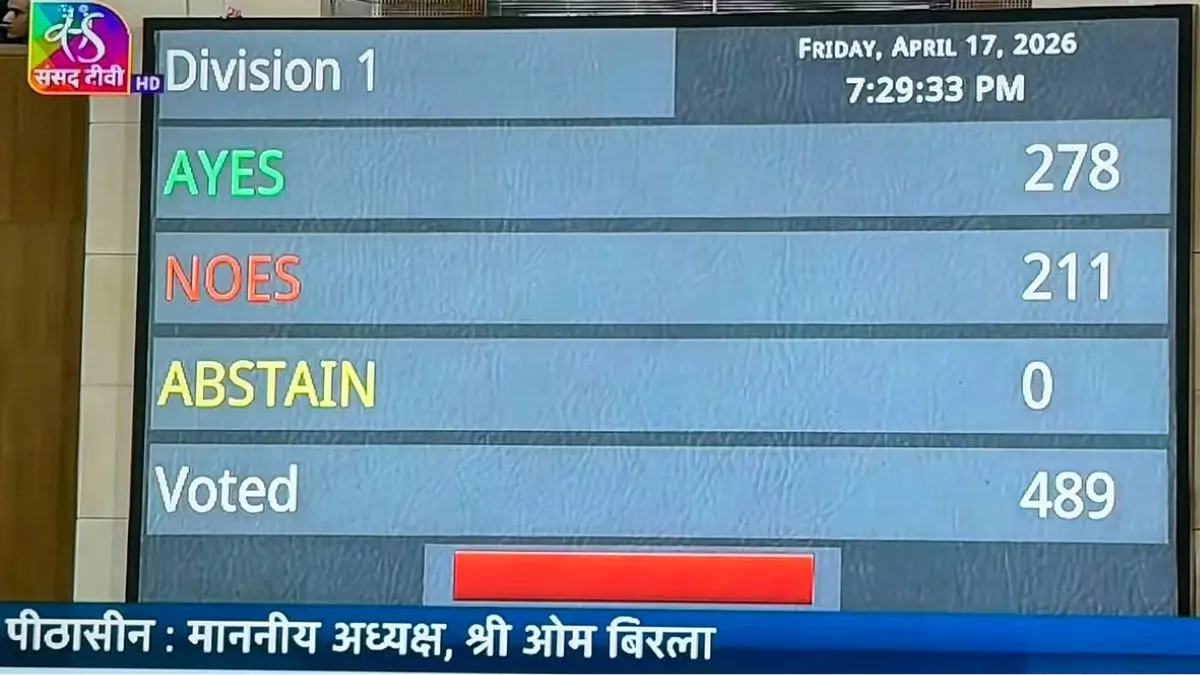
The Women’s Reservation Bill 2026, officially known as the Constitution (131st Amendment) Bill, faced a major setback after it failed to pass in the Lok Sabha. The bill aimed to reserve 33% of seats for women in Parliament and state legislative assemblies, a long-pending reform intended to enhance gender representation in Indian politics. Despite receiving more votes in favour than against, the bill could not meet the mandatory two-thirds majority requirement, leading to its rejection.
Voting Outcome and Constitutional Requirement
The bill received 298 votes in favour and 230 against, falling short of the required threshold of around 360 votes needed for constitutional amendments.
In India, constitutional amendments require:
- Two-thirds majority of members present and voting
- At least 50% of the total strength of the House
This strict requirement ensures that major constitutional changes are backed by broad political consensus. However, in this case, the bill failed despite having majority support, highlighting the complexities of legislative procedures.
Role of Delimitation in the Bill’s Failure
One of the most significant reasons behind the failure was the controversy surrounding delimitation, which refers to the redrawing of electoral boundaries based on population changes.
The government linked women’s reservation with delimitation reforms, which sparked strong opposition. Critics argued that:
- It could shift political power between regions
- Southern states might lose representation
- The move could alter electoral dynamics
This linkage prevented consensus among political parties and became a key factor in the bill’s defeat.
Political Reactions and Debate
The debate around the bill revealed sharp political divisions:
- The government, led by Prime Minister Narendra Modi, described the bill as a historic step toward women’s empowerment.
- Opposition leaders supported women’s reservation in principle but opposed its linkage with delimitation, calling it politically motivated.
This intense political disagreement ultimately prevented the bill from achieving the required majority in Parliament.
Implications for Women’s Representation
The failure of the bill delays efforts to increase women’s participation in governance. Currently:
- Women constitute only around 14% of Lok Sabha members
- Representation in state assemblies is even lower
The rejection of the bill highlights the challenges in achieving gender parity in political institutions and raises questions about future reform strategies.

Why This News is Important
Impact on Gender Equality in Politics
The failure of the Women’s Reservation Bill 2026 is significant because it directly affects efforts to improve gender equality in political representation. Women make up nearly half of India’s population but remain underrepresented in legislative bodies. The bill was expected to correct this imbalance by ensuring adequate participation of women in policymaking. Its rejection delays progress toward inclusive governance.
Understanding Constitutional Amendment Process
This news is crucial for exam aspirants as it highlights the importance of constitutional provisions. The requirement of a two-thirds majority demonstrates how difficult it is to amend the Constitution, ensuring stability but also making reforms challenging. It provides a real-world example of how constitutional rules impact policy outcomes.
Political and Electoral Implications
The controversy over delimitation shows how electoral reforms can influence political power distribution. The linkage of women’s reservation with delimitation created regional and political tensions. This reflects the complexity of policymaking in a diverse country like India.
Relevance for Competitive Exams
This topic is highly relevant for exams like UPSC, SSC, Banking, and State PSCs as it covers:
- Indian Polity
- Constitutional amendments
- Women empowerment
- Parliamentary procedures
Historical Context of Women’s Reservation in India
Origins of the Women’s Reservation Demand
The idea of reserving seats for women in legislatures dates back to the 1990s. Multiple attempts were made to pass such a bill, but lack of political consensus led to repeated failures.
Previous Legislative Efforts
- The Women’s Reservation Bill was first introduced in 1996 but lapsed multiple times.
- In 2010, it was passed in the Rajya Sabha but not in the Lok Sabha.
- In 2023, the Nari Shakti Vandan Adhiniyam was enacted, promising 33% reservation but linking implementation to census and delimitation.
Recent Developments Leading to 2026 Bill
The 2026 amendment aimed to accelerate implementation by overcoming delays linked to census and delimitation. However, political disagreements once again prevented its passage.
Key Takeaways from This News
| S.No. | Key Takeaway |
|---|---|
| 1 | Women’s Reservation Bill 2026 aimed to reserve 33% seats for women in Parliament and state assemblies. |
| 2 | The bill failed despite majority support due to lack of two-thirds majority required for constitutional amendments. |
| 3 | Delimitation controversy was a major reason for political opposition and failure of the bill. |
| 4 | Women’s representation in Indian legislatures remains low, around 14% in Lok Sabha. |
| 5 | The issue is highly relevant for exams covering polity, governance, and women empowerment. |
FAQs: Women’s Reservation Bill 2026
1. What was the main objective of the Women’s Reservation Bill 2026?
The bill aimed to reserve 33% of seats for women in the Lok Sabha and state legislative assemblies to improve gender representation in Indian politics.
2. Why did the Women’s Reservation Bill 2026 fail?
The bill failed because it did not secure the mandatory two-thirds majority required for constitutional amendments in Parliament, despite having a simple majority.
3. What is the two-thirds majority requirement in Parliament?
For a constitutional amendment, at least two-thirds of members present and voting, along with a majority of the total strength of the House, must support the bill.
4. What is delimitation and why was it controversial?
Delimitation refers to the redrawing of electoral constituencies based on population. The linkage of reservation with delimitation created political disagreements, especially among states.
5. What is the current representation of women in the Lok Sabha?
Women constitute approximately 14% of the Lok Sabha, which is relatively low compared to global standards.
6. What is the Nari Shakti Vandan Adhiniyam?
It is a law passed earlier to provide 33% reservation for women, but its implementation is linked to future census and delimitation exercises.
7. Why is women’s political representation important?
It ensures inclusive governance, better policy-making, and balanced representation of societal interests.
8. How is this topic relevant for competitive exams?
It is important for Indian Polity, Governance, Women Empowerment, and Constitutional Amendments, which are core subjects in UPSC, SSC, Banking, and State PSC exams.
Some Important Current Affairs Links