




Solomon Islands prime minister removed after no-confidence motion succeeded in Parliament. Learn about Jeremiah Manele political crisis, China’s influence in Pacific Islands, Indo-Pacific geopolitics, and key current affairs for UPSC, SSC, Banking, Railways, Defence, and PSC exams.
Solomon Islands Prime Minister Voted Out After No-Confidence Motion Succeeds
Political Crisis Unfolds in the Solomon Islands
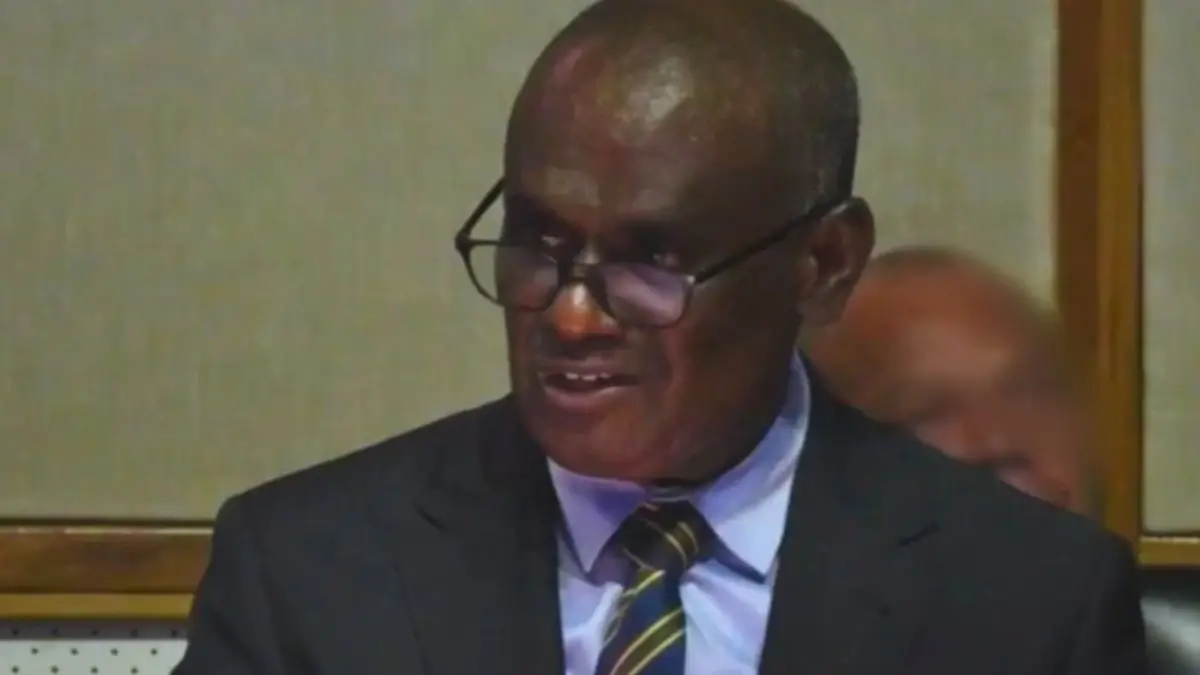
The Pacific island nation of the Solomon Islands witnessed a major political development after Prime Minister Jeremiah Manele lost a no-confidence motion in Parliament. The motion succeeded with 26 lawmakers voting in favour of removing him from office, while 22 lawmakers voted against the motion. Two members were absent during the voting process.
This political event has attracted international attention because the Solomon Islands has become strategically important in the Indo-Pacific region due to its growing relations with China and its geopolitical importance near Australia and the Pacific Ocean region.
Reasons Behind the No-Confidence Motion
The crisis began after several cabinet ministers resigned from the government in March 2026. More than a dozen ministers reportedly defected from the ruling coalition and joined opposition groups. These resignations weakened the government and created instability within Parliament.
Opposition lawmakers accused Prime Minister Jeremiah Manele of weak leadership, poor governance, and failing to maintain unity within the coalition government. Allegations related to corruption and political mismanagement also became part of the debate during the parliamentary proceedings.
The motion was introduced by Member of Parliament Frederick Kologeto of the People’s First Party. Political analysts noted that the defections and coalition collapse played a decisive role in the fall of the government.
Constitutional and Parliamentary Developments
Initially, Prime Minister Manele reportedly delayed recalling Parliament, which triggered legal and constitutional controversy in the country. Courts later ordered the government to convene Parliament and allow the no-confidence motion to be debated.
The Chief Justice ruled that delaying Parliament in such circumstances violated constitutional duties. This decision reinforced democratic and parliamentary accountability in the Solomon Islands.
According to the Constitution of the Solomon Islands, a Prime Minister can be removed through a no-confidence motion passed by an absolute majority in Parliament.
Impact on Regional Geopolitics
The political change is significant because the Solomon Islands has become an important centre of strategic competition between China and Western countries such as Australia and the United States.
As Foreign Minister in 2022, Jeremiah Manele signed a controversial security agreement with China. This agreement created concerns among Western powers, especially Australia and the United States, who feared growing Chinese influence in the Pacific region.
However, Manele later attempted to balance relations by engaging with Australia and other regional partners. Analysts believe that the leadership change may affect future diplomatic relations and security arrangements in the Pacific.
What Happens Next?
After the successful no-confidence motion, Parliament was adjourned to allow political parties and lawmakers to nominate candidates for the next Prime Minister. Jeremiah Manele will continue in a caretaker role until a new leader is officially elected.
Possible contenders for the top position include opposition leader Matthew Wale and former Foreign Minister Peter Shannel Agovaka. Political negotiations among coalition groups are expected to continue before the final leadership vote.
The event highlights the fragile nature of coalition politics in Pacific island nations and demonstrates how parliamentary systems can remove governments through constitutional procedures.

Why this News is Important
Important for International Relations and Geopolitics
The removal of the Solomon Islands Prime Minister is important because the country plays a crucial role in the geopolitical competition taking place in the Indo-Pacific region. The Solomon Islands lies in a strategically important maritime zone, making it significant for global powers like China, Australia, and the United States.
For government exam aspirants, this topic is relevant under international relations, world politics, and current affairs related to the Indo-Pacific region. Questions can be asked about China’s influence in the Pacific, regional security agreements, and political instability in island nations.
Important for Understanding Parliamentary Democracy
The incident also demonstrates how parliamentary democracy functions in countries following the Westminster model of governance. A no-confidence motion is an important democratic mechanism through which lawmakers can remove a government that loses majority support in Parliament.
This topic is highly useful for polity sections in competitive exams like UPSC, SSC, Banking, Railways, Defence, State PSCs, and teaching examinations. Students can understand concepts such as coalition politics, constitutional accountability, parliamentary majority, and judicial intervention in democratic systems.
Important for Current Affairs Preparation
The Solomon Islands issue may also appear in examination questions related to international organizations, regional diplomacy, constitutional law, and global strategic affairs. Aspirants preparing for interviews and descriptive papers can use this example to explain how domestic political changes influence international relations and foreign policy.
The event also shows how smaller nations have become important players in global power competition between major countries.
Historical Context
Political Instability in the Solomon Islands
The Solomon Islands has experienced repeated political instability and leadership changes since gaining independence from United Kingdom in 1978. Coalition governments are common in the country, and Prime Ministers often face challenges in maintaining parliamentary support.
No-confidence motions have become a regular feature of politics in the country. Several previous Prime Ministers have also faced similar parliamentary challenges.
Shift from Taiwan to China
A major turning point came in 2019 when the Solomon Islands switched diplomatic recognition from Taiwan to China under former Prime Minister Manasseh Sogavare. This decision increased China’s political and economic influence in the country.
The move created internal political divisions and international concerns. In 2022, the Solomon Islands signed a security pact with China, further increasing tensions with Australia and the United States.
Recent Political Developments
Jeremiah Manele became Prime Minister in 2024 after national elections. Although he was viewed as more moderate compared to previous leaders, his government eventually faced internal coalition disputes and ministerial resignations.
The 2026 no-confidence motion reflects continuing political instability and intense geopolitical competition in the Pacific region.
Key Takeaways from Solomon Islands PM No-Confidence Motion
| S.No. | Key Takeaway |
|---|---|
| 1 | Solomon Islands Prime Minister Jeremiah Manele lost a no-confidence motion by 26-22 votes in Parliament. |
| 2 | The political crisis began after mass cabinet resignations and coalition defections in March 2026. |
| 3 | Courts ordered Parliament to convene after the Prime Minister delayed the session. |
| 4 | The Solomon Islands is strategically important due to growing Chinese influence in the Pacific region. |
| 5 | The event highlights the role of parliamentary democracy and coalition politics in constitutional governance. |
FAQs on Solomon Islands Prime Minister No-Confidence Motion
1. Who was removed as the Prime Minister of Solomon Islands?
Jeremiah Manele was removed as the Prime Minister of the Solomon Islands after losing a no-confidence motion in Parliament.
2. What is a no-confidence motion?
A no-confidence motion is a parliamentary procedure used to test whether the government still has majority support in the legislature. If the motion passes, the government must resign.
3. How many votes were cast against Jeremiah Manele?
Jeremiah Manele lost the vote by 26 votes to 22 in the 50-member Parliament, while two lawmakers were absent.
4. Why did the political crisis begin in Solomon Islands?
The crisis began after mass cabinet resignations and defections of coalition partners in March 2026, weakening the government’s majority.
5. Which country has increased its influence in the Solomon Islands in recent years?
China has significantly increased its political and strategic influence in the Solomon Islands, especially after the 2019 diplomatic shift from Taiwan to China.
6. Why is the Solomon Islands strategically important?
The Solomon Islands is strategically located in the Pacific Ocean near Australia, making it important in Indo-Pacific geopolitics and regional security competition.
7. Which agreement increased global attention on Solomon Islands?
The 2022 security pact signed between Solomon Islands and China increased international attention and concerns among Australia and the United States.
8. Who moved the no-confidence motion against Jeremiah Manele?
The motion was moved by Frederick Kologeto, Member of Parliament from South Vella Lavella and leader associated with the People’s First Party.
9. What type of government system does Solomon Islands follow?
The Solomon Islands follows a parliamentary democratic system based on the Westminster model.
10. Why is this topic important for competitive exams?
This topic is important for exams because it covers international relations, parliamentary democracy, Indo-Pacific geopolitics, constitutional procedures, and China-Pacific relations.
Some Important Current Affairs Links