






Operation Sindoor anniversary 2026 highlights India’s military tribute, counter terrorism strategy, Pahalgam terror attack response, defence technology, and key current affairs for UPSC, SSC, Banking, Railways, Defence and State PSC exams.
Introduction to Operation Sindoor
India recently commemorated one year of Operation Sindoor, a major military operation launched in May 2025 in response to the deadly terror attack in Pahalgam, Jammu and Kashmir. The anniversary was marked with tributes to the Indian Armed Forces, social media campaigns by political leaders, and renewed discussions on India’s counter-terrorism strategy.
Operation Sindoor became one of the most significant military responses undertaken by India in recent years. The operation showcased India’s growing military preparedness, technological strength, and policy of zero tolerance towards terrorism. For students preparing for competitive examinations such as UPSC, SSC, Banking, Railways, Defence, Police, and State PSC exams, this development is important from the perspective of internal security, defence technology, international relations, and national security policy.
Background of the Pahalgam Terror Attack
The operation was launched after the terror attack in Pahalgam on April 22, 2025, where 26 civilians lost their lives. The attack shocked the nation and intensified demands for strict action against terrorist groups operating from across the border.
Following the attack, the Indian government authorized the armed forces to conduct a coordinated military response targeting terror infrastructure located in Pakistan and Pakistan-occupied Kashmir (PoK). The mission was designed to destroy terror launchpads and training centers while maintaining strategic restraint.
Execution of Operation Sindoor
Operation Sindoor was launched on May 7, 2025. According to reports, Indian forces conducted precision airstrikes on nine terror infrastructures across the border. The operation involved the Indian Air Force, advanced drones, missiles, and electronic warfare systems.
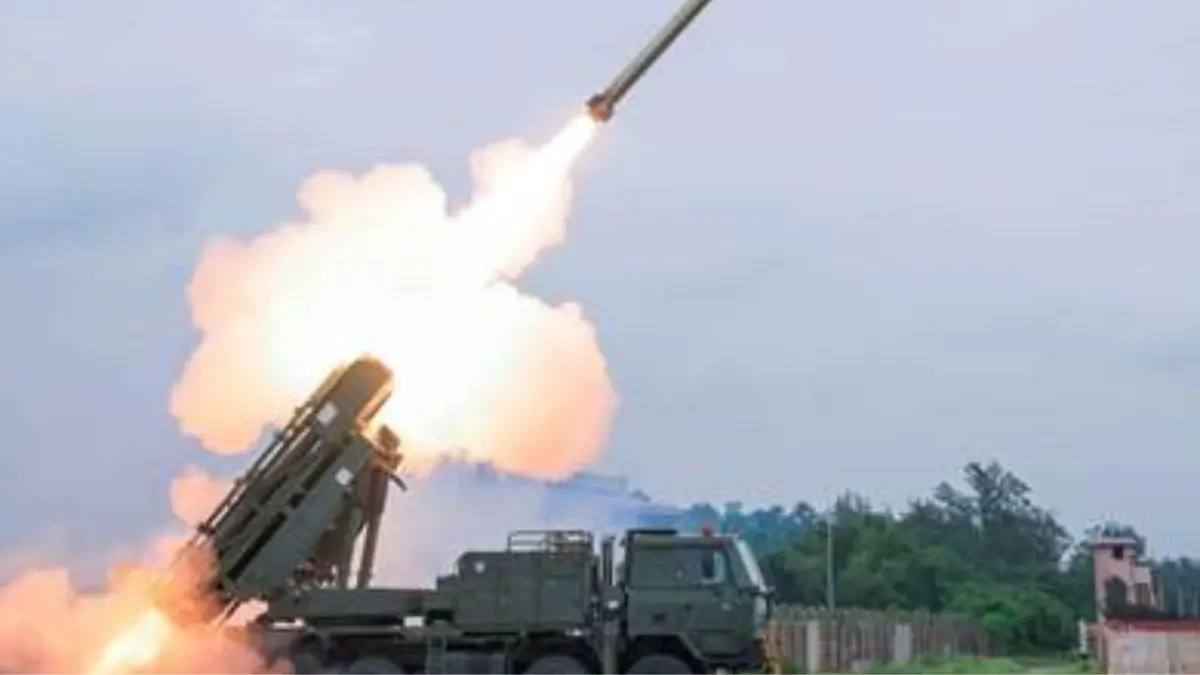
Advanced fighter aircraft such as Rafale jets reportedly used SCALP cruise missiles and HAMMER precision-guided bombs during the strikes. Indigenous defence systems, including BrahMos missiles and drone technologies, also played a crucial role in the operation.
The operation reflected India’s transition towards technology-driven warfare. Military experts highlighted that the use of drones, electronic intelligence, and precision targeting represented a new phase in India’s defence doctrine.
Military Achievements and Strategic Outcomes
Senior defence officials later stated that the operation significantly damaged terror infrastructure and weakened Pakistan’s military preparedness. Reports suggested that multiple airfields and military assets were targeted during the broader campaign.
The operation also demonstrated improved coordination among the Army, Air Force, intelligence agencies, and cyber warfare units. Defence analysts described Operation Sindoor as a landmark event that reshaped India’s military strategy towards rapid retaliation and integrated warfare systems.
India’s growing emphasis on self-reliance in defence manufacturing also gained attention after the operation. Indigenous missile systems, drones, and surveillance technologies were widely discussed as symbols of the success of the “Atmanirbhar Bharat” initiative in the defence sector.
One-Year Commemoration and National Tribute
On the first anniversary of Operation Sindoor, Prime Minister Narendra Modi and several Union ministers changed their social media display pictures to honour the armed forces. The gesture was aimed at recognizing the bravery and sacrifices of Indian soldiers.
Tributes were paid across the country, and the operation was highlighted as an example of India’s firm stance against terrorism. Defence officials and political leaders reiterated the importance of maintaining national security and strengthening military preparedness.
The anniversary also revived discussions on India’s evolving defence doctrine, especially its focus on proactive responses, technological modernization, and integrated military operations.
Significance for Competitive Exams
Operation Sindoor is highly relevant for competitive examination aspirants because it covers multiple syllabus areas such as:
- Internal security and terrorism
- India-Pakistan relations
- Defence modernization
- Indigenous defence technology
- National security doctrine
- Role of armed forces
- Government initiatives in defence manufacturing
Questions related to important military operations, defence exercises, and counter-terrorism strategies are frequently asked in UPSC, CDS, CAPF, SSC GD, State PCS, and Defence recruitment examinations.

Why this News is Important
Importance from Internal Security Perspective
Operation Sindoor is important because it reflects India’s evolving counter-terrorism strategy. The operation demonstrated India’s willingness to take strong action against terror infrastructure beyond its borders following attacks on civilians. This is highly relevant for examinations covering internal security and national defence topics.
The operation highlighted the role of intelligence gathering, coordinated military action, and technological superiority in tackling terrorism. It also emphasized the importance of national preparedness against cross-border threats.
Importance for Defence and Strategic Studies
The operation is viewed as a major turning point in India’s defence doctrine. Analysts observed that India increasingly relies on precision strikes, drone warfare, electronic warfare, and integrated military operations.
For students preparing for defence-related examinations, understanding such operations helps in analyzing India’s changing military capabilities and strategic posture in South Asia.
Importance for International Relations
Operation Sindoor also influenced India-Pakistan relations and global discussions on counter-terrorism. India projected the operation as part of its zero-tolerance approach towards terrorism and sought international support against terror networks.
Such developments are important for understanding regional geopolitics, diplomatic strategies, and international security issues.
Importance for Current Affairs Preparation
Military operations, security doctrines, and defence modernization initiatives are regularly asked in government examinations. Aspirants must remember the date, purpose, technology used, and significance of Operation Sindoor for prelims and descriptive examinations.
The topic is also useful for essay writing, interview discussions, and mains examination answers related to national security and defence reforms.
Historical Context
India’s History of Counter-Terror Operations
India has faced cross-border terrorism for several decades, especially in Jammu and Kashmir. Over the years, India has adopted various military and diplomatic measures to respond to terror attacks.
Major terror incidents such as the 2001 Parliament attack, the 2008 Mumbai attacks, the 2016 Uri attack, and the 2019 Pulwama attack significantly shaped India’s security policies.
Evolution of India’s Military Response
After the Uri attack in 2016, India conducted surgical strikes across the Line of Control. In 2019, following the Pulwama attack, India launched the Balakot airstrikes targeting terror camps in Pakistan.
Operation Sindoor is seen as part of this evolving strategy where India increasingly uses precision military operations to counter cross-border terrorism.
Rise of Technology-Driven Warfare
Modern warfare increasingly depends on drones, surveillance systems, cyber warfare, artificial intelligence, and precision-guided weapons. Operation Sindoor reflected India’s adoption of these advanced technologies in military operations.
The operation also accelerated India’s push toward indigenous defence manufacturing and modernization under the Atmanirbhar Bharat initiative.
Key Takeaways from Operation Sindoor Anniversary
| S.No. | Key Takeaway |
|---|---|
| 1 | Operation Sindoor was launched by India on May 7, 2025, after the Pahalgam terror attack. |
| 2 | Indian forces targeted terror infrastructure in Pakistan and Pakistan-occupied Kashmir using precision strikes. |
| 3 | Advanced technologies such as drones, Rafale jets, SCALP missiles, and HAMMER bombs were reportedly used. |
| 4 | The operation highlighted India’s zero-tolerance policy against terrorism and growing defence modernization. |
| 5 | The first anniversary was marked with nationwide tributes to the Indian Armed Forces and renewed focus on national security. |
FAQs on Operation Sindoor Anniversary
1. What is Operation Sindoor?
Operation Sindoor was a military operation launched by India on May 7, 2025, in response to the Pahalgam terror attack in Jammu and Kashmir.
2. Why was Operation Sindoor launched?
The operation was launched after terrorists attacked civilians in Pahalgam on April 22, 2025, leading to the death of 26 people.
3. Which areas were targeted during Operation Sindoor?
Indian armed forces reportedly targeted terror infrastructure and launchpads located in Pakistan and Pakistan-occupied Kashmir (PoK).
4. Which branches of the Indian Armed Forces participated in the operation?
The operation involved coordinated efforts by the Indian Air Force, Army, intelligence agencies, and electronic warfare units.
5. Which advanced weapons were reportedly used in Operation Sindoor?
Reports mentioned the use of Rafale fighter jets, SCALP cruise missiles, HAMMER bombs, drones, and electronic warfare systems.
6. Why is Operation Sindoor important for competitive exams?
The operation is important for topics related to internal security, defence technology, India-Pakistan relations, terrorism, and military modernization.
7. What does India’s “zero tolerance against terrorism” policy mean?
It refers to India’s strategy of taking strict action against terrorist activities and terror infrastructure without compromise.
8. What is the significance of precision strikes in modern warfare?
Precision strikes help target enemy infrastructure accurately while minimizing collateral damage and civilian casualties.
9. Which previous Indian military operations are often compared with Operation Sindoor?
Operation Sindoor is often compared with the 2016 Surgical Strikes and the 2019 Balakot Airstrike.
10. What is the role of indigenous defence technology in Operation Sindoor?
The operation highlighted India’s growing use of indigenous defence systems under the Atmanirbhar Bharat initiative.
Some Important Current Affairs Links