







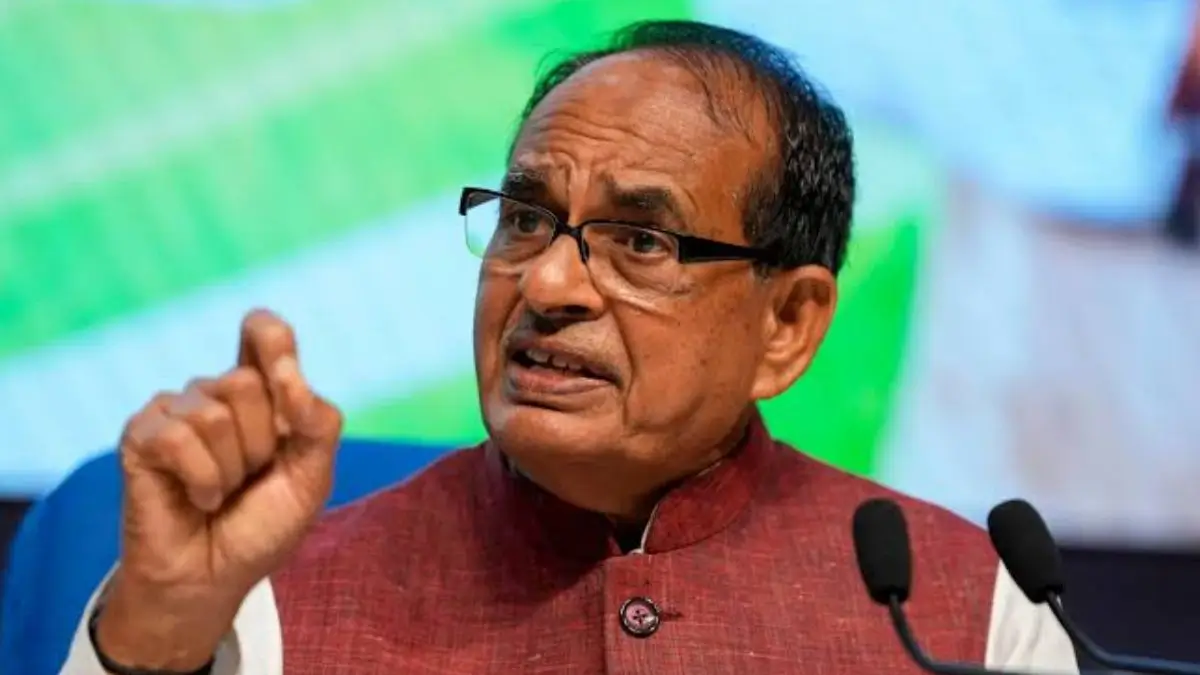
PRAGATI Project Key Features explained in detail with objectives, benefits, regenerative agriculture, rural entrepreneurship, key facts, historical background, MCQs, FAQs, and exam-oriented notes for UPSC, PSC, SSC, Banking, Railways, Defence, and other government exams.
Union Government Launches PRAGATI Project
The Government of India has launched the PRAGATI (Promoting Regenerative Agriculture, Growth, Agri-Entrepreneurship and Transformative Innovation) Project to strengthen India’s agricultural sector through sustainable farming, rural entrepreneurship, digital technologies and climate-resilient agricultural practices. The initiative was launched by Union Agriculture and Farmers’ Welfare and Rural Development Minister Shivraj Singh Chouhan as a multi-partner programme aimed at improving the income and livelihoods of small and marginal farmers.
Objective of the PRAGATI Project
The primary objective of the PRAGATI Project is to transform Indian agriculture from a production-centric model into an income-centric and sustainability-focused ecosystem. The programme aims to empower 20,000 rural agri-entrepreneurs while directly benefiting nearly 20 lakh small and marginal farmers across the country.
The initiative seeks to bridge the gap between modern agricultural technology and farmers by ensuring better access to scientific farming methods, mechanisation, financial services, advisory support and improved market connectivity.
Key Features of the PRAGATI Project
The PRAGATI Project focuses on several important areas that are expected to modernise Indian agriculture:
- Promotion of regenerative and climate-resilient farming practices.
- Development of 20,000 rural agri-entrepreneurs.
- Improvement in crop diversification and value addition.
- Greater adoption of digital agriculture and technology-based advisory services.
- Better access to mechanisation and modern farming equipment.
- Strengthening market linkages and financial inclusion for farmers.
- Encouraging sustainable agricultural practices to protect natural resources.
Benefits for Farmers
The project is expected to improve farmers’ income by reducing cultivation costs and increasing productivity. Through crop diversification and value addition, farmers can access new markets and earn better prices for their produce.
Additionally, digital advisory services will help farmers make informed decisions regarding crop selection, irrigation, pest management and weather-related risks. Financial inclusion and improved access to institutional support will further strengthen rural livelihoods.
Focus on Rural Entrepreneurship
One of the unique aspects of the PRAGATI Project is its emphasis on creating rural agri-entrepreneurs. These trained entrepreneurs will serve as local resource persons, helping farmers adopt modern technologies, access government schemes and improve farm management practices.
This approach is expected to generate employment opportunities in rural areas while reducing dependence on traditional farming alone.
Importance of Regenerative Agriculture
Regenerative agriculture forms the foundation of the PRAGATI Project. Unlike conventional farming, regenerative agriculture focuses on restoring soil fertility, conserving water, increasing biodiversity and reducing environmental degradation.
Such practices contribute to climate resilience and help farmers maintain productivity even under changing climatic conditions.
Role of Technology
Digital technologies such as mobile advisory services, precision farming tools, mechanisation and data-driven decision-making will play an important role in implementing the project. Technology will enable farmers to receive timely information related to weather, crop health, market prices and government support programmes.
Significance for Competitive Examinations
The PRAGATI Project is highly relevant for UPSC, State PSC, SSC, Banking, NABARD, Agriculture Officer, Railways and various state-level recruitment examinations. Questions may be asked regarding its objectives, beneficiaries, regenerative agriculture, rural entrepreneurship and sustainable farming practices.

B) Why this News is Important
Important Government Initiative for Agriculture
The launch of the PRAGATI Project represents a significant policy initiative aimed at improving the long-term sustainability and profitability of Indian agriculture. Agriculture remains the primary source of livelihood for a large section of India’s population, making reforms in this sector highly important for economic development.
Supports Climate-Resilient Agriculture
Climate change has increased the frequency of droughts, floods and unpredictable weather conditions. By promoting regenerative agriculture and climate-resilient farming practices, the PRAGATI Project seeks to reduce farmers’ vulnerability while ensuring sustainable agricultural production.
Promotes Rural Employment
The initiative aims to create 20,000 agri-entrepreneurs, generating employment opportunities for rural youth. This aligns with the government’s broader objective of promoting entrepreneurship and reducing rural unemployment.
Relevant for Government Exams
Government examinations frequently include questions on newly launched government schemes, agricultural reforms, sustainable development, climate change and rural development programmes. Candidates preparing for UPSC, State PSC, NABARD, Agriculture Officer, SSC, Banking and Railways should thoroughly understand the objectives and features of the PRAGATI Project.
C) Historical Context
Evolution of Agricultural Reforms in India
Since the Green Revolution of the 1960s, India has significantly increased food grain production. However, challenges such as declining soil fertility, fragmented landholdings, water scarcity, rising input costs and climate change have continued to affect farmers.
Over the years, the Government of India has introduced several initiatives including Soil Health Cards, PM-KISAN, PM Fasal Bima Yojana, Digital Agriculture Mission and natural farming programmes to improve agricultural productivity and farmers’ welfare.
The PRAGATI Project represents the next phase of agricultural transformation by integrating sustainability, entrepreneurship, digital innovation and regenerative farming into one comprehensive framework. It reflects India’s growing emphasis on making agriculture environmentally sustainable while enhancing farmers’ income and rural economic development.
D) Key Takeaways from This News
Key Takeaways from PRAGATI Project
| S.No. | Key Takeaway |
|---|---|
| 1 | PRAGATI stands for Promoting Regenerative Agriculture, Growth, Agri-Entrepreneurship and Transformative Innovation. |
| 2 | The project aims to empower 20,000 rural agri-entrepreneurs. |
| 3 | Nearly 20 lakh small and marginal farmers are expected to benefit. |
| 4 | The initiative promotes regenerative agriculture, climate resilience, digital farming and value addition. |
| 5 | The project is important for UPSC, State PSC, SSC, Banking, Railways, NABARD and Agriculture-related competitive examinations. |
FAQs: PRAGATI Project – Frequently Asked Questions
1. What is the PRAGATI Project?
The PRAGATI Project (Promoting Regenerative Agriculture, Growth, Agri-Entrepreneurship and Transformative Innovation) is a Government of India initiative aimed at promoting sustainable agriculture, climate-resilient farming, rural entrepreneurship, and digital agricultural solutions to improve farmers’ livelihoods.
2. Who launched the PRAGATI Project?
The PRAGATI Project was launched by Union Agriculture and Farmers’ Welfare and Rural Development Minister Shivraj Singh Chouhan.
3. What is the primary objective of the PRAGATI Project?
Its primary objective is to transform Indian agriculture through regenerative farming, technology adoption, rural entrepreneurship, and improved market access while increasing farmers’ income.
4. How many farmers are expected to benefit from the PRAGATI Project?
The project aims to directly benefit approximately 20 lakh small and marginal farmers across India.
5. How many rural agri-entrepreneurs will be developed under the project?
The initiative plans to create and support 20,000 rural agri-entrepreneurs.
6. What is regenerative agriculture?
Regenerative agriculture is a farming approach that restores soil health, conserves water, improves biodiversity, reduces greenhouse gas emissions, and enhances long-term agricultural sustainability.
7. How will technology support the PRAGATI Project?
The project promotes digital agriculture through weather advisories, precision farming, mechanization, digital extension services, and market information systems to help farmers make informed decisions.
8. Why is the PRAGATI Project important for competitive exams?
Government schemes related to agriculture, climate resilience, rural development, and entrepreneurship are frequently asked in UPSC, State PSC, SSC, Banking, NABARD, Agriculture Officer, Railways, and other government examinations.
9. Which ministry is associated with the PRAGATI Project?
The project is associated with the Ministry of Agriculture and Farmers’ Welfare and the Ministry of Rural Development.
10. Which Sustainable Development Goals (SDGs) does the PRAGATI Project support?
The project contributes to several SDGs, including:
SDG 15 – Life on Land
SDG 1 – No Poverty
SDG 2 – Zero Hunger
SDG 8 – Decent Work and Economic Growth
SDG 12 – Responsible Consumption and Production
SDG 13 – Climate Action
Some Important Current Affairs Links