






Rathindra Bose West Bengal Speaker news explained with constitutional importance, historical background, MCQs, FAQs, and key takeaways for UPSC, SSC, Banking, Railway, Defence, PSC and teaching exams.
Introduction to the Development
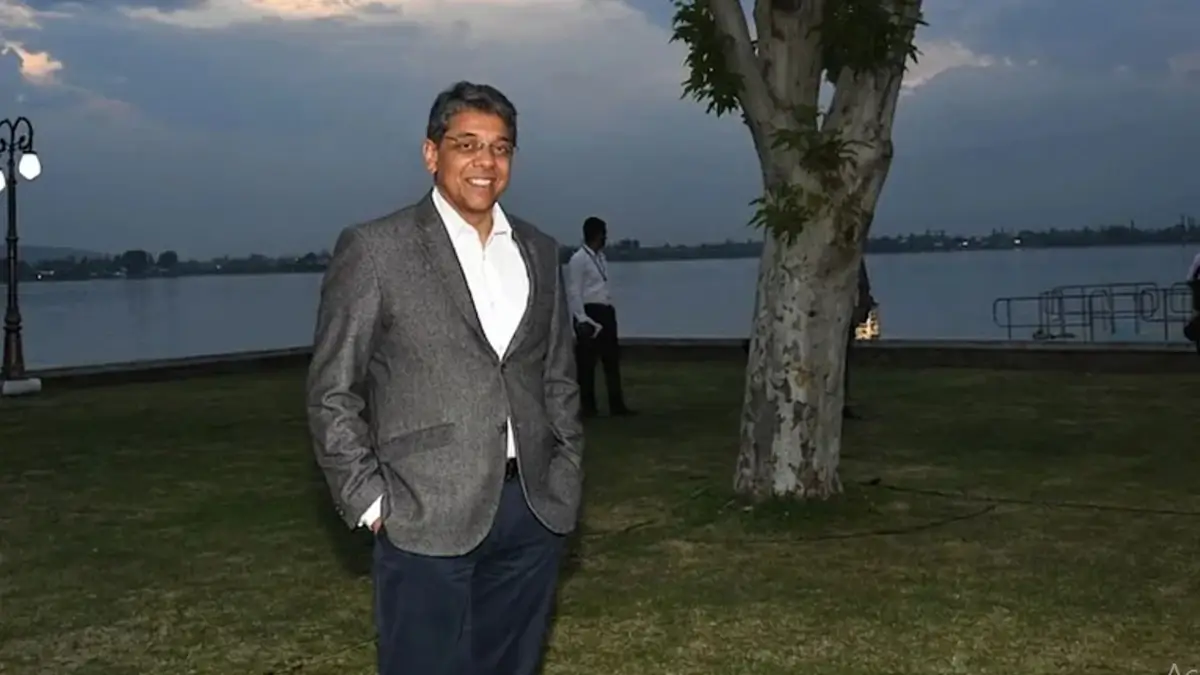
In a significant political development, Rathindra Bose was elected unopposed as the Speaker of the 18th West Bengal Legislative Assembly. The election took place during the inaugural session of the newly constituted Assembly after the 2026 West Bengal Assembly elections. Bose, a first-time MLA from the Cooch Behar Dakshin constituency, secured the post with unanimous support after the opposition decided not to field any candidate against him.
Role of the Speaker in a Legislative Assembly
The Speaker is one of the most important constitutional authorities in a state legislature. The Speaker presides over Assembly proceedings, ensures discipline inside the House, conducts debates according to constitutional rules, and decides procedural matters. The office of the Speaker is considered impartial and central to the functioning of parliamentary democracy in India.
Under the Indian Constitution, the Speaker also plays a key role in:
- Conducting legislative business smoothly
- Maintaining order during debates
- Deciding on disqualification matters under the Anti-Defection Law
- Allowing motions, resolutions, and discussions
- Protecting the rights and privileges of MLAs
For competitive examinations such as UPSC, SSC, Banking, Railway, PSCs, Defence, and Teaching exams, understanding the constitutional role of the Speaker is highly important.
How Rathindra Bose Was Elected
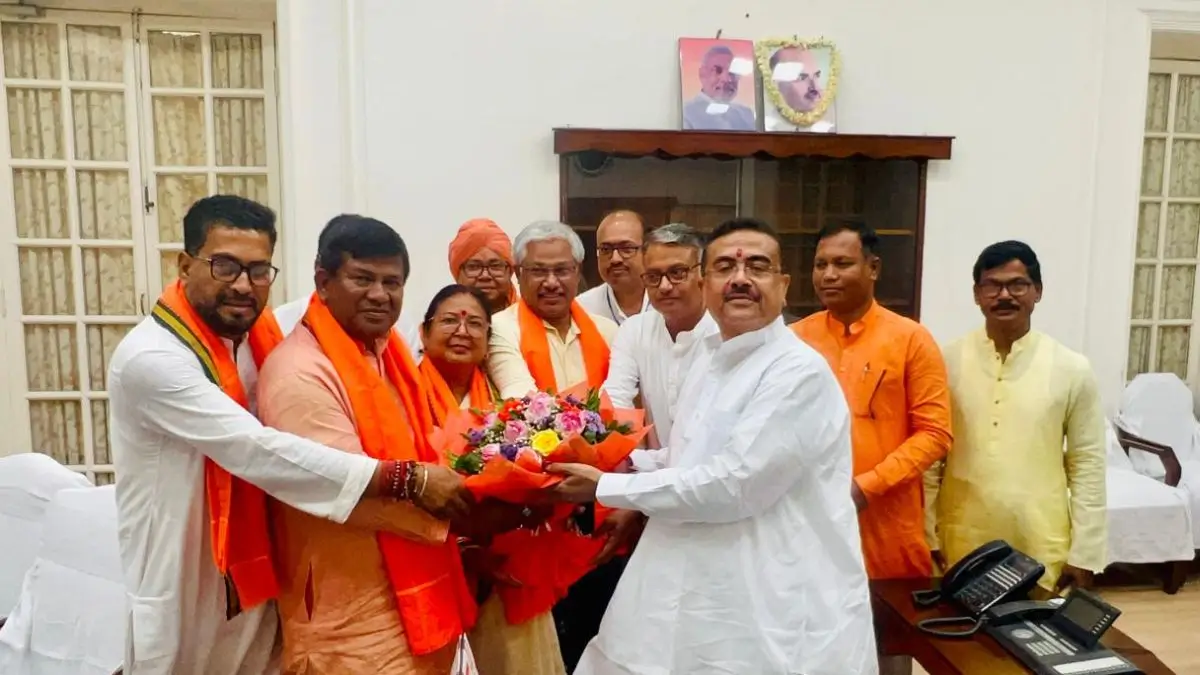
The name of Rathindra Bose was proposed in the Assembly by Suvendu Adhikari. The proceedings were conducted by Pro Tem Speaker Tapas Roy, who supervised the voice vote process.
Since no opposition party nominated a rival candidate, Bose was elected unanimously. The ruling BJP, which secured a dominant majority of 207 seats in the 294-member Assembly, ensured smooth passage of the election process.
Historic Achievement for North Bengal
The election of Rathindra Bose is considered historic because he became the first MLA from North Bengal in post-Independence history to occupy the Speaker’s chair in the West Bengal Legislative Assembly. Political observers view this development as a strategic recognition of North Bengal’s growing political importance.
North Bengal has increasingly emerged as an influential political region in the state over the last decade. By appointing a leader from the region to such a high constitutional office, the ruling dispensation has sent a message regarding regional representation and political inclusion.
Professional and Political Background of Rathindra Bose
Before entering active legislative politics, Rathindra Bose worked as a Chartered Accountant. He has been associated with the Sangh Parivar and the BJP organization for many years and is regarded as a loyal organizational worker.
Bose won the Cooch Behar Dakshin Assembly seat during the 2026 elections. His administrative understanding, financial background, and organizational experience were highlighted by senior BJP leaders while announcing his candidature for the Speaker’s post.
Importance of the West Bengal Legislative Assembly
The West Bengal Legislative Assembly is a unicameral legislature consisting of 294 elected members. It is responsible for making laws on subjects listed in the State List and Concurrent List under the Indian Constitution.
Major functions of the Assembly include:
- Passing the state budget
- Making state laws
- Holding the government accountable
- Debating public issues
- Reviewing policies and governance
The smooth functioning of the Assembly depends significantly on the neutrality and efficiency of the Speaker.
Political Significance of the Election
The unanimous election of Rathindra Bose reflects political consensus during the opening phase of the new Assembly. It also highlights the BJP’s strong numerical position in the House after the recent elections.
Chief Minister Suvendu Adhikari emphasized the need for constructive opposition and transparent legislative functioning after Bose’s election. Reports also suggested that live telecasts of Assembly sessions may be promoted to improve transparency and democratic participation.
Constitutional Importance for Competitive Exams
Questions related to the Speaker of Legislative Assemblies frequently appear in government examinations. Aspirants should remember the following constitutional points:
- The Speaker is elected by members of the Legislative Assembly.
- The Speaker presides over Assembly sessions.
- The Speaker’s office derives authority from Articles 178 to 181 of the Indian Constitution.
- A Pro Tem Speaker is appointed temporarily before the election of the permanent Speaker.
- The Speaker plays an important role in anti-defection proceedings.
This development is therefore highly relevant for current affairs preparation across various competitive examinations.

Why This News is Important
Importance from Constitutional Perspective
The election of Rathindra Bose is important because the Speaker is one of the key constitutional authorities in India’s parliamentary system. Questions related to constitutional posts frequently appear in UPSC, State PSC, SSC, Banking, Railways, and Defence examinations.
The office of the Speaker ensures democratic functioning inside the legislature. The Speaker’s neutrality and authority help maintain discipline, conduct debates, and protect legislative procedures. Therefore, any appointment to this office becomes important from an examination and governance perspective.
Importance from Political Perspective
This election also carries major political significance because Rathindra Bose became the first leader from North Bengal to hold this constitutional post in post-Independence West Bengal. The development reflects the increasing political importance of North Bengal in state politics.
The unanimous election without opposition also demonstrated political consensus during the beginning of the Assembly’s tenure. Such developments often become part of polity and governance-related questions in competitive exams.
Importance for Current Affairs Preparation
Current affairs related to state legislatures, constitutional posts, and political developments are commonly asked in prelims and interview stages of examinations. Students should remember:
- Name of the Speaker
- State concerned
- Constitutional role of Speaker
- Assembly strength
- Historical significance of the appointment
This topic integrates polity, governance, constitutional law, and current affairs, making it highly valuable for aspirants.
Historical Context
Evolution of the Speaker’s Office in India
The office of the Speaker originated from the British parliamentary system and was adopted in India after Independence. The Speaker acts as the guardian of parliamentary traditions and legislative procedures.
In India, both Parliament and State Legislative Assemblies have Speakers who conduct proceedings and maintain order. The constitutional provisions regarding the Speaker are mentioned under Articles 93 and 178 for Parliament and State Legislatures respectively.
History of the West Bengal Legislative Assembly
The West Bengal Legislative Assembly is one of India’s oldest state legislatures. It functions as a unicameral body with 294 seats.
Over decades, several prominent political leaders have served as Speakers of the Assembly. However, before Rathindra Bose’s election, no MLA from North Bengal had occupied the Speaker’s chair after Independence. This made the 2026 election historically significant.
Rise of North Bengal in State Politics
North Bengal has witnessed growing political influence over the last decade due to changing electoral dynamics. The region has become strategically important in state politics because of its demographic diversity and electoral significance.
The appointment of a Speaker from this region reflects broader political attempts to strengthen regional representation within state governance structures.
Key Takeaways from This News
| S.No. | Key Takeaway |
|---|---|
| 1 | Rathindra Bose was elected unopposed as Speaker of the 18th West Bengal Assembly. |
| 2 | He is a BJP MLA from Cooch Behar Dakshin constituency and a first-time legislator. |
| 3 | Rathindra Bose became the first MLA from North Bengal to hold the Speaker’s post in post-Independence West Bengal. |
| 4 | The Speaker conducts Assembly proceedings and maintains legislative discipline under constitutional provisions. |
| 5 | The West Bengal Legislative Assembly is a unicameral legislature with 294 members. |
FAQs Related to Rathindra Bose Elected as Speaker of West Bengal Assembly
1. Who is Rathindra Bose?
Rathindra Bose is a BJP MLA from the Cooch Behar Dakshin constituency who was elected unopposed as the Speaker of the 18th West Bengal Legislative Assembly in 2026.
2. Which constitutional article deals with the Speaker of the State Legislative Assembly?
Articles 178 to 181 of the Indian Constitution deal with the Speaker and Deputy Speaker of the State Legislative Assembly.
3. What is the main role of the Speaker in a Legislative Assembly?
The Speaker presides over Assembly proceedings, maintains discipline, conducts debates, and ensures smooth legislative functioning.
4. What is meant by “elected unopposed”?
“Elected unopposed” means no other candidate contested the election against the nominated person.
5. Which constituency does Rathindra Bose represent?
Rathindra Bose represents the Cooch Behar Dakshin Assembly constituency in West Bengal.
6. Why is Rathindra Bose’s election historically significant?
He became the first MLA from North Bengal to become Speaker of the West Bengal Legislative Assembly after Independence.
7. What is a Pro Tem Speaker?
A Pro Tem Speaker is a temporary Speaker appointed to conduct proceedings until the permanent Speaker is elected.
8. How many members are there in the West Bengal Legislative Assembly?
The West Bengal Legislative Assembly has 294 members.
9. Which political party formed the government in West Bengal after the 2026 Assembly elections?
The Bharatiya Janata Party (BJP) formed the government after securing a majority in the Assembly.
10. Why is this topic important for competitive exams?
This topic is important because questions related to constitutional posts, legislative assemblies, and current political developments are frequently asked in UPSC, SSC, PSC, Banking, Railways, Defence, and Teaching exams.
Some Important Current Affairs Links