







States Included in the Western Ghats
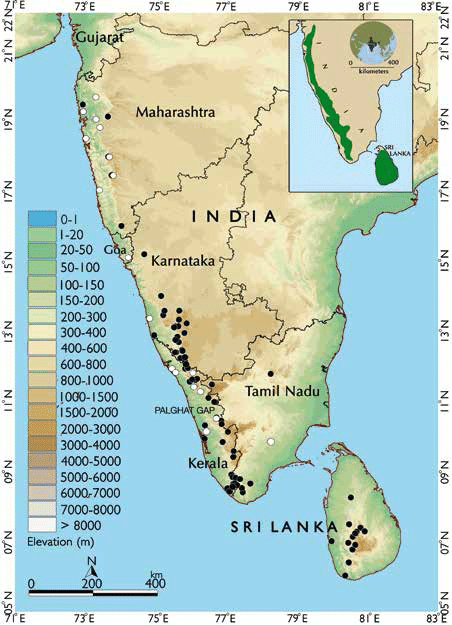
The Western Ghats, also known as the Sahyadri Hills, is a mountain range that runs parallel to the western coast of India. This UNESCO World Heritage Site is one of the world’s ten “Hottest biodiversity hotspots,” known for its rich flora and fauna. Recently, there have been updates on the states included in the Western Ghats region, which is significant for various competitive exams.
Significance of the Western Ghats
The Western Ghats are crucial for maintaining the ecological balance of the region. They influence the Indian monsoon weather patterns, and are home to numerous endemic species. The region’s rich biodiversity and the presence of critical habitats make it a key area for conservation efforts.
States in the Western Ghats
The states included in the Western Ghats are Gujarat, Maharashtra, Goa, Karnataka, Kerala, and Tamil Nadu. Each state has a unique part of the Ghats with distinct ecological characteristics and biodiversity. These states benefit immensely from the ecosystem services provided by the Western Ghats, including water resources, climate regulation, and tourism opportunities.
Gujarat
Gujarat marks the northernmost point of the Western Ghats. The Dang region and surrounding areas host diverse flora and fauna, contributing to the state’s ecological and cultural heritage.
Maharashtra
Maharashtra’s portion of the Western Ghats includes several important hill stations like Lonavala and Mahabaleshwar. The region is also famous for its dense forests, which are home to various wildlife sanctuaries and national parks.
Goa
Goa, though small in size, has a rich portion of the Western Ghats that contributes to its lush landscapes and biodiversity. The state’s forests are crucial for the local environment and tourism.
Karnataka
Karnataka’s Western Ghats are known for their dense forests and biodiversity hotspots, including the Nilgiri Biosphere Reserve. The state’s Western Ghats are vital for water resources, feeding numerous rivers.
Kerala
Kerala boasts the lushest and most diverse parts of the Western Ghats. This region includes the famous Silent Valley and the Periyar Wildlife Sanctuary, crucial for both ecological balance and tourism.
Tamil Nadu
In Tamil Nadu, the Western Ghats include parts of the Nilgiri Hills, Anamalai Hills, and the Palani Hills. These areas are known for their unique biodiversity and are significant for conservation efforts.
Why This News is Important
Environmental Impact
Understanding the states included in the Western Ghats is essential for environmental conservation. These regions play a vital role in maintaining India’s biodiversity and ecological health. The recognition and preservation efforts can help mitigate climate change effects and protect endangered species.
Competitive Exam Relevance
For students preparing for government exams, especially those related to environmental science, geography, and general knowledge, this information is crucial. Knowing the geographical spread and significance of the Western Ghats can aid in answering related questions accurately.
Policy and Governance
The inclusion of specific states in the Western Ghats influences regional policies and conservation strategies. Government schemes and international funding often focus on these areas, impacting local governance and development projects.
Socio-Economic Benefits
The Western Ghats significantly impact the socio-economic conditions of the regions they cover. Understanding their role can help in appreciating the broader economic benefits derived from tourism, agriculture, and forestry.
Historical Context
UNESCO World Heritage Site
In 2012, the Western Ghats were designated as a UNESCO World Heritage Site. This recognition brought international attention to the region’s ecological significance and the need for its conservation.
Biodiversity Hotspot
The Western Ghats have been identified as one of the world’s top ten biodiversity hotspots. This status highlights the region’s rich biodiversity, including many endemic species of plants, animals, birds, and insects.
Conservation Efforts
Over the years, numerous conservation initiatives have been undertaken to protect the Western Ghats. These include the establishment of wildlife sanctuaries, national parks, and biosphere reserves aimed at preserving the region’s unique ecosystems.
Key Takeaways from States Included in the Western Ghats
| Serial No. | Key Takeaway |
|---|---|
| 1 | The Western Ghats span six Indian states: Gujarat, Maharashtra, Goa, Karnataka, Kerala, and Tamil Nadu. |
| 2 | The Western Ghats are crucial for India’s biodiversity, housing numerous endemic species. |
| 3 | The region influences Indian monsoon patterns and supports significant water resources. |
| 4 | Designated as a UNESCO World Heritage Site in 2012, highlighting its global ecological importance. |
| 5 | Conservation efforts in the Western Ghats are essential for maintaining ecological balance and supporting socio-economic benefits. |
Important FAQs for Students from this News
What is the Western Ghats?
The Western Ghats is a mountain range that runs parallel to the western coast of India. It is known for its rich biodiversity and ecological significance.
Which states are included in the Western Ghats?
The Western Ghats span six Indian states: Gujarat, Maharashtra, Goa, Karnataka, Kerala, and Tamil Nadu.
Why are the Western Ghats important?
The Western Ghats are crucial for maintaining India’s biodiversity, influencing monsoon patterns, and providing water resources. They are also home to many endemic species.
When were the Western Ghats designated as a UNESCO World Heritage Site?
The Western Ghats were designated as a UNESCO World Heritage Site in 2012.
What are some key conservation efforts in the Western Ghats?
Conservation efforts include the establishment of wildlife sanctuaries, national parks, and biosphere reserves aimed at preserving the unique ecosystems of the Western Ghats.
Some Important Current Affairs Links