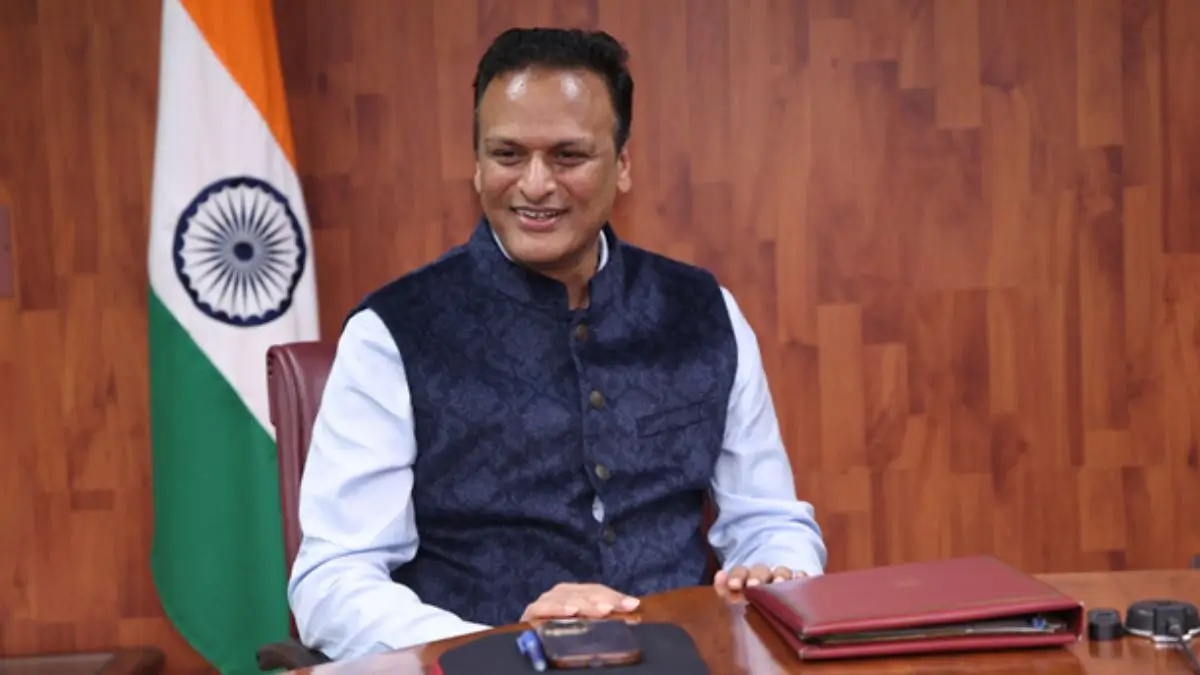







NCERT deemed university status enables degree programs, research, and curriculum reforms, aligning with NEP 2020 and enhancing India’s education system.
NCERT Gets Deemed University Status: A Major Reform in India’s Education System
The National Council of Educational Research and Training (NCERT) has been officially declared a “deemed to be university” by the Ministry of Education, Government of India. This historic decision was notified on 30 March 2026 under Section 3 of the University Grants Commission (UGC) Act, 1956, placing NCERT in a distinct category of academic institutions.
Before this, NCERT’s primary role was to develop school curriculum, textbooks, and teacher training materials for school education. With the new status, the council transitions from a policy and curriculum body to a degree‑granting higher education institution — a shift that has significant implications for students, teachers, researchers, and the broader education ecosystem.
What the New Status Means
The deemed university status empowers NCERT to independently design and offer academic programmes including diploma, undergraduate, postgraduate, doctoral, and specialised degree courses in education and related fields. It also brings the institution under the regulatory umbrella of the UGC, which ensures that all academic programmes meet national quality standards.
Moreover, NCERT now has the autonomy to establish its own research programmes and award degrees, which was not possible when it functioned solely as a curriculum development body. This change enables the council to play a more direct role in shaping educational research, evidence‑based policy development, and teacher education at advanced levels.
Expansion of Institutional Role
Under this reform, NCERT’s six constituent units — including the Regional Institutes of Education (RIEs) located in Ajmer, Bhopal, Bhubaneswar, Mysuru, and Shillong, as well as the Pandit Sunderlal Sharma Central Institute of Vocational Education (PSSCIVE) in Bhopal — also come under the deemed university framework. These units previously affiliated with different universities will now operate under NCERT’s unified academic structure.
This evolution is seen as a strategic step towards bridging school education with higher education and research, allowing India’s education system to better align with global academic standards and future educational needs.

Why This News Is Important for Exam Aspirants
Broadens the Scope of NCERT
For students preparing for government exams (like UPSC, SSC, Banking, Teacher Recruitment, State PCS, Railways, etc.), this notification marks a significant shift in how the education system functions. NCERT, historically known for curriculum and textbook development, now has the authority to design and award degrees — making it a pivotal institution in shaping educational policies as well as academic standards in India.
Boosts Educational Research and Policy Formulation
The upgrade to deemed university status means NCERT can now conduct advanced research, especially in areas such as teacher education, learning methodologies, assessment reforms, and evidence‑based policy planning. This expands its role from a supportive agency to a research‑driven academic powerhouse, useful for aspirants targeting education policy, academia, and administrative services.
Improves Career Opportunities in Education Sector
This transition can create new academic and professional opportunities for students interested in education sector careers — from teaching to curriculum design, educational leadership, and research roles. Aspirants for teacher eligibility tests and education services will especially benefit.
Aligns With NEP 2020 Reform Goals
The shift aligns with the National Education Policy (NEP) 2020 directions, which focus on breaking silos between school education and higher education, promoting holistic learning, and fostering critical thinking and innovation — key topics for competitive exams.
Enhances Academic Autonomy
Under UGC regulation, NCERT now enjoys academic autonomy, which means it can create its own syllabi, set admission standards, and collaborate internationally — making the institution more dynamic and globally connected, a crucial development for questions in exams related to education reforms.
Historical Context: Evolution of NCERT and Its Status
Origin and Purpose of NCERT
The National Council of Educational Research and Training (NCERT) was established in 1961 under the Societies Registration Act. Its primary mandate was to assist and advise the Central and State governments in improving school education quality by developing curriculum frameworks, textbooks, and teacher training programs. Its textbooks have been widely adopted nationwide, particularly in centrally administered examinations like CBSE and competitive tests.
Previous Role in Indian Education
For decades, NCERT has played a foundational role in shaping school level curriculum, conducting educational research, and providing teacher education resources. It also helped implement key education reforms and serve as a policymaking advisory body.
The Road to Deemed‑University Status
The idea to elevate NCERT’s status was first proposed in 2023 by the Education Minister to transform the council into a research‑oriented institution capable of offering degrees and advanced study programmes. The proposal went through a detailed assessment by the University Grants Commission (UGC), and after fulfilling necessary compliance conditions, the government issued an official notification granting the status in March 2026.
What “Deemed University” Means
An institution declared as a deemed university under Section 3 of the UGC Act is considered to have the academic status and privileges of a university, but might not be established through formal legislation. It enjoys autonomy to design courses, conduct examinations, and award degrees. The upgrade enables NCERT to diversify its functions, aligning with modern educational standards.
Key Takeaways from “NCERT Gets Deemed University Status”
| S. No. | Key Takeaway |
|---|---|
| 1 | NCERT has been officially declared an institution “deemed to be university” by the Ministry of Education, India. |
| 2 | The status was granted under Section 3 of the UGC Act, allowing NCERT to offer its own academic degrees. |
| 3 | NCERT can now conduct diploma to doctoral programmes and launch research initiatives. |
| 4 | Its six constituent units including RIEs and PSSCIVE now come under a unified academic framework. |
| 5 | The move integrates higher education with curriculum reform and expands NCERT’s role beyond school education. |
FAQs: Frequently Asked Questions
1. What is the significance of NCERT being declared a deemed university?
NCERT now has the autonomy to offer diploma, undergraduate, postgraduate, and doctoral programs, conduct research, and award degrees. This elevates its role from a curriculum development body to a higher education and research institution.
2. Under which act was NCERT granted deemed university status?
NCERT was granted the status under Section 3 of the University Grants Commission (UGC) Act, 1956.
3. Which constituent units of NCERT come under the deemed university framework?
All Regional Institutes of Education (RIEs) — Ajmer, Bhopal, Bhubaneswar, Mysuru, Shillong — and the Pandit Sunderlal Sharma Central Institute of Vocational Education (PSSCIVE) in Bhopal.
4. How does this move align with India’s National Education Policy (NEP) 2020?
It bridges school education with higher education, promotes research, evidence-based policy-making, and encourages innovative and holistic learning, aligning with NEP’s vision.
5. What are the career implications of NCERT becoming a deemed university?
It creates opportunities for students and professionals in education, research, teacher training, curriculum design, and educational leadership.
6. Can NCERT now collaborate internationally for academic programs?
Yes, as a deemed university, NCERT can collaborate with international institutions for joint research, student exchange, and academic programs.
7. When was NCERT originally established, and what was its primary role?
NCERT was established in 1961 to develop school curriculum, textbooks, and teacher training programs.
Some Important Current Affairs Links