





National Small Industry Day 2026 is observed on August 30. Know its history, importance, MSME classification, key facts and exam-relevant points.
National Small Industry Day 2026: Date and Significance
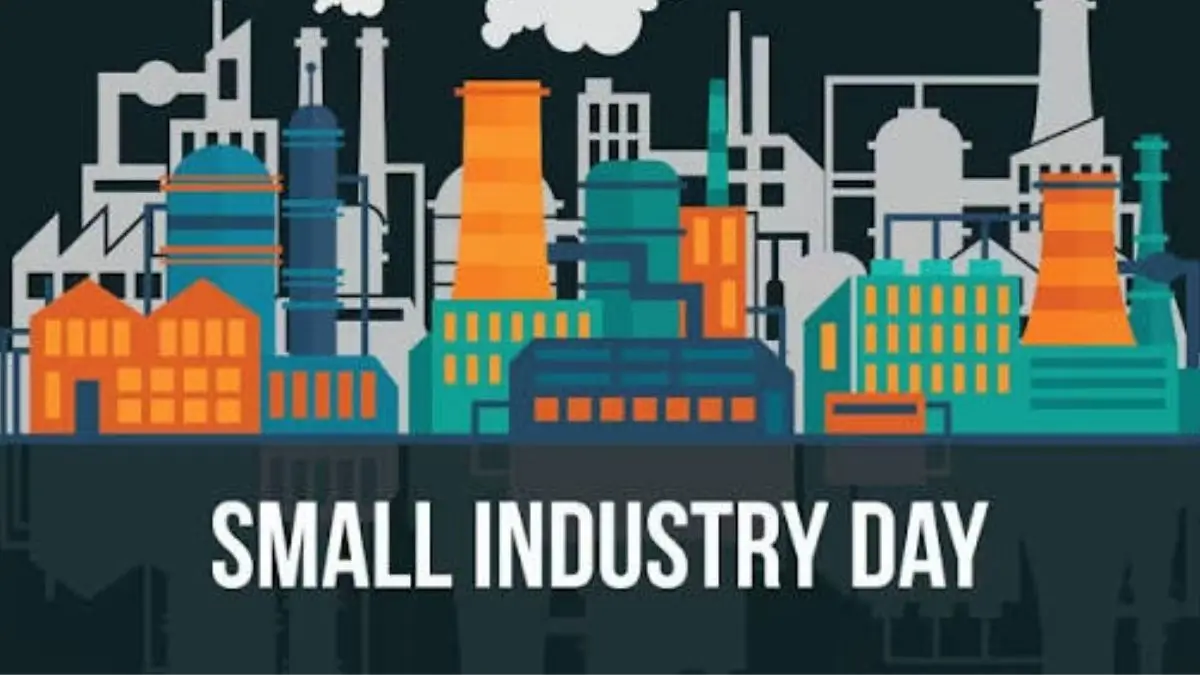
India observes National Small Industry Day every year on August 30 to recognise the contribution of small-scale industries to industrial development, employment generation, entrepreneurship and economic growth. In 2026, the observance falls on August 30, 2026. The day draws attention to the importance of smaller enterprises and the need to strengthen their access to finance, technology, infrastructure and markets.
Why Small Industries Matter to the Indian Economy
Small industries form an important part of India’s broader MSME ecosystem. They operate across manufacturing, services, handicrafts, food processing, textiles, engineering and several other sectors. Their relatively decentralised nature allows economic activity to spread beyond major industrial centres and creates employment opportunities in towns and rural areas.
National Small Industry Day and Employment Generation
One of the most important contributions of small industries is employment generation. Smaller enterprises generally require comparatively lower levels of capital investment than large industries and can therefore create livelihood opportunities across different regions. This makes them particularly relevant to inclusive growth, entrepreneurship and local economic development.
Role in Entrepreneurship and Industrial Development
Small enterprises provide opportunities for first-generation entrepreneurs to establish businesses with comparatively modest resources. They also support larger industries through supply chains and ancillary manufacturing. Their growth can improve local production capacity while encouraging innovation, entrepreneurship and self-employment.
Small Industries and the MSME Framework
The contemporary understanding of small industries is closely connected with India’s Micro, Small and Medium Enterprises (MSME) framework. From April 1, 2025, a small enterprise is classified using both investment and turnover criteria, with investment in plant and machinery or equipment up to ₹25 crore and annual turnover up to ₹100 crore.
National Small Industry Day 2026 and Government Support
The observance also highlights the importance of government support for smaller businesses. Access to institutional credit, technology upgradation, infrastructure, marketing assistance, digital platforms and timely payments can improve the competitiveness of small enterprises. Recent measures affecting MSMEs have also focused on improving liquidity, registration and access to wider markets.
National Small Industry Day 2026: Focus for Competitive Exams
For government-exam aspirants, National Small Industry Day is relevant to Indian Economy, MSMEs, industrial policy, employment, entrepreneurship and government schemes. Important facts include the date of observance, its connection with the 2000 policy package for small-scale industries, and the role of small enterprises in India’s economic development.

Why this News is Important
Relevance to Indian Economy
National Small Industry Day is important because it highlights a sector that contributes significantly to employment, entrepreneurship, manufacturing and local economic activity. Questions related to MSMEs and industrial development frequently appear in examinations covering the Indian economy.
Importance for Employment and Inclusive Growth
Small enterprises can generate employment across urban, semi-urban and rural areas. Their decentralised structure helps distribute economic opportunities geographically and provides an entry point for entrepreneurs who may not have the resources required to establish large-scale industries.
Importance for Government Policy
The development of small industries requires policy intervention in areas such as affordable credit, technology, infrastructure, marketing and timely payments. Understanding these issues helps aspirants connect National Small Industry Day with broader government policies concerning MSMEs and industrial competitiveness.
Importance for Banking Examinations
The subject is particularly relevant for banking aspirants because credit availability is a major requirement for small businesses. Terms such as MSME lending, working capital, digital credit, invoice financing and TReDS can therefore be important from an economy and banking perspective. Recent developments have highlighted the growing role of TReDS in helping MSMEs obtain working capital against approved invoices.
Importance for UPSC, PCS and Other Exams
For UPSC, PCS and other civil-service examinations, the topic can be connected with employment generation, industrialisation, entrepreneurship, rural development, financial inclusion and inclusive economic growth. The historical evolution of India’s small-industry policy is also useful for understanding the country’s industrial policy framework.
Historical Context: Evolution of Small Industries in India
Early Development of Small-Scale Industries
Small-scale and cottage industries have historically played an important role in India’s economy. Traditional activities such as textiles, handicrafts, food processing and village-based production provided livelihoods before and after independence. After independence, industrial policy sought to develop both large industries and decentralised production.
Establishment of Support Institutions
The government gradually developed institutional mechanisms to support small industries. The Small Industries Development Organisation (SIDO) was established in 1954 to provide support for the development of small-scale industries. Over time, institutional assistance expanded to areas such as training, technology, infrastructure and entrepreneurship.
Comprehensive Policy Package of 2000
A major milestone came on August 30, 2000, when the Government of India introduced a comprehensive policy package for the small-scale industry sector. The package addressed issues including credit, infrastructure, marketing, technology upgradation and payment-related concerns. August 30 subsequently became associated with Small Industry Day.
Transition from SSI to MSME Framework
The policy framework later evolved from the traditional small-scale industry approach to the broader MSME framework. The Micro, Small and Medium Enterprises Development Act, 2006 provided a more comprehensive legislative framework for these enterprises and recognised the importance of both manufacturing and service enterprises.
Modern MSME Classification
The classification system has continued to evolve. The current framework uses both investment and annual turnover to distinguish micro, small and medium enterprises. This approach reflects the changing scale and nature of businesses and is intended to make classification more responsive to modern economic activity.
Key Takeaways from National Small Industry Day 2026
| S. No. | Key Takeaway |
|---|---|
| 1 | National Small Industry Day is observed on August 30 every year in India. |
| 2 | The observance is associated with the comprehensive policy package for small-scale industries launched on August 30, 2000. |
| 3 | Small industries contribute to employment generation, entrepreneurship, manufacturing, exports and local economic development. |
| 4 | From April 1, 2025, a small enterprise can have investment up to ₹25 crore and annual turnover up to ₹100 crore under the revised MSME classification. |
| 5 | For competitive exams, the topic should be linked with MSMEs, industrial policy, employment, entrepreneurship, credit and inclusive economic growth. |
Frequently Asked Questions (FAQs)
1. When is National Small Industry Day observed in India?
National Small Industry Day is observed annually on August 30 in India.
2. Why is National Small Industry Day celebrated?
The day recognises the contribution of small industries to employment generation, entrepreneurship, industrial development and economic growth.
3. What is the historical significance of August 30 for small industries?
August 30 is associated with the comprehensive policy package for small-scale industries introduced by the Government of India in 2000.
4. What is the current classification limit for a small enterprise?
Under the revised MSME classification applicable from April 1, 2025, a small enterprise has investment in plant and machinery or equipment of up to ₹25 crore and annual turnover of up to ₹100 crore.
5. Which Act provides the legislative framework for MSMEs in India?
The Micro, Small and Medium Enterprises Development (MSMED) Act, 2006 provides the principal legislative framework for MSMEs.
6. What does MSME stand for?
MSME stands for Micro, Small and Medium Enterprises.
7. Which organisation was established in 1954 to support small-scale industries?
The Small Industries Development Organisation (SIDO) was established in 1954 to support and promote small-scale industries.
8. How do small industries contribute to employment?
Small industries generate employment with comparatively lower capital requirements and operate across urban, semi-urban and rural areas, thereby supporting broader livelihood opportunities.
9. Why are MSMEs important for banking examinations?
MSMEs are closely connected with institutional credit, working capital, digital lending, invoice financing and priority-sector lending, making them relevant to banking and economy-related examinations.
10. What is TReDS?
TReDS (Trade Receivables Discounting System) is an electronic platform designed to facilitate the financing of trade receivables of MSMEs, helping eligible businesses improve their working-capital liquidity.
Some Important Current Affairs Links