






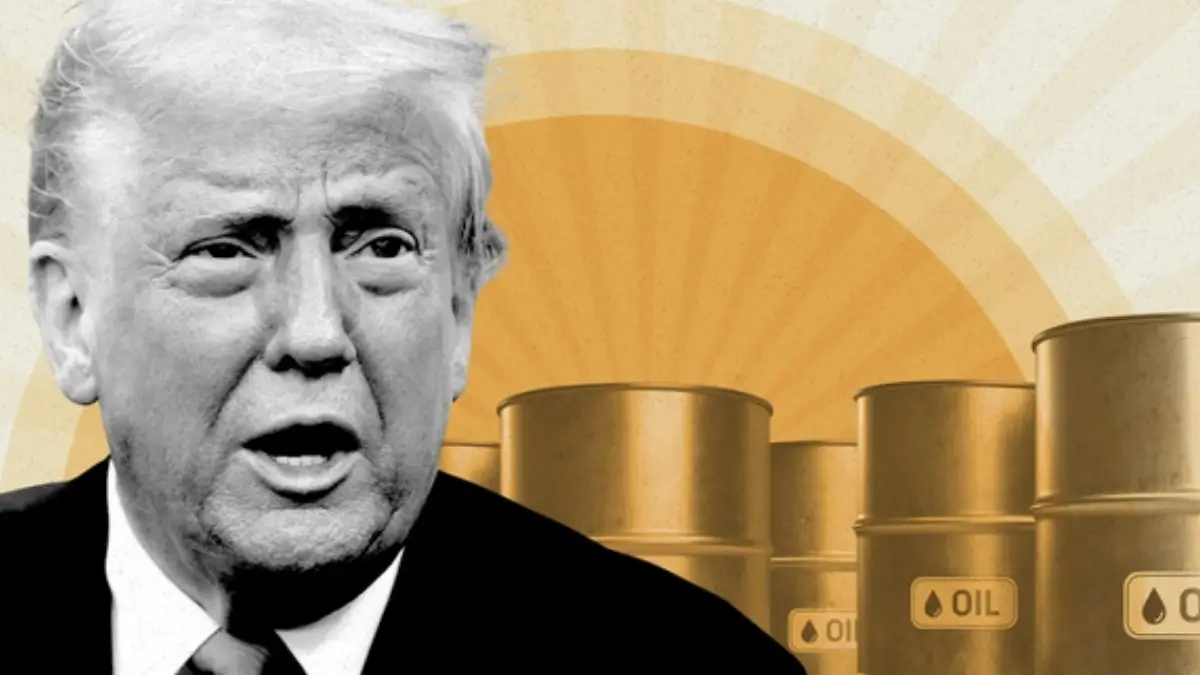
Trump Venezuela oil deal involves $100 billion investment, 65 billion barrels of reserves and 17 oil fields, with major implications for energy security and global geopolitics.
Major US-Venezuela Oil Agreement Announced
US President Donald Trump has announced a major oil agreement involving the United States and Venezuela, describing it as one of the largest oil deals in history. The agreement is centred on more than 65 billion barrels of proven Venezuelan oil reserves and is designed to bring large-scale private investment into Venezuela’s struggling petroleum sector. The announcement has significant implications for global energy markets, US energy security and Venezuela’s economic recovery.
$100 Billion Investment Planned for Venezuela
A central feature of the agreement is a plan by North American Blue Energy Partners (NABEP) to invest up to $100 billion in new oil infrastructure in Venezuela. The proposed investment is intended to increase production, modernise ageing facilities and create employment. According to the White House, the investment could also generate substantial economic activity and government revenue in Venezuela.
US Gains Significant Economic and Governance Rights
The agreement provides the US government with substantial rights in the proposed oil structure. NABEP has granted the US Department of War’s Office of Strategic Capital a 35% equity stake in its corporate parent. The US government will also have a guaranteed right to purchase 20% of production at production cost and a right of first refusal over the remaining output. These provisions are intended to provide the United States with a stable source of crude oil.
17 Venezuelan Oil Fields Covered Under the Agreement
The arrangement involves 17 Venezuelan oil fields with approximately 65 billion barrels of proven reserves. The Venezuelan interim authorities have granted NABEP concessions extending for 100 years. The scale of these reserves makes the agreement particularly significant for international energy security and the future direction of Venezuela’s oil industry.
Venezuela Seeks Revival of Its Oil Industry
Venezuela possesses the world’s largest proven oil reserves, but its petroleum industry has experienced years of underinvestment, declining production and deteriorating infrastructure. The new agreement seeks to attract private capital and technical expertise to reverse these problems. The source article notes that the country’s oil infrastructure has been a major obstacle to increasing production.
Impact on US Energy Security
The agreement is also closely connected with US energy-security objectives. Washington expects access to additional Venezuelan crude to provide a stable supply from the Western Hemisphere. The White House says that 20% of NABEP’s output could be purchased by the US at production cost, while the United States would have first-refusal rights over the remaining production.
Could the Deal Reduce US Fuel Prices?
President Trump has argued that increased Venezuelan oil supplies could help reduce gasoline prices in the United States. However, the actual effect on fuel prices will depend on several factors, including how quickly Venezuelan production can increase, the condition of its infrastructure, refining capacity and international crude-oil prices. Therefore, the announcement does not automatically guarantee lower petrol prices.
Importance for Global Energy Geopolitics
The agreement has significance beyond commercial oil production. Venezuela’s vast petroleum resources have long made the country strategically important in international politics. Greater US involvement could reshape energy relations in the Western Hemisphere and influence the role of other external powers in Venezuela’s oil sector. The White House has also presented the agreement as part of a broader strategy involving Venezuelan economic reconstruction and US energy dominance.
Exam Perspective: What Students Should Remember
For government-exam aspirants, this development connects international relations, energy security, geopolitics, crude oil reserves, foreign investment and the global economy. Important facts include Venezuela’s position as the country with the world’s largest proven oil reserves, the approximately 65 billion barrels covered by the agreement, the proposed $100 billion investment and NABEP’s role. These facts can be relevant to questions in UPSC, PCS, SSC, banking, railways, defence and other competitive examinations.

B) Why This News Is Important
Significance for Global Energy Security
The Trump-Venezuela oil agreement is important because it links one of the world’s largest oil-reserve holders with the United States, one of the world’s largest energy consumers. The agreement could increase the flow of Venezuelan crude into international markets and strengthen US access to oil supplies from the Western Hemisphere.
Importance for Venezuela’s Economic Recovery
Venezuela’s oil industry has suffered from years of inadequate investment, infrastructure deterioration and falling production. The proposed investment of up to $100 billion could provide capital for rebuilding oil facilities and expanding production. Increased oil activity could also create jobs and generate government revenue, making the agreement important for Venezuela’s economic recovery.
Relevance to International Relations
The agreement demonstrates how natural resources can influence foreign policy and international relations. Venezuela’s oil reserves have strategic importance, and increased US involvement could affect the balance of influence among the United States, Venezuela and other international actors operating in the region.
Importance for Competitive Examinations
The development provides multiple examination points. Aspirants should remember Venezuela’s world’s-largest proven oil reserves, 65 billion barrels involved in the agreement, $100 billion proposed investment, NABEP, US energy security and the potential impact on global oil markets. It can be linked with questions on international affairs, geography, economics and energy security.
Wider Economic Implications
The agreement also highlights the relationship between crude-oil supply, investment, infrastructure and fuel prices. Although the US administration expects additional Venezuelan production to support lower energy costs, analysts have pointed out that restoring production will require substantial investment and time.
C) Historical Context: Venezuela and the Global Oil Industry
Venezuela’s Oil Wealth
Venezuela has historically been one of the world’s most important oil-producing countries and possesses the largest proven crude-oil reserves. Its petroleum resources have played a central role in government revenue, exports and the country’s wider economy.
Nationalisation and State Control
Over the years, Venezuela increased state control over its petroleum industry. The dominance of the state-owned oil sector and periods of political and economic instability affected the participation of foreign companies and the flow of international investment.
Decline in Oil Production
Despite its enormous reserves, Venezuela has struggled to translate its resource wealth into consistently high production. Underinvestment, ageing infrastructure, operational difficulties and political and economic instability contributed to declining output. The country’s heavy crude also requires appropriate infrastructure and refining capabilities.
Renewed Push for Foreign Investment
The current agreement represents a major shift toward private-sector participation and foreign investment in Venezuela’s oil sector. The White House says NABEP’s concessions are governed by Venezuela’s new hydrocarbons framework, which is intended to facilitate modernisation and private investment.
US-Venezuela Energy Relations
Oil has remained central to relations between Washington and Caracas. The latest agreement reflects a renewed US effort to secure access to Venezuelan petroleum while encouraging reconstruction of the country’s energy sector. Its long-term success will depend on investment, infrastructure development, political stability and the legal framework governing oil operations.
Key Takeaways from Trump-Venezuela Oil Deal
| S. No. | Key Takeaway |
|---|---|
| 1 | 65 billion barrels: The agreement covers more than 65 billion barrels of proven Venezuelan oil reserves. |
| 2 | $100 billion investment: NABEP plans to invest up to $100 billion in Venezuela’s oil infrastructure. |
| 3 | 17 oil fields: The agreement involves 17 Venezuelan oil fields with approximately 65 billion barrels of proven reserves. |
| 4 | US energy security: The United States receives significant rights to Venezuelan oil production, including guaranteed access to 20% of output at production cost and first-refusal rights over the remainder. |
| 5 | Venezuela’s oil reserves: Venezuela possesses the world’s largest proven oil reserves, making the country strategically important in global energy geopolitics. |
FAQs: Trump-Venezuela $100 Billion Oil Deal
1. What is the Trump-Venezuela oil deal?
The agreement is a major US-Venezuela oil-sector arrangement intended to expand Venezuelan oil production, attract investment and provide the United States with preferential access to Venezuelan crude. The deal covers more than 65 billion barrels of proven reserves across 17 oil fields.
2. What is the proposed investment under the deal?
North American Blue Energy Partners (NABEP) plans to invest up to $100 billion in new Venezuelan oil infrastructure to increase production and modernise the country’s petroleum sector.
3. Which company is central to the agreement?
North American Blue Energy Partners (NABEP) is the private oil company at the centre of the arrangement. The company has been granted concessions covering 17 oil fields.
4. How much Venezuelan oil is covered by the agreement?
The agreement covers more than 65 billion barrels of proven oil reserves, according to the White House. Reuters has described the reserves involved as roughly 64–65 billion barrels.
5. How many Venezuelan oil fields are involved?
The arrangement involves 17 oil fields. The Venezuelan interim authorities have granted NABEP long-term concessions for these fields.
6. What stake does the US government receive in NABEP?
The US Department of War’s Office of Strategic Capital is set to receive a 35% equity stake in NABEP’s corporate parent under the announced arrangement.
7. What preferential access does the United States receive to the oil?
The US Department of State is to have the right to purchase 20% of NABEP’s production at production cost. It also receives a right of first refusal on the remaining 80%.
8. Why is Venezuela important in global energy affairs?
Venezuela is important because it possesses the world’s largest proven crude-oil reserves. Its large reserves give the country strategic significance in international energy markets and geopolitics.
9. What is the expected purpose of the $100 billion investment?
The proposed investment is intended to rebuild and modernise Venezuela’s ageing oil infrastructure, increase production, attract private capital and support broader economic recovery.
10. What is the relevance of this news for government exams?
The topic can be linked to international relations, energy security, crude-oil reserves, foreign investment, geopolitics, global economy and Venezuela’s geography. Candidates should particularly remember the figures $100 billion, 65 billion barrels and 17 oil fields.
Some Important Current Affairs Links