My Village Healthy Village Initiative Maharashtra 2026 focuses on improving rural healthcare, preventive health, and sanitation. Learn about Arogyasampann Gaon awards, objectives, and implementation strategies.
Maharashtra Launches “My Village, Healthy Village” Initiative to Transform Rural Healthcare
On the occasion of World Health Day 2026, the Government of Maharashtra unveiled a major healthcare campaign titled “My Village, Healthy Village” (locally called Majha Gaon, Arogyasampann Gaon) with the objective of strengthening health services and sanitation across rural areas.
Launch and Key Leaders Involved
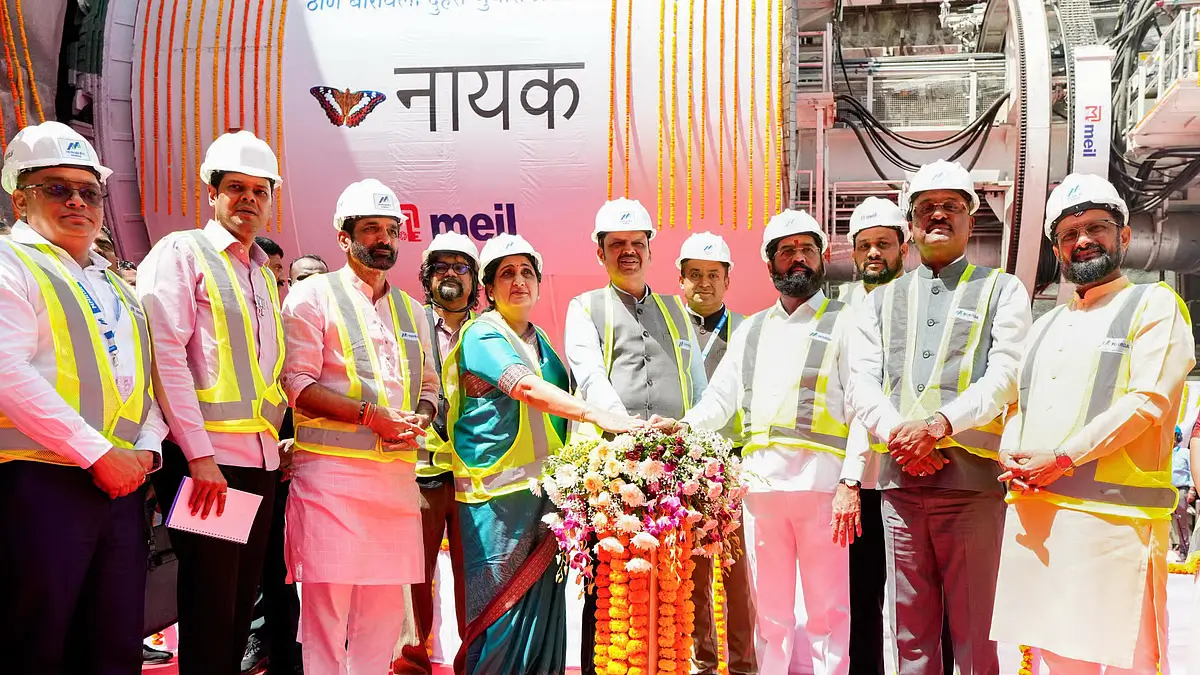
The campaign was officially launched in Mumbai by Chief Minister Devendra Fadnavis, with senior dignitaries including Deputy Chief Minister Eknath Shinde, Leader Sunetra Ajit Pawar, and Health Minister Prakash Abitkar attending the event. Careful preparation was made to explain the goals and structure of the initiative through films and information booklets during the launch programme.
Main Goals of the Initiative
The “My Village, Healthy Village” initiative aims to revamp rural health infrastructure and enhance quality healthcare services at the grassroots level. The focus is on making healthcare accessible near people’s homes, thereby reducing dependency on distant facilities and improving outcomes for rural populations.
Core Focus: Preventive Healthcare
This campaign gives priority to preventive healthcare rather than just treating diseases. Major components include:
- Improving sanitation practices in villages
- Ensuring safe drinking water
- Promoting nutritious food programmes
- Controlling communicable and non‑communicable diseases
- Special focus on maternal and child health, mental health, and lifestyle‑related disorders
Addressing such areas is expected to have a long‑term positive impact on the overall health profile of rural Maharashtra.
Community Participation and Implementation Strategy
To ensure effective delivery, the government has mandated multi‑tier monitoring committees from the state level to the gram panchayat level. These groups are tasked with tracking progress, ensuring proper implementation, and evaluating performance based on health indicators such as sanitation, disease control, nutrition, and preventive care.
Recognition for Healthy Villages
Villages that meet or exceed health benchmarks will be awarded the status of “Arogyasampann Gaon” along with recognition, certificates, and incentives. This recognition model aims to motivate grassroots involvement and foster healthy competition among local administrative units.

Why This News Is Important for Exam Aspirants
Significance of Rural Healthcare Development
The launch of the My Village, Healthy Village initiative is a major policy development in the Indian public health domain. For students preparing for government exams such as SSC, UPSC, Banking, State PCS, Teaching and Police exams, understanding this initiative is vital because it reflects:
- The government’s focus on preventive public health and rural upliftment.
- Priority given to primary healthcare infrastructure, which aligns with national objectives of inclusive growth.
- Real‑world implementation of principles taught in general studies with relevance to health, governance, decentralisation, and public policy.
Alignment with National Health Goals
This campaign also complements broader national efforts such as Ayushman Bharat and the objectives of World Health Day, emphasising strategic health intervention, sanitation, disease prevention, and community action plans. Working knowledge of such schemes enhances an aspirant’s ability to answer questions on government programmes, public health challenges, and rural development measures that commonly appear in competitive exams.
Historical Context: Rural Healthcare in India
The Challenge of Rural Healthcare Delivery
India’s rural health landscape has historically grappled with challenges such as limited access to medical professionals, inadequate infrastructure, and a higher prevalence of communicable diseases due to poor sanitation. Recognising this, successive governments introduced landmark programmes like:
- Primary Health Centres (PHCs) and Community Health Centres (CHCs)
- National Rural Health Mission (NRHM) in 2005
- Ayushman Bharat – Health and Wellness Centres (HWCs)
These programmes aimed to bring basic healthcare closer to remote populations and reduce mortality due to preventable conditions.
Global Initiatives and National Policy Alignment
The World Health Organization (WHO) introduced World Health Day in 1950 to mobilise global action on pressing health issues. Each year, a theme encourages governments and communities to improve health outcomes. India, aligning with this global platform, continues to launch region‑specific initiatives like My Village, Healthy Village to localise their impact and foster healthy societies.
Key Takeaways from “My Village, Healthy Village” Initiative
| S.No | Key Takeaway |
|---|---|
| 1 | The Maharashtra government launched the My Village, Healthy Village initiative on World Health Day 2026 to strengthen rural health systems. |
| 2 | The initiative prioritises preventive healthcare, focusing on sanitation, safe water, nutrition, and maternal‑child health. |
| 3 | Multi‑tier committees will oversee implementation from the state to village levels. |
| 4 | Villages meeting health benchmarks will be recognised as “Arogyasampann Gaon” and receive incentives. |
| 5 | The campaign reflects the government’s strategic focus on equitable healthcare, making trainees aware of policy actions in public health. |
FAQs: Frequently Asked Questions
1. What is the “My Village, Healthy Village” initiative?
The “My Village, Healthy Village” initiative is a healthcare campaign launched by the Maharashtra government to improve rural health infrastructure, sanitation, and preventive healthcare services. It aims to provide accessible medical facilities in villages and promote public health awareness.
2. Who launched the initiative and when?
The initiative was launched by Maharashtra Chief Minister Devendra Fadnavis on World Health Day 2026, with senior officials like Deputy CM Eknath Shinde and Health Minister Prakash Abitkar participating.
3. What are the main objectives of this initiative?
Key objectives include:
- Strengthening rural healthcare systems
- Promoting preventive healthcare practices
- Improving sanitation and safe drinking water
- Ensuring maternal and child health
- Reducing communicable and lifestyle-related diseases
4. What recognition is given to healthy villages?
Villages that achieve health benchmarks are awarded the status of “Arogyasampann Gaon”, along with certificates and incentives to encourage local community participation.
5. How will the initiative be implemented?
Implementation involves multi-tier monitoring committees from the state level to gram panchayats. These committees track health indicators, monitor sanitation, disease prevention, and evaluate progress regularly.
6. How does this initiative align with national health programs?
It complements national programs like Ayushman Bharat and aligns with World Health Day objectives, focusing on preventive healthcare, wellness, and rural health empowerment.
7. Why is this initiative important for competitive exams?
It is significant for exams such as UPSC, State PCS, SSC, Banking, and Police exams because it reflects government policy, public health priorities, rural development strategies, and preventive healthcare interventions in India.
Some Important Current Affairs Links