





India’s Suicide Rate Declines by 30% Over Three Decades: Lancet Study
Introduction
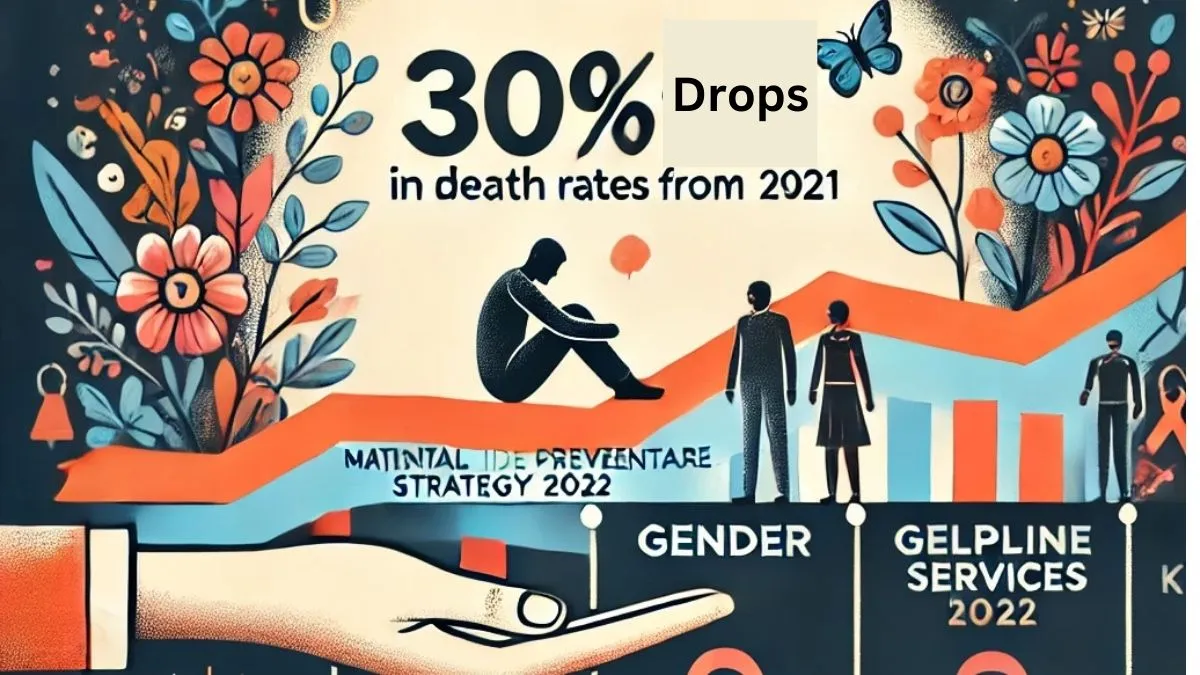
A recent study published in The Lancet Public Health reveals a significant decline in India’s suicide death rate over the past three decades. The analysis, based on data from the Global Burden of Diseases, Injuries, and Risk Factors Study (GBD) 2021, indicates a more than 30% reduction in suicide mortality from 1990 to 2021. This positive trend underscores the impact of mental health awareness and intervention strategies implemented across the country.
Decline in Suicide Rates
In 1990, India’s suicide death rate stood at 18.9 per 100,000 population. By 2019, this rate had decreased to 13.1 per 100,000, and further declined to 13 per 100,000 in 2021, marking a 31.5% reduction over the 31-year period. The study highlights that this decline was more pronounced among females than males. For females, the suicide death rate dropped from 16.8 per 100,000 in 1990 to 10.3 per 100,000 in 2021. Among males, the rate decreased from 20.9 to 15.7 per 100,000 during the same period.
Factors Contributing to the Decline
Several factors have contributed to this downward trend in suicide rates. Increased mental health awareness, improved access to mental health services, and targeted intervention programs have played crucial roles. Government initiatives, such as the National Mental Health Programme, have focused on integrating mental health services into primary healthcare, reducing stigma, and providing support for those in need. Additionally, community-based programs and non-governmental organizations have been instrumental in offering counseling and support services at the grassroots level.
Gender Disparities in Suicide Rates
The study reveals notable gender disparities in suicide rates. While both males and females have experienced declines, the reduction has been more significant among females. In 2020, the highest suicide death rates in India were observed among educated women, with family problems being the most commonly cited contributing factor. This finding suggests the need for targeted mental health interventions addressing specific challenges faced by women, particularly those related to familial and societal pressures.
Global Context
Globally, suicide remains a critical public health issue, with approximately 740,000 individuals dying by suicide each year—equating to one death every 43 seconds. However, the global age-standardized mortality rate for suicide has declined by nearly 40% over the past three decades, decreasing from about 15 deaths per 100,000 population to 9 deaths per 100,000. This global trend mirrors the progress observed in India, indicating the effectiveness of worldwide efforts in suicide prevention and mental health promotion.
Challenges and the Way Forward
Despite the encouraging decline in suicide rates, challenges persist. Stigma surrounding mental health issues continues to be a significant barrier to individuals seeking help. Moreover, disparities in access to mental health services, particularly in rural and underserved areas, hinder comprehensive support. To sustain and further this positive trend, it is imperative to enhance mental health infrastructure, promote education and awareness, and implement policies that address the socio-economic determinants of mental health.

Why This News Is Important
Implications for Public Health Policy
The significant decline in India’s suicide rates over the past three decades highlights the effectiveness of mental health initiatives and policies implemented during this period. This trend provides valuable insights for public health policymakers to assess the impact of existing programs and identify areas requiring further attention. Understanding the factors contributing to this decline can guide the development of more targeted and efficient mental health strategies, ensuring resources are allocated effectively to sustain and enhance this progress.
Relevance for Competitive Examinations
For students preparing for competitive examinations, especially those related to civil services, public administration, and healthcare sectors, this news is of paramount importance. It underscores the significance of mental health as a critical component of public health discourse. Examinees can expect questions related to trends in public health metrics, the effectiveness of government interventions, and the socio-economic factors influencing mental health outcomes. A comprehensive understanding of this topic not only aids in examination preparedness but also equips future policymakers and administrators with the knowledge to address mental health challenges effectively.
Encouragement for Continued Mental Health Advocacy
The reported decline serves as an encouraging indicator that concerted efforts in mental health advocacy, awareness, and intervention can yield positive outcomes. It emphasizes the need for sustained commitment to mental health programs, destigmatization campaigns, and accessible support services. Recognizing the progress made reinforces the importance of continued investment in mental health infrastructure and education, fostering a society where individuals feel empowered to seek help and support for mental health concerns.
Historical Context
Evolution of Mental Health Initiatives in India
Historically, mental health in India was a neglected area, with limited resources and widespread stigma. The turning point came with the launch of the National Mental Health Programme (NMHP) in 1982, aiming to integrate mental health services into general healthcare. Over the years, the NMHP has evolved, focusing on community-based approaches, training healthcare professionals, and increasing public awareness. The Mental Healthcare Act of 2017 further strengthened the legal framework, ensuring the rights of individuals with mental illnesses and mandating accessible mental health services.
Role of Non-Governmental Organizations
Non-governmental organizations (NGOs) have played a pivotal role in India’s mental health landscape. Organizations like The Banyan, Sangath, and Snehi have been instrumental in providing community-based mental health services, conducting research, and advocating for policy changes. Their efforts have complemented governmental initiatives, reaching underserved populations and addressing the treatment gap in mental health services.
Global Influences and Collaborations
India’s approach to mental health has also been influenced by global collaborations and adherence to international guidelines. Partnerships with organizations like the World Health Organization (WHO) have facilitated the adoption of best practices and global frameworks for mental health interventions. The WHO’s Mental Health Action Plan 2013-2030 has guided India’s policy direction, emphasizing integrated, rights-based, and person-centered care. Additionally, India’s participation in international mental health programs has enabled access to funding, technical expertise, and research advancements that contribute to the ongoing decline in suicide rates.
Key Takeaways from India’s Suicide Rate Decline
| Sr. No | Key Takeaway |
|---|---|
| 1 | India’s suicide death rate has dropped by over 30% from 1990 to 2021, showing progress in mental health interventions. |
| 2 | The decline has been more significant among females compared to males, highlighting the impact of gender-specific interventions. |
| 3 | Government programs such as the National Mental Health Programme and community-based initiatives have contributed significantly to the reduction. |
| 4 | Despite the progress, challenges like mental health stigma and disparities in access to healthcare services persist. |
| 5 | Global efforts, collaborations with WHO, and evolving policies have played a crucial role in shaping India’s mental health framework. |
Important FAQs for Students from this News
1. What does the recent Lancet study reveal about India’s suicide rate?
The Lancet Public Health study reports that India’s suicide death rate has decreased by over 30% between 1990 and 2021, indicating improvements in mental health awareness and interventions.
2. What factors have contributed to the decline in suicide rates?
Several factors, including increased mental health awareness, government initiatives like the National Mental Health Programme, better access to mental health services, and community-based interventions, have played a role in reducing suicide rates.
3. How do male and female suicide rates compare?
While both male and female suicide rates have declined, the reduction is more significant among females. The suicide rate for females fell from 16.8 per 100,000 in 1990 to 10.3 per 100,000 in 2021.
4. How does India’s progress compare to global trends?
Globally, suicide rates have declined by nearly 40% in the past three decades. India’s progress aligns with this trend, reflecting successful intervention efforts.
5. What are the challenges that still exist in addressing suicide rates?
Key challenges include social stigma surrounding mental health, unequal access to healthcare services in rural areas, and the need for continued investment in mental health education and policies.
Some Important Current Affairs Links