




India US strategic partnership 2026 gains momentum as S. Jaishankar and Marco Rubio discuss Quad cooperation, Indo-Pacific security, trade, AI, defence, and global strategic relations ahead of the Quad meeting.
India and US Deepen Strategic Cooperation
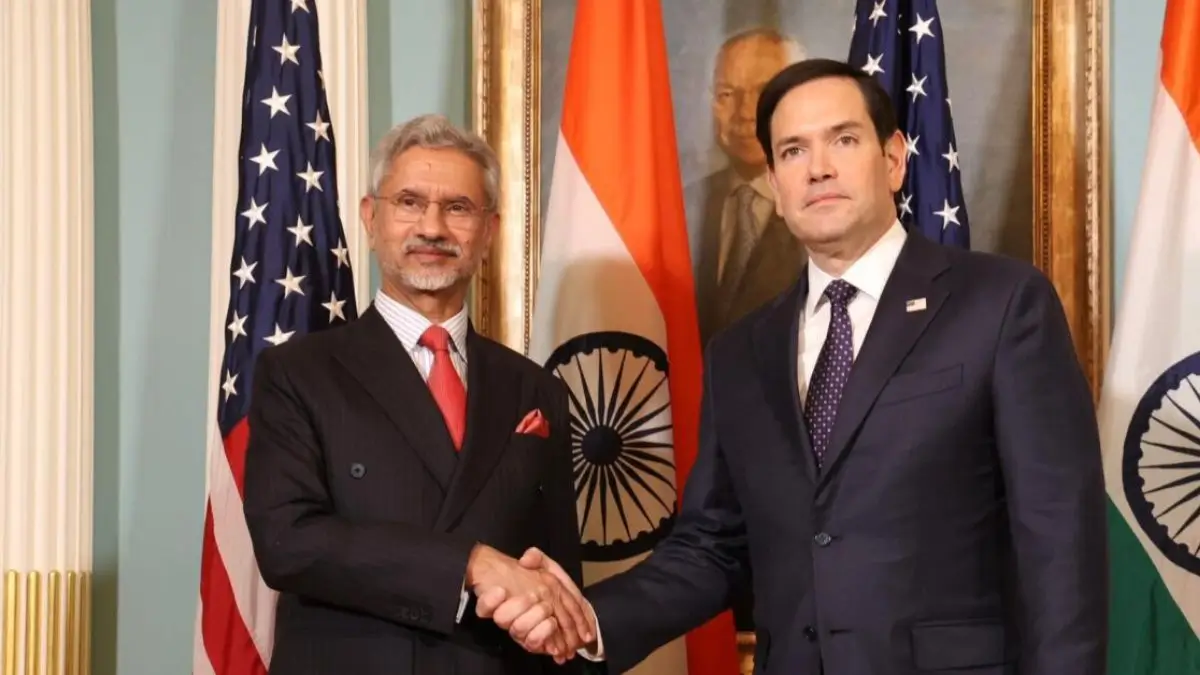
India and the United States have once again reaffirmed their strong strategic partnership through high-level talks between External Affairs Minister S. Jaishankar and US Secretary of State Marco Rubio. The discussions took place in New Delhi ahead of the important Quad Foreign Ministers’ Meeting, signaling growing cooperation between the two democratic nations in areas such as defence, trade, artificial intelligence, critical minerals, maritime security, and energy cooperation.
The meeting assumes significance because the Indo-Pacific region is witnessing rising geopolitical tensions, especially due to China’s growing assertiveness in the South China Sea and increasing competition among global powers. India and the United States are focusing on strengthening cooperation to maintain a free, open, and inclusive Indo-Pacific region.
Focus on the Quad Alliance
The Quadrilateral Security Dialogue, commonly known as the Quad, includes India, the United States, Japan, and Australia. The grouping aims to promote regional stability, maritime security, resilient supply chains, and strategic cooperation in the Indo-Pacific. The upcoming Quad meeting has become crucial amid global uncertainty and concerns over regional security.
During the discussions, Jaishankar emphasized trusted partnerships, uninterrupted maritime commerce, and resilient supply chains to protect the global economy from disruptions. The leaders also discussed critical infrastructure development and reducing dependency on monopolized global resources.
Trade, Technology and Energy Cooperation
A major highlight of the talks was the expansion of India-US cooperation in emerging technologies. Both sides reviewed progress in artificial intelligence, nuclear energy, defence manufacturing, and critical minerals cooperation. These sectors are increasingly important because they influence future economic growth and national security.
The leaders also discussed energy security and diversification of supply chains. India highlighted the importance of ensuring stable and affordable energy supplies while reducing global vulnerabilities. The United States expressed optimism about expanding trade and investment relations with India.
Security and Counter-Terrorism Issues
Security cooperation formed another important pillar of the discussions. India reiterated its zero-tolerance approach toward terrorism and appreciated continued cooperation from the United States in counter-terrorism efforts. Maritime security in the Indo-Pacific and protection of international trade routes were also discussed extensively.
The leaders emphasized respect for international law and peaceful resolution of disputes through diplomacy and dialogue. Such discussions become especially important as global tensions continue to rise in regions such as West Asia and the South China Sea.
Importance of India-US Relations
India and the United States share strong democratic values and strategic interests. Over the years, the bilateral relationship has evolved into a Comprehensive Global Strategic Partnership involving defence, education, trade, technology, and people-to-people ties.
The latest talks between Jaishankar and Rubio demonstrate that both countries are committed to strengthening long-term cooperation despite occasional disagreements over trade or global policies. The discussions also indicate that India remains a key strategic partner for the United States in balancing geopolitical challenges in Asia.

Why this News is Important
Important for International Relations and Diplomacy
The Jaishankar-Rubio meeting is important because it highlights the growing strength of India-US relations at a time when global geopolitics is rapidly changing. Questions related to international relations, diplomatic partnerships, and global alliances are frequently asked in competitive examinations such as UPSC, SSC, Banking, Defence, Railways, and State PSC examinations.
Significance of the Indo-Pacific Region
The Indo-Pacific has become one of the world’s most strategically important regions because it contains major global trade routes and emerging economic powers. India’s active participation in the Quad demonstrates its increasing role in regional and global affairs. Aspirants preparing for civil services examinations must understand the strategic importance of the Quad and its role in counterbalancing regional security challenges.
Relevance for Economic and Security Issues
The talks also covered important topics such as critical minerals, artificial intelligence, energy security, and resilient supply chains. These issues are directly connected to economic stability, technological advancement, and national security. Government examinations increasingly include questions related to global supply chains, energy diplomacy, and strategic technologies.
Strengthening India’s Global Position
The meeting reflects India’s growing influence in world affairs. India is now seen as a major strategic and economic partner by leading global powers. Understanding India’s foreign policy objectives and diplomatic partnerships helps aspirants develop a better understanding of international current affairs and India’s role in global governance.
Historical Context
Evolution of India-US Relations
India and the United States established diplomatic relations shortly after India’s independence in 1947. Initially, relations remained limited due to Cold War politics and differing strategic priorities. However, ties began improving significantly after the end of the Cold War and India’s economic liberalization in the 1990s.
Emergence of Strategic Partnership
The relationship entered a new phase during the 2000s with increasing defence cooperation and the signing of the India-US Civil Nuclear Agreement in 2008. In recent years, both countries have strengthened cooperation in defence, trade, cybersecurity, space technology, and counter-terrorism. India was also designated a Major Defense Partner by the United States.
Formation of the Quad
The Quad was first proposed in 2007 by former Japanese Prime Minister Shinzo Abe with support from India, the United States, and Australia. The grouping was revived in 2017 to strengthen cooperation in the Indo-Pacific region amid growing concerns about China’s expanding influence. Since then, the Quad has evolved into an important strategic platform focusing on maritime security, infrastructure, technology, climate resilience, and supply chains.
Current Geopolitical Context
Today, global geopolitical tensions involving China, disruptions in energy markets, and concerns about supply chain vulnerabilities have made the India-US partnership even more important. Both countries increasingly view each other as key partners in ensuring regional stability and economic resilience.
Key Takeaways from This News
| S.No. | Key Takeaway |
|---|---|
| 1 | India and the US reviewed their Comprehensive Global Strategic Partnership ahead of the Quad meeting. |
| 2 | Discussions focused on defence, AI, critical minerals, energy security, and maritime cooperation. |
| 3 | The Quad alliance includes India, the US, Japan, and Australia and aims to strengthen Indo-Pacific security. |
| 4 | India emphasized resilient supply chains, trusted partnerships, and uninterrupted maritime commerce. |
| 5 | The talks highlighted India’s growing role as a major strategic partner in global geopolitics. |
FAQs Related to Jaishankar-Rubio Talks and Quad Meeting
1. Who is India’s External Affairs Minister?
India’s External Affairs Minister is S. Jaishankar.
2. Who is Marco Rubio?
Marco Rubio is a senior American political leader serving as the US Secretary of State.
3. What is the Quad?
The Quad, or Quadrilateral Security Dialogue, is a strategic grouping of four countries — India, the United States, Japan, and Australia — working together for a free and open Indo-Pacific region.
4. Which countries are members of the Quad?
The Quad includes:
- India
- United States
- Japan
- Australia
5. Why is the Indo-Pacific region important?
The Indo-Pacific region is important because it contains major international trade routes, strategic sea lanes, and emerging economic powers.
6. In which year was the Quad first proposed?
The Quad was first proposed in 2007 by former Japanese Prime Minister Shinzo Abe.
7. What are critical minerals?
Critical minerals are essential raw materials used in technologies such as semiconductors, batteries, renewable energy systems, and defence manufacturing.
8. Why are India-US relations important for India?
India-US relations are important because they strengthen defence cooperation, trade, technology transfer, energy security, and strategic partnerships.
9. What is meant by a “free and open Indo-Pacific”?
It refers to maintaining peace, freedom of navigation, respect for international law, and secure maritime trade routes in the Indo-Pacific region.
10. Which competitive exams can include questions from this topic?
Questions related to this topic may appear in UPSC, SSC, Banking, Railways, Defence, State PSC, Teaching, and other government recruitment examinations.
Some Important Current Affairs Links