








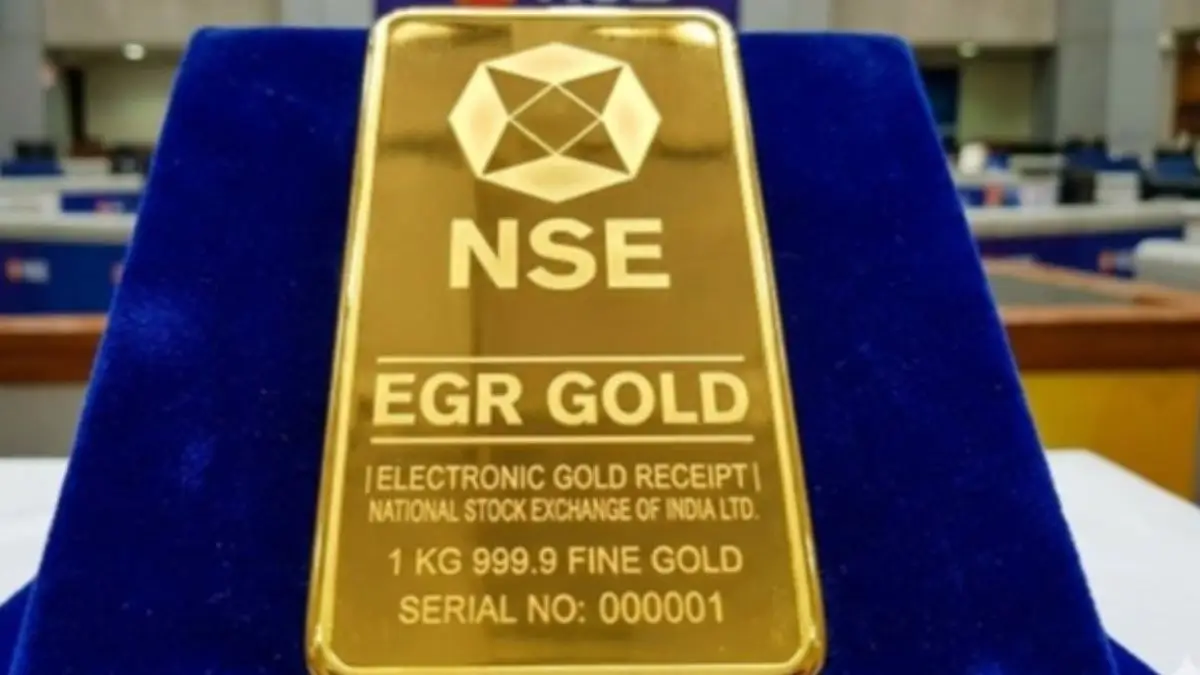
Electronic gold receipts India initiative launched by NSE aims to transform digital gold trading with SEBI regulation, improved transparency, secure gold investment, and modern commodity market reforms.
NSE Launches Electronic Gold Receipts for Digital Gold Trading
Introduction to Electronic Gold Receipts
India’s financial markets witnessed a major development after the launch of Electronic Gold Receipts (EGRs) by the National Stock Exchange of India. The initiative is considered a transformative step toward digitizing and formalizing India’s traditional gold market. Electronic Gold Receipts will enable investors to buy and trade gold in electronic form through stock exchanges instead of relying solely on physical gold purchases.
The new system is expected to improve transparency, security, and efficiency in gold trading across the country. India is one of the world’s largest consumers of gold, and the introduction of EGRs is aimed at modernizing the sector while reducing risks associated with physical storage and purity verification.
What are Electronic Gold Receipts?
Electronic Gold Receipts are digital certificates representing ownership of physical gold stored in SEBI-approved vaults. These receipts can be traded on stock exchanges just like shares or securities. Investors do not need to physically possess gold bars or coins because the ownership is maintained electronically in demat accounts.
Under this system, physical gold deposited in registered vaults is converted into electronic units. These units can later be traded, transferred, or converted back into physical gold whenever required. The initiative promotes safer and more transparent gold investments.
NSE Successfully Dematerialises Gold
As part of the launch, the NSE successfully dematerialised a 1-kilogram gold bar, marking an important milestone for India’s commodity market reforms. This achievement demonstrated that gold can now be securely converted into tradable digital assets.
The move is expected to attract retail as well as institutional investors because it simplifies gold investment and trading. Investors can now hold gold in a secure electronic format without worrying about theft, storage costs, or authenticity issues.
Importance of Gold in the Indian Economy
Gold has always held cultural, financial, and economic importance in India. Indian households traditionally invest heavily in gold for savings, weddings, and festivals. However, the market has remained largely fragmented and dominated by physical transactions.
The introduction of EGRs can help integrate the gold ecosystem into the formal financial sector. It can improve price discovery, ensure quality standards, and reduce illegal trading activities. Experts believe that digital gold trading may also strengthen India’s ambition to become an international bullion trading hub.
Role of SEBI and Regulatory Framework
The Electronic Gold Receipt framework has been introduced under the supervision of the Securities and Exchange Board of India. SEBI has established rules regarding vault managers, trading procedures, settlement systems, and investor protection mechanisms.
Only accredited vaults and regulated intermediaries can participate in this system. Such regulations are intended to enhance investor confidence and ensure transparency in gold transactions.
Benefits of Electronic Gold Receipts
One of the biggest advantages of EGRs is the elimination of risks associated with storing physical gold. Investors can safely hold gold in demat accounts while maintaining ownership rights.
Another important benefit is improved liquidity. Investors can easily buy or sell gold electronically through exchanges without visiting jewelers or bullion markets. The system also ensures standardized purity and pricing, reducing fraud and disputes in gold transactions.
EGRs may also encourage financial inclusion by enabling small investors to participate in organized gold markets with lower transaction barriers.
Impact on Financial Markets
The launch of EGRs is expected to deepen India’s commodity and financial markets. It may create new investment opportunities, increase transparency, and improve market efficiency.
Financial experts believe that the initiative can gradually shift investors from unorganized physical gold purchases to regulated exchange-based trading. This can support tax compliance, strengthen formal economic activities, and enhance investor protection.
The reform is also aligned with India’s broader digital economy and fintech expansion initiatives.

Why this News is Important
Significance for Competitive Examinations
The launch of Electronic Gold Receipts is highly important for students preparing for government examinations because it combines topics related to economy, financial markets, digital reforms, and regulatory institutions. Questions related to SEBI, NSE, commodity markets, and digital trading frequently appear in UPSC, SSC, Banking, Railways, Defence, and State PCS examinations.
Candidates should understand how EGRs function, their objectives, and their role in formalizing India’s gold market. This topic is relevant for current affairs sections as well as economy-based descriptive answers in competitive exams.
Importance for India’s Financial Sector
The initiative represents India’s continued push toward financial modernization and digitization. Electronic trading of gold may reduce dependence on physical transactions and encourage transparency in the bullion market.
The reform also supports government efforts to improve organized trading systems and reduce illegal gold activities. Since gold plays an important role in India’s economy and imports, better regulation can positively influence financial stability and investor confidence.
Moreover, this development highlights the growing importance of digital assets and exchange-based commodity trading in India’s evolving financial ecosystem.
Historical Context
Evolution of Gold Trading in India
Gold has historically been one of the most trusted forms of savings in India. For centuries, Indians have purchased gold in physical form such as jewelry, coins, and bars. However, traditional gold markets often lacked transparency and standardization.
Over time, the government and financial regulators introduced several reforms to modernize commodity trading. Digital gold investments, sovereign gold bonds, and gold ETFs were launched to reduce excessive dependence on physical gold imports.
Establishment of NSE
The National Stock Exchange of India was established in 1992 to bring transparency and electronic trading systems into India’s financial markets. NSE revolutionized Indian stock trading by replacing manual trading methods with automated electronic systems.
The launch of Electronic Gold Receipts is another major innovation by the exchange, aimed at improving efficiency and transparency in commodity trading.
SEBI’s Role in Commodity Market Reforms
The Securities and Exchange Board of India has consistently worked toward strengthening India’s financial markets through investor protection and regulatory reforms. In recent years, SEBI introduced frameworks for commodity derivatives, gold exchanges, and electronic vault systems.
The EGR framework is part of broader efforts to modernize India’s bullion ecosystem and integrate it into regulated financial markets.
Key Takeaways from This News
| S.No. | Key Takeaway |
|---|---|
| 1 | NSE launched Electronic Gold Receipts (EGRs) for digital gold trading in India. |
| 2 | EGRs represent ownership of physical gold stored in SEBI-approved vaults. |
| 3 | NSE successfully dematerialised a 1-kilogram gold bar under the new system. |
| 4 | The initiative aims to improve transparency, safety, and efficiency in gold trading. |
| 5 | The reform is expected to formalize India’s traditional gold market and support digital financial growth. |
FAQs Related to NSE Electronic Gold Receipts
1. What are Electronic Gold Receipts (EGRs)?
Electronic Gold Receipts are digital certificates representing ownership of physical gold stored in SEBI-approved vaults. They can be traded electronically on stock exchanges.
2. Which organization launched Electronic Gold Receipts in India?
The National Stock Exchange of India (NSE) launched Electronic Gold Receipts for digital gold trading.
3. Which regulatory body supervises Electronic Gold Receipts?
The Securities and Exchange Board of India (SEBI) regulates and supervises the EGR framework.
4. What is the main objective of Electronic Gold Receipts?
The main objective is to formalize India’s gold market, improve transparency, and promote safe digital trading of gold.
5. How are Electronic Gold Receipts stored?
EGRs are stored electronically in demat accounts, similar to shares and securities.
6. What are the benefits of EGRs?
EGRs provide safety, transparency, easy trading, standardized purity, reduced storage risk, and better liquidity.
7. What is meant by dematerialisation of gold?
Dematerialisation means converting physical gold into electronic form that can be traded digitally.
8. Why is gold important in the Indian economy?
Gold is widely used for investment, savings, jewelry, cultural ceremonies, and acts as a financial security asset in India.
9. Which competitive exams can include questions on this topic?
Questions related to EGRs can appear in UPSC, State PCS, SSC, Banking, Railways, Defence, and other government examinations.
10. What was the major milestone achieved by NSE during the launch?
NSE successfully dematerialised a 1-kilogram gold bar under the Electronic Gold Receipt system.
Some Important Current Affairs Links