






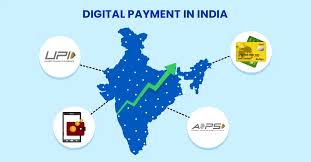
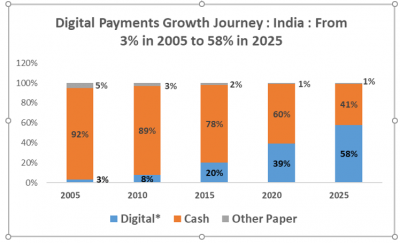
India’s digital payment landscape has witnessed unprecedented growth, with transactions exceeding 18,000 crore in the fiscal year 2024-25. This surge underscores the nation’s shift towards a cashless economy and highlights the effectiveness of platforms like the Unified Payments Interface (UPI) and Immediate Payment Service (IMPS).
Unified Payments Interface (UPI): The Catalyst of Digital Transactions
Introduced in 2016 by the National Payments Corporation of India (NPCI), UPI has revolutionized digital payments by enabling instant inter-bank transactions through mobile devices. In January 2024 alone, UPI processed 12.20 billion transactions worth ₹18.41 trillion, marking a 1.5% increase from the previous month. This platform now accounts for nearly 80% of all digital payments in India, reflecting its widespread adoption and trust among users.
Immediate Payment Service (IMPS): Ensuring 24/7 Fund Transfers
Launched in 2010, IMPS offers instant inter-bank electronic fund transfers, operating 24/7, including bank holidays. As of April 2023, 722 banks have adopted IMPS, facilitating approximately 200 million transactions monthly. This service has been pivotal in promoting digital transactions, especially for users seeking immediate fund transfers without time constraints.
Factors Driving the Surge in Digital Payments
Several elements have contributed to the exponential growth of digital payments in India:
- Government Initiatives: Programs like Digital India have promoted digital literacy and infrastructure, encouraging citizens to adopt online payment methods.
- Smartphone Penetration: The widespread availability of affordable smartphones has made digital payment platforms more accessible to the masses.
- COVID-19 Pandemic: The pandemic accelerated the shift towards contactless payments, with many preferring digital transactions over cash to minimize physical contact.
Challenges and the Road Ahead
Despite the impressive growth, challenges such as cybersecurity threats, digital literacy gaps, and infrastructural limitations persist. Addressing these issues is crucial for sustaining the momentum of digital payment adoption. Continuous efforts in enhancing security measures, educating users, and upgrading infrastructure are essential to ensure the reliability and inclusivity of digital payment systems.
Why This News is Important
Reflecting Economic Digitization
The milestone of surpassing 18,000 crore digital transactions signifies India’s rapid economic digitization. It showcases the country’s progress towards a cashless economy, enhancing transparency and reducing the shadow economy.
Implications for Government Exam Aspirants
For aspirants of government exams, understanding the dynamics of digital payments is vital. Questions related to platforms like UPI and IMPS, their impact on the economy, and associated government initiatives are common in examinations. Staying informed about these developments can provide a competitive edge.
Historical Context
Evolution of Digital Payments in India
India’s journey towards digital payments began with the introduction of electronic fund transfer systems like NEFT and RTGS. The launch of IMPS in 2010 marked a significant advancement, offering real-time fund transfers. However, the game-changer was the introduction of UPI in 2016, simplifying transactions and integrating multiple bank accounts into a single mobile application. This evolution reflects the country’s commitment to embracing technology for financial inclusion.
Key Takeaways from India’s Digital Payment Surge
| S.No | Key Takeaway |
|---|---|
| 1 | Digital payment transactions in India exceeded 18,000 crore in FY 2024-25. |
| 2 | UPI processed 12.20 billion transactions worth ₹18.41 trillion in January 2024. |
| 3 | IMPS has 722 member banks and facilitates approximately 200 million transactions monthly. |
| 4 | Digital payments now constitute nearly 80% of all transactions in India. |
| 5 | Government initiatives, smartphone penetration, and the COVID-19 pandemic have accelerated digital payment adoption. |
AQs: Frequently Asked Questions
- What was the total number of digital transactions recorded in India in FY 2024-25?
- India recorded over 18,000 crore digital payment transactions in FY 2024-25.
- Which platform contributed the most to digital transactions in India?
- The Unified Payments Interface (UPI) contributed the most, accounting for nearly 80% of digital transactions.
- What was the transaction volume of UPI in January 2024?
- UPI processed 12.20 billion transactions worth ₹18.41 trillion in January 2024.
- What is the role of IMPS in digital payments?
- Immediate Payment Service (IMPS) facilitates real-time interbank fund transfers and operates 24/7.
- How has the Indian government supported the growth of digital payments?
- Initiatives like Digital India, BHIM UPI, and incentives for merchants have accelerated digital adoption.
Some Important Current Affairs Links