









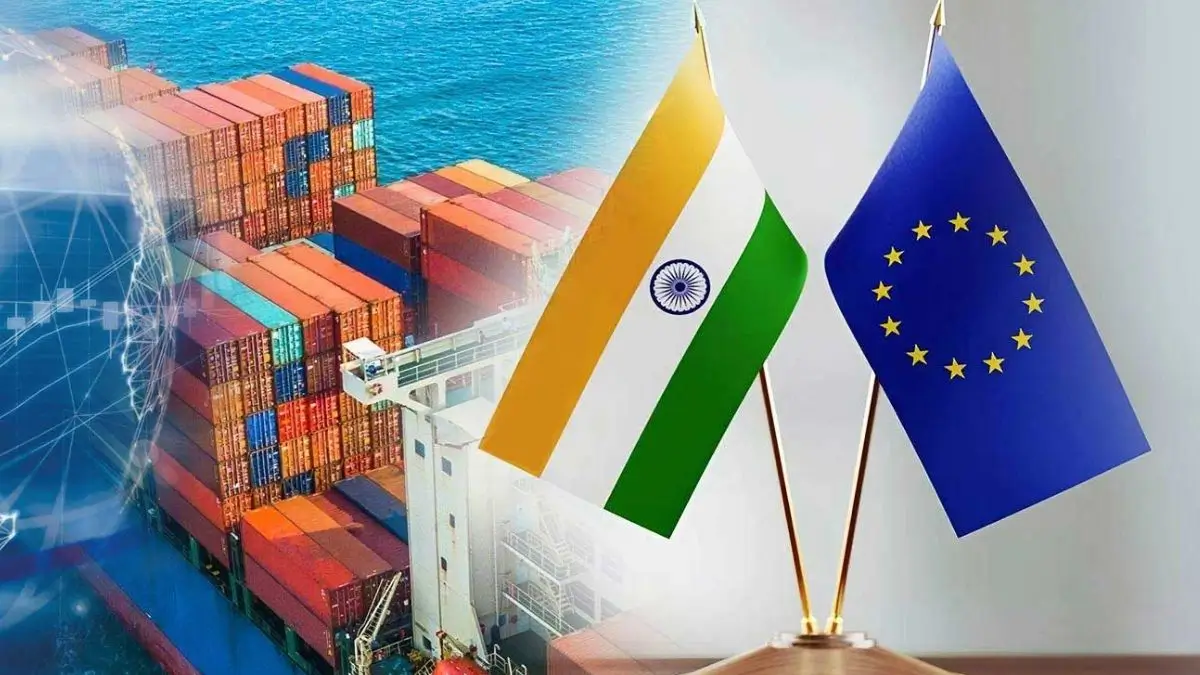
EU marine export India approval 2026 allows continued seafood exports including shrimp and fish. Learn impact on India–EU trade, MPEDA role, and key exam points.
India–EU Trade Boost for Marine Exports
The European Union (EU) has included India in its revised draft list allowing continued export of aquaculture and marine products beyond September 2026. This decision comes as a major relief for India’s seafood industry, which was earlier facing uncertainty due to exclusion from an EU regulation issued in 2024.
The revised draft list, published on 12 May 2026, confirms that Indian marine products such as shrimp, fish, squid, and other aquaculture items can continue entering the European market. This move reflects the EU’s confidence in India’s food safety systems, antimicrobial residue control, and export compliance standards.
🌍 Background of the EU Decision
Earlier, India was excluded from the EU’s Implementing Regulation (EU) 2024/2598, which listed countries allowed to export animal-origin food products after September 2026. This raised concerns among exporters about a potential trade disruption.
However, after India strengthened its compliance under EU antimicrobial regulations and food safety monitoring systems, the EU reassessed its decision. The updated draft now restores India’s eligibility, ensuring uninterrupted trade in marine and aquaculture products.
📈 Impact on India’s Seafood Exports
India is one of the largest exporters of seafood globally, and the EU is a key market. The region accounts for nearly 18.94% of India’s total seafood export value, worth around USD 1.59 billion.
The EU remains India’s third-largest seafood export destination after the United States and China. Major export items include frozen shrimp, fish, squid, cuttlefish, and processed marine products. This approval is expected to stabilize export earnings and strengthen India’s position in global seafood trade.
⚖️ Significance for Trade Relations
This decision is also significant in the context of India–EU trade relations and ongoing cooperation in food safety standards. It strengthens trust between both sides and supports the broader India–EU Free Trade Agreement discussions.
The inclusion of India ensures continuity in supply chains and prevents disruptions for thousands of exporters, fishermen, and aquaculture businesses across coastal states such as Andhra Pradesh, Tamil Nadu, Kerala, and Odisha.

🎯 Why this News is Important
📌 Strengthening India’s Export Economy
This decision is crucial because marine exports form a major part of India’s agricultural export basket. Continued access to the EU market ensures stable foreign exchange earnings and protects the livelihood of millions dependent on fisheries and aquaculture.
📌 Boost for Trade Relations with EU
The move reflects improved India–EU cooperation, especially in regulatory standards and food safety compliance. It also supports ongoing Free Trade Agreement discussions, which aim to further expand bilateral trade.
📌 Stability for Seafood Industry
Earlier exclusion created uncertainty among exporters. The revised inclusion restores confidence and ensures uninterrupted trade, which is essential for maintaining India’s global seafood competitiveness.
📌 Relevance for Government Exams
This development is important for questions related to:
- International trade
- India–EU relations
- Export policies
- Agriculture and fisheries economy
- Current affairs in economic diplomacy
📚 Historical Context
India has been one of the leading exporters of seafood for decades, with frozen shrimp being the dominant export product. The European Union has traditionally been a strict but high-value market for marine exports due to its strong food safety and antimicrobial regulations.
In 2024, the EU released a regulation that excluded India from the list of approved countries for animal-origin food exports after 2026. This created concern in India’s seafood export industry, as the EU is a major premium market.
However, India’s Export Inspection Council (EIC) and Marine Products Export Development Authority (MPEDA) worked to improve compliance with EU standards, including antimicrobial residue monitoring and certification systems. These efforts eventually led to India’s reinstatement in the updated EU draft list in 2026.
📊 Key Takeaways from EU Clears India for Marine Exports
| S.No | Key Takeaway |
|---|---|
| 1 | EU included India in revised draft list for continued marine exports beyond September 2026 |
| 2 | Earlier 2024 EU regulation had excluded India from approved exporter countries |
| 3 | India strengthened compliance with EU antimicrobial and food safety standards |
| 4 | EU is India’s third-largest seafood export market, accounting for ~18.94% share |
| 5 | Decision ensures uninterrupted exports of shrimp, fish, squid, and other marine products |
FAQs: European Union Clears India for Marine Product Exports
Q1. Why did the European Union include India in its revised draft list?
The EU included India after reviewing its improved compliance with antimicrobial residue limits and food safety standards in marine exports.
Q2. What was the issue faced by India earlier in 2024?
India was initially excluded from the EU’s approved list for animal-origin food exports after September 2026 due to regulatory compliance concerns.
Q3. Which authority manages India’s seafood export compliance?
The Export Inspection Council (EIC) and Marine Products Export Development Authority (MPEDA) manage export quality and compliance standards.
Q4. Which are the major marine products exported from India to the EU?
India exports frozen shrimp, fish, squid, cuttlefish, and other processed seafood products to the EU market.
Q5. Why is the EU market important for India’s seafood sector?
The EU is India’s third-largest seafood export destination, accounting for nearly 18.94% of export value.
Q6. How does this decision benefit Indian fishermen and exporters?
It ensures stable demand, prevents trade disruption, and protects the income of millions involved in fisheries and aquaculture.
Q7. Which Indian states benefit most from seafood exports?
Major coastal states like Andhra Pradesh, Tamil Nadu, Kerala, and Odisha benefit significantly from seafood export trade.
Some Important Current Affairs Links