



ECI Special Intensive Revision Phase III 2026 covers 36.73 crore voters across India to update electoral rolls, ensure accuracy, and strengthen free and fair elections under Article 324.
Introduction to the Nationwide Electoral Roll Revision
The Election Commission of India has launched Phase III of the Special Intensive Revision (SIR) of electoral rolls across 16 states and 3 Union Territories. This large-scale exercise aims to verify and update voter lists to ensure that only eligible citizens remain enrolled in the electoral database. According to the Commission, nearly 36.73 crore electors will be covered under this phase of the revision drive.
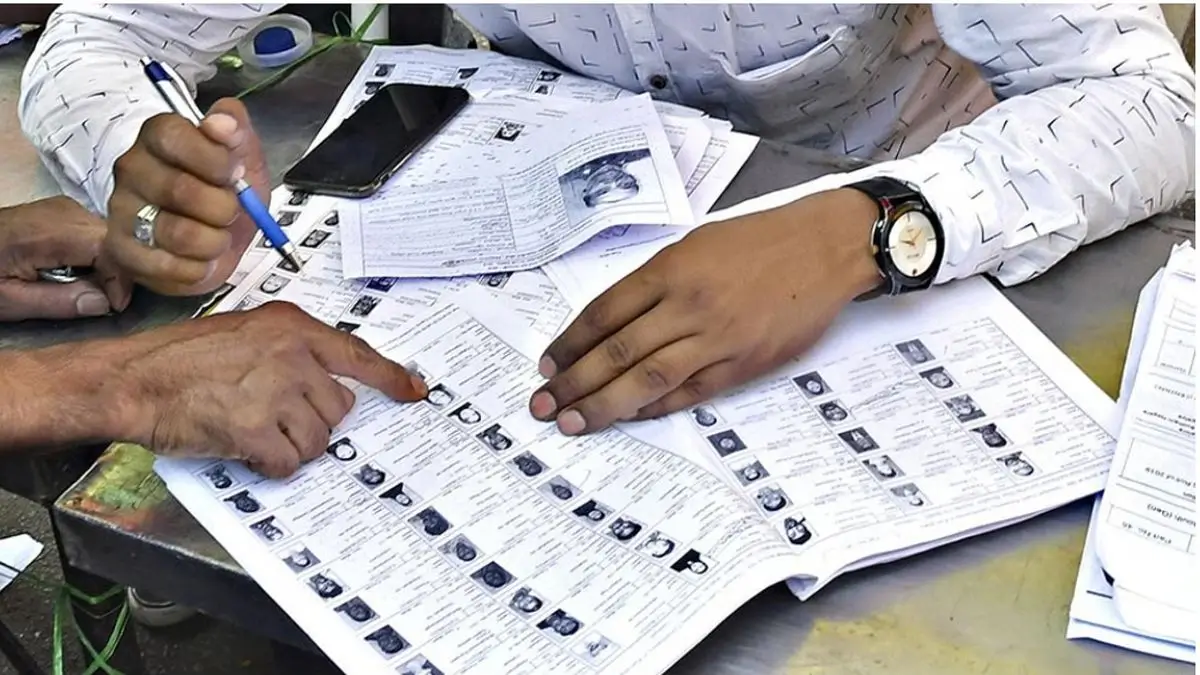
The revision process is one of the most significant voter verification exercises in recent years. It will involve massive door-to-door verification carried out by Booth Level Officers (BLOs), who serve as the grassroots functionaries of the election machinery. More than 3.94 lakh BLOs and lakhs of Booth Level Agents (BLAs) appointed by political parties will participate in the exercise.
States and Union Territories Covered Under Phase III
The third phase of the SIR exercise includes Andhra Pradesh, Arunachal Pradesh, Haryana, Jharkhand, Karnataka, Maharashtra, Manipur, Meghalaya, Mizoram, Nagaland, Odisha, Punjab, Sikkim, Telangana, Tripura, and Uttarakhand. The Union Territories covered are Chandigarh, Dadra and Nagar Haveli and Daman and Diu, and Delhi.
The Election Commission clarified that Himachal Pradesh, Jammu & Kashmir, and Ladakh have been excluded from this phase due to weather-related conditions and logistical challenges in snow-bound regions. Their schedules will be announced separately later.
Purpose of the Special Intensive Revision
The main objective of the Special Intensive Revision is to improve the accuracy and transparency of electoral rolls. The Election Commission seeks to remove duplicate entries, names of deceased voters, shifted voters, and ineligible persons while ensuring that every eligible citizen gets the opportunity to vote.
Accurate voter rolls are essential for conducting free and fair elections in a democracy. The revision process also strengthens the principle of “One Person, One Vote” by reducing irregularities and enhancing electoral integrity.
Door-to-Door Verification Process
Under Phase III, Booth Level Officers will conduct house-to-house visits to verify voter details. The officers will distribute enumeration forms to electors, which citizens must fill and return within the prescribed time frame. Political parties will also appoint Booth Level Agents to monitor the process and improve transparency.
The Election Commission emphasized that no documents will be collected during the initial distribution phase. However, discrepancies or doubtful entries may later undergo scrutiny or verification. This process is expected to improve the quality of electoral rolls before upcoming elections in various states.
Constitutional and Legal Basis of the Revision
The Election Commission derives its authority from Article 324 of the Constitution of India, which empowers it to supervise, direct, and control elections in the country. The Representation of the People Act, 1950, also authorizes the Commission to revise electoral rolls periodically.
The SIR process is considered an intensive exercise because it involves direct verification rather than merely updating names through annual summary revisions. Such exercises are usually conducted before major electoral cycles or when substantial corrections are required.
Significance for Governance and Democracy
The Special Intensive Revision has major implications for democratic governance. Accurate voter rolls help prevent electoral fraud, impersonation, and duplication of votes. They also increase public trust in the electoral process.
The revision drive reflects the Election Commission’s attempt to modernize voter verification and strengthen institutional credibility. Since India is the world’s largest democracy, maintaining updated electoral rolls is a critical administrative responsibility.
Political Reactions and Public Debate
The rollout of the SIR process has generated political discussions in several states. Opposition parties in some regions have raised concerns regarding possible deletion of genuine voters or misuse of the verification process. Meanwhile, the Election Commission has defended the exercise as a transparent and participative process involving voters, political parties, and election officials.
The Commission has repeatedly urged citizens to cooperate with Booth Level Officers during the verification process to avoid discrepancies in electoral records.
Relevance for Competitive Examinations
This development is highly important for aspirants preparing for UPSC, SSC, State PSCs, Banking, Railways, Defence, Police, and Teaching examinations. Questions may be asked regarding:
- Article 324 of the Constitution
- Functions of the Election Commission of India
- Electoral roll revision process
- Booth Level Officers (BLOs)
- Representation of the People Act, 1950
- Free and fair elections in India
Students should also remember the data related to the exercise, including the number of voters covered and states involved.

Why This News is Important
Importance for Indian Democracy
The launch of Phase III of the Special Intensive Revision is important because it directly affects the quality and reliability of India’s electoral system. Electoral rolls form the foundation of democratic elections. If voter lists contain errors such as duplicate names, deceased voters, or fake identities, the fairness of elections can be compromised. Therefore, periodic revision is necessary to maintain the credibility of the democratic process.
The exercise also demonstrates the Election Commission’s constitutional responsibility to ensure transparent and inclusive elections. Accurate electoral rolls help strengthen citizens’ faith in democratic institutions.
Importance for Governance and Administration
The revision exercise highlights the scale of India’s election management system. Deploying nearly four lakh Booth Level Officers for door-to-door verification reflects the administrative capacity required to conduct elections in a country with a massive population.
This news is also important because it showcases coordination between the Election Commission, local administration, and political parties. Such coordination is crucial for effective governance and institutional functioning.
Importance for Competitive Examinations
The topic is highly relevant for competitive examinations because questions on constitutional bodies and electoral reforms are frequently asked in UPSC, State PSCs, SSC, Banking, and Defence exams.
Candidates should focus on:
- Article 324 of the Constitution
- Electoral reforms in India
- Functions of the Election Commission
- Representation of the People Act
- Electoral roll preparation and revision
The data points, such as coverage of 36.73 crore electors and involvement of 3.94 lakh BLOs, are especially important for prelims-oriented objective questions.
Historical Context
Evolution of Electoral Roll Revision in India
India has conducted periodic electoral roll revisions since the early years after independence. Initially, intensive revisions were carried out through extensive field verification before major elections. Over time, annual summary revisions became more common to reduce administrative burden.
However, with growing concerns about duplicate voters, migration, demographic changes, and fake entries, the Election Commission revived intensive verification exercises in several phases. The Special Intensive Revision process represents a modernized effort to clean electoral databases and improve voter accuracy.
Constitutional Role of the Election Commission
The Election Commission of India was established under Article 324 of the Constitution. It is an independent constitutional body responsible for supervising elections to Parliament, State Legislatures, and the offices of the President and Vice-President.
Over the decades, the Commission has introduced several reforms such as Electronic Voting Machines (EVMs), Voter Verified Paper Audit Trails (VVPATs), voter awareness campaigns, and digitized electoral rolls to strengthen democracy.
Previous Phases of the SIR Exercise
Before Phase III, the Election Commission had already completed earlier phases in several states and Union Territories. According to reports, earlier phases resulted in the removal of duplicate or ineligible names from voter rolls.
The current expansion of the exercise across most parts of the country marks one of the largest electoral verification efforts in recent times.
Key Takeaways from This News
| S.No. | Key Takeaway |
|---|---|
| 1 | The Election Commission launched Phase III of the Special Intensive Revision (SIR) of electoral rolls. |
| 2 | Around 36.73 crore electors across 16 states and 3 Union Territories will be covered. |
| 3 | More than 3.94 lakh Booth Level Officers (BLOs) will conduct door-to-door voter verification. |
| 4 | The revision exercise is conducted under the powers granted by Article 324 of the Constitution of India. |
| 5 | The objective of the SIR exercise is to remove duplicate and ineligible voters while ensuring fair elections. |
FAQs (Frequently Asked Questions)
1. What is the Special Intensive Revision (SIR) of electoral rolls?
The Special Intensive Revision (SIR) is a large-scale voter list verification exercise conducted by the Election Commission of India to update and clean electoral rolls by removing duplicate, deceased, shifted, or ineligible voters while ensuring inclusion of all eligible citizens.
2. Which constitutional body conducts the electoral roll revision in India?
The Election Commission of India (ECI), a constitutional body under Article 324 of the Indian Constitution, conducts the electoral roll revision.
3. How many voters are covered under Phase III of SIR?
Phase III of the Special Intensive Revision covers approximately 36.73 crore electors across selected states and Union Territories.
4. What is the role of Booth Level Officers (BLOs) in this exercise?
Booth Level Officers conduct door-to-door verification of voters, distribute enumeration forms, and ensure accurate updating of electoral records at the grassroots level.
5. Why is electoral roll revision important for elections?
It ensures accurate voter lists, prevents duplication or fraud, strengthens transparency, and supports free and fair elections in India.
6. Which states and UTs are included in Phase III?
Major states include Maharashtra, Karnataka, Telangana, Odisha, Punjab, and others, along with UTs like Delhi, Chandigarh, and Dadra and Nagar Haveli & Daman and Diu.
Some Important Current Affairs Links