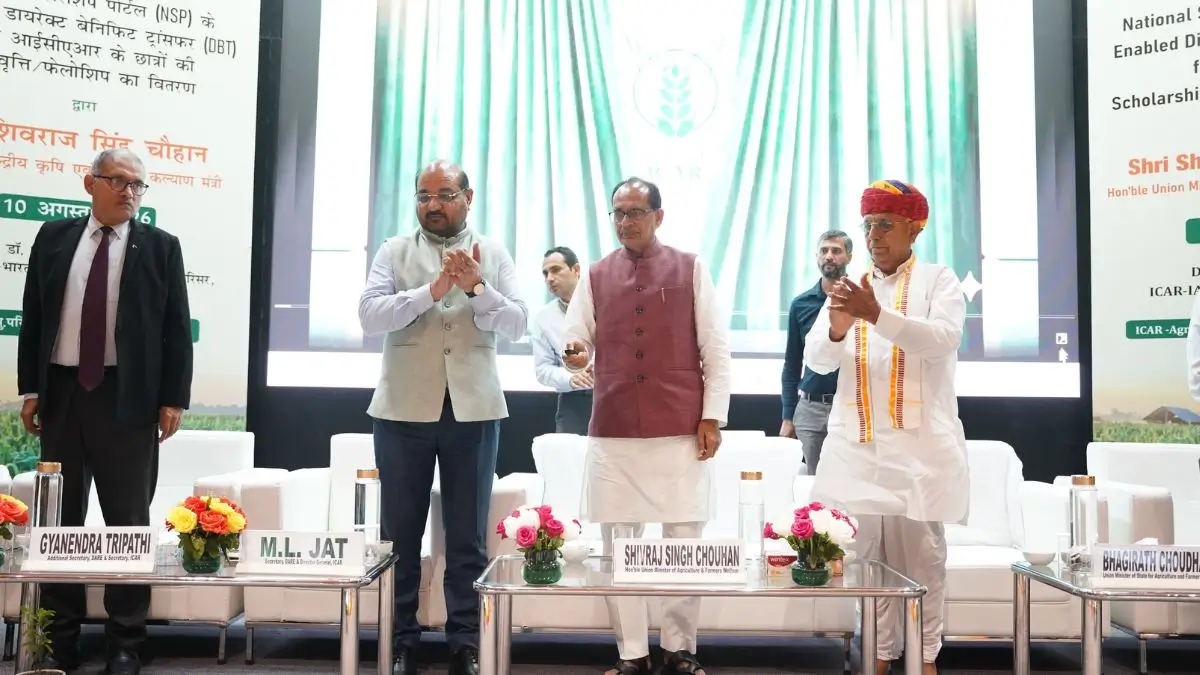







Basmati organic training centre Pilibhit initiative by APEDA aims to boost agricultural exports, promote organic farming, and enhance farmer income in India.
APEDA to Set Up Basmati and Organic Training Centre in Pilibhit to Boost Exports
Introduction to the Initiative
The Agricultural and Processed Food Products Export Development Authority has announced a major initiative to establish a Basmati and Organic Training Centre-cum-Demonstration Farm in Pilibhit district of Uttar Pradesh. This move aims to strengthen India’s agricultural export ecosystem, particularly in the high-value basmati rice segment. The project is part of the government’s broader strategy to enhance farmers’ income and promote sustainable agricultural practices.
Location and Infrastructure Details
The training centre will be developed on approximately 7 acres of land in Tanda Bijaisi village, Pilibhit. The facility will include advanced infrastructure such as an auditorium, museum, gallery on basmati and organic farming, laboratories, conference rooms, and storage facilities for organic inputs. These features will make it a comprehensive hub for agricultural education, research, and export-oriented training.
Focus on Basmati and Organic Farming
The centre will focus on both conventional and organic basmati cultivation, making it India’s first integrated training and demonstration farm in this domain. Farmers will be trained in modern cultivation techniques, seed production, and export standards to ensure high-quality output. This initiative is expected to promote sustainable farming practices while enhancing global competitiveness.
Investment and Implementation
The project is estimated to cost around ₹15 crore, and its construction is expected to be completed within a year. A 70-year lease agreement has been signed between APEDA, the Uttar Pradesh government, and the Department of Agriculture for land allocation. This long-term commitment reflects the government’s focus on strengthening agricultural infrastructure.
Boost to Farmers and Exports
The training centre will directly benefit farmers in Uttar Pradesh and neighbouring states like Uttarakhand by improving their technical knowledge and productivity. It will also enhance India’s basmati export potential by ensuring adherence to international quality standards. The initiative aligns with India’s goal of increasing agricultural exports and positioning itself as a global leader in premium rice production.

Why This News is Important
Enhancing India’s Agricultural Exports
This initiative is crucial as it directly supports India’s ambition to increase agricultural exports. Basmati rice is one of India’s key export commodities, contributing significantly to foreign exchange earnings. By improving quality and training farmers, the project will help India maintain its dominance in global basmati markets.
Promoting Sustainable Agriculture
The focus on organic farming is particularly significant in the context of environmental sustainability. With increasing global demand for organic products, this centre will help Indian farmers adopt eco-friendly practices and tap into premium international markets.
Capacity Building for Farmers
The training centre will serve as a knowledge hub, equipping farmers with modern techniques and export readiness. This will lead to better productivity, higher incomes, and reduced dependency on traditional farming methods.
Regional Economic Development
Pilibhit and surrounding regions will benefit from improved agricultural infrastructure and employment opportunities. The project will also encourage agri-based industries and entrepreneurship.
Historical Context
Role of APEDA in Agricultural Exports
The Agricultural and Processed Food Products Export Development Authority was established in 1986 under the Ministry of Commerce and Industry to promote exports of agricultural and processed food products from India. Over the years, APEDA has played a crucial role in developing export infrastructure, quality standards, and market access for Indian farmers.
Growth of Basmati Rice Exports
India has long been the world’s largest exporter of basmati rice, supplying to over 100 countries. Regions like Punjab, Haryana, and western Uttar Pradesh have traditionally dominated production. However, initiatives like this aim to expand cultivation to new regions like Pilibhit.
Shift Towards Organic Farming
In recent years, there has been a global shift towards organic food consumption. India has responded by promoting organic farming through various schemes and export initiatives. The Pilibhit training centre is a continuation of this policy direction, integrating organic practices with export-oriented agriculture.
Key Takeaways from This News
| S.No | Key Takeaway |
|---|---|
| 1 | APEDA will establish a Basmati and Organic Training Centre in Pilibhit, Uttar Pradesh |
| 2 | The project will be developed on 7 acres with advanced training and research facilities |
| 3 | It will be India’s first integrated basmati and organic training-cum-demo farm |
| 4 | The initiative aims to boost agricultural exports and promote sustainable farming |
| 5 | Farmers will receive training in modern techniques, improving productivity and income |
FAQs: APEDA Basmati and Organic Training Centre Initiative
1. What is APEDA and under which ministry does it function?
Agricultural and Processed Food Products Export Development Authority is an apex body under the Ministry of Commerce and Industry, responsible for promoting agricultural and processed food exports.
2. Where will the new training centre be established?
The centre will be set up in Pilibhit district of Uttar Pradesh, a region known for its agricultural productivity.
3. What is the main objective of this training centre?
The primary objective is to train farmers in basmati rice cultivation and organic farming, enhancing export quality and boosting India’s global competitiveness.
4. Why is basmati rice important for India’s economy?
Basmati rice is a major export commodity, contributing significantly to foreign exchange earnings and strengthening India’s agricultural trade.
5. What facilities will the centre provide?
The centre will include training halls, laboratories, demonstration farms, storage units, and research facilities for both conventional and organic farming.
6. How will this initiative benefit farmers?
Farmers will gain knowledge of modern farming techniques, improve productivity, and access international markets, leading to higher incomes.
7. What is the significance of organic farming in this project?
Organic farming meets rising global demand for eco-friendly products and helps Indian farmers access premium export markets.
8. When was APEDA established?
APEDA was established in 1986 to promote agricultural exports from India.
Some Important Current Affairs Links