






Israel withdraws from seven UN agencies citing bias and inefficiency. Learn the impact on international relations, diplomacy, and global governance.
Israel Withdraws from Seven UN Agencies Over Alleged Bias
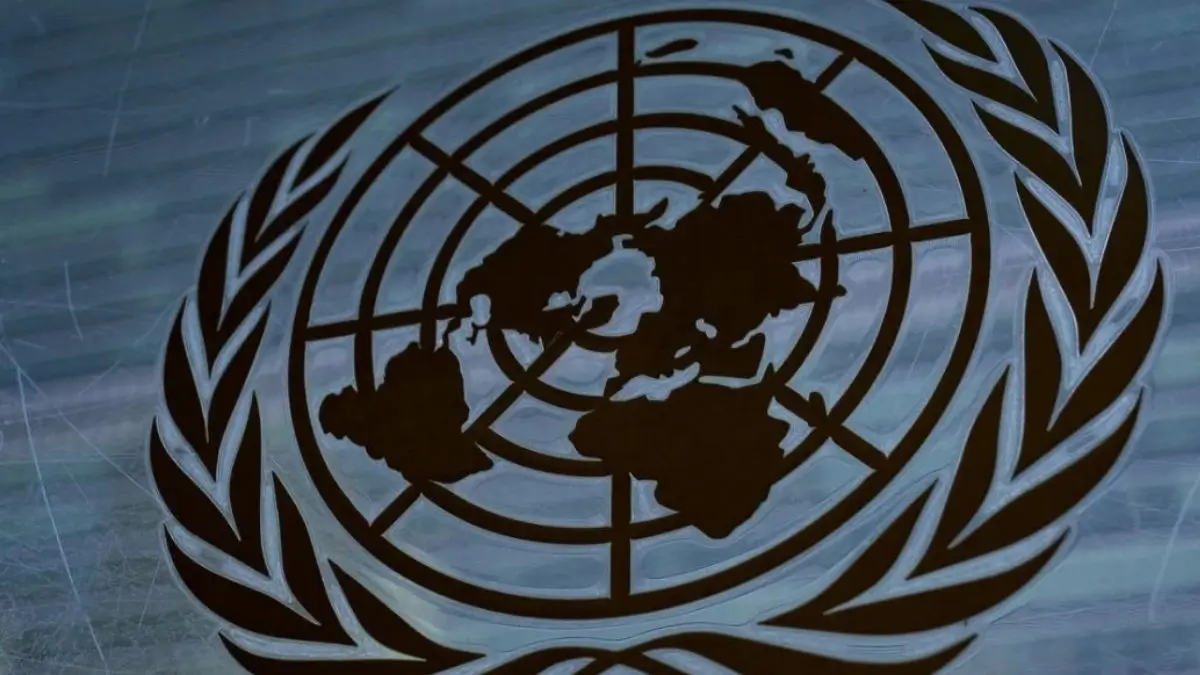
Israel has announced its immediate withdrawal from seven United Nations (UN) agencies and affiliated bodies, citing persistent anti-Israel bias and inefficiency within these international organisations. The decision was declared by Israeli Foreign Minister Gideon Sa’ar in early January 2026 during a press statement summarising the government’s latest foreign policy moves.
The agencies affected by the withdrawal include:
- Office of the Special Representative of the Secretary-General for Children and Armed Conflict
- UN Entity for Gender Equality and the Empowerment of Women (UN Women)
- UN Conference on Trade and Development (UNCTAD)
- UN Economic and Social Commission for Western Asia (ESCWA)
- UN Alliance of Civilizations
- UN Energy
- Global Forum on Migration and Development
These agencies span a wide range of diplomatic, socio-economic, and humanitarian work, from addressing child welfare in conflict zones to promoting gender equality and energy cooperation. However, Israel’s government has argued that they have failed to uphold impartiality and effectively represent its interests.
Background of the Withdrawal Decision
According to official statements, the withdrawal was prompted by Israel’s concerns about systematic “anti-Israel” bias and politicised reporting by some UN bodies. For instance, the Office dealing with children in armed conflict was criticised for placing Israel on a so-called “blacklist” alongside extremist groups, while UN Women was accused of overlooking crimes committed against Israeli women.
Israel also described several of the organisations as bureaucratically inefficient and no longer serving their intended global purposes. By cutting ties, it has signalled a broader shift in its diplomatic engagement with multilateral institutions, following similar measures taken by the United States.
This decision reflects Israel’s increasingly assertive foreign policy stance, particularly in international forums where it perceives consistent critique regarding the ongoing conflict with Hamas and its military operations in Gaza.
Reactions and Global Response
The international reaction has been mixed. Some allied governments, including the United States, have echoed concerns about bias in certain UN agencies and have initiated similar reviews of multilateral engagement strategies. Others, however, warn that such steps risk undermining cooperative global efforts in areas like gender equality, social development, and conflict-related child protection.
UN representatives have reiterated the organisation’s commitment to impartiality, arguing that decisions about membership and participation should be addressed through diplomatic channels and multilateral dialogue rather than unilateral withdrawals.
Impact on International Relations
Experts suggest that Israel’s withdrawal could have long-term implications for both its global standing and broader multilateral diplomacy. By disconnecting from agencies playing key roles in socio-economic and humanitarian spheres, Jerusalem may limit its capacity to shape international policy on issues ranging from trade to gender empowerment.
The move may also signal a trend toward selective participation in global governance structures, especially when nations feel that such institutions do not align with their national interests or security priorities.

Why This News Is Important for Government Exam Aspirants
Relevance to International Affairs & Diplomacy
Understanding this decision is crucial for competitive exams like UPSC, PSC, SSC, Railways, and Defence because it highlights current geopolitical trends, foreign policy strategy, and how nations interact with multilateral institutions such as the United Nations. International affairs questions often test candidates on diplomatic decisions and global governance impacts.
Insights into Multilateralism and Global Governance
This news sheds light on the functioning and criticism of global institutions. Aspirants must grasp how countries perceive organisations like UN Women or UNCTAD and why they might choose to disengage from them. The article is directly relevant to topics in International Relations, Global Politics and World Organisations.
Understanding Bias and Diplomacy
The story also educates candidates on how allegations of institutional bias can affect diplomatic ties and influence bilateral or multilateral cooperation. It reinforces the importance of analysing international reports for objectivity and geopolitical implications—a key skill in descriptive exams and interviews.
Historical Context of Israel–UN Relations
Early Engagement with the United Nations
Israel became a member of the United Nations in 1949, soon after its establishment as a sovereign state. Since then, it has engaged with the global body in various capacities, participating in peacekeeping debates, economic cooperation, and regional stability discussions.
Recurring Tensions Over Palestinian Issues
The Israel–UN relationship has been marked by frequent tension, mainly due to repeated resolutions regarding Palestinian territories, settlements, and military operations. Over the years, several UN bodies have passed significant resolutions critical of Israeli policies, leading to diplomatic friction.
Previous Withdrawals & Similar Moves
Israel has historically taken issue with certain UN bodies. For example, it faced a previous context of withdrawal or distancing in various UN forums following contentious resolutions and perceptions of bias. Similarly, the United States under different administrations has also withdrawn from agencies like UNESCO, citing anti-Israel sentiment.
Shift in Global Multilateral Engagement
This recent move by Jerusalem reflects a broader pattern where nation-states re-evaluate multilateral cooperation to ensure alignment with national interests. Post-pandemic geopolitics, regional conflicts, and shifts in global power dynamics have influenced countries to adopt more selective international engagement strategies.
Key Takeaways from Israel Withdraws from Seven UN Agencies
| S.No. | Key Takeaway |
|---|---|
| 1 | Israel has announced its withdrawal from seven UN agencies citing alleged bias and bureaucratic inefficiency. |
| 2 | The withdrawn agencies include entities dealing with child protection, gender equality, trade, and migration. |
| 3 | Foreign Minister Gideon Sa’ar stated that some UN bodies exhibited persistent anti-Israel bias. |
| 4 | The move follows similar action by the United States, which has also reviewed participation in international organisations. |
| 5 | The decision reflects broader geopolitical shifts and may influence Israel’s future engagement with global governance institutions. |
FAQs: Frequently Asked Questions
1. Why did Israel withdraw from seven UN agencies?
Israel withdrew from seven UN agencies due to alleged anti-Israel bias and perceived inefficiency in these organizations, according to the Israeli Foreign Ministry.
2. Which UN agencies were affected by Israel’s withdrawal?
The withdrawal included: UN Women, UNCTAD, ESCWA, Office for Children in Armed Conflict, UN Alliance of Civilizations, UN Energy, and the Global Forum on Migration and Development.
3. Who announced Israel’s withdrawal from the UN agencies?
The announcement was made by Israeli Foreign Minister Gideon Sa’ar in early January 2026.
4. Has any other country taken similar action before?
Yes, the United States has previously withdrawn from or reviewed participation in certain UN bodies citing similar concerns about bias.
5. What are the implications of this withdrawal?
The decision may impact Israel’s engagement in global diplomacy, international policymaking, and cooperation in humanitarian and socio-economic initiatives.
6. How does this news relate to competitive exams?
It is relevant for exams like UPSC, PSC, SSC, Railways, Defence, and Banking, under current affairs, international relations, and global organizations topics.
7. What does this indicate about Israel’s foreign policy?
It reflects a trend of assertive foreign policy and selective participation in multilateral institutions to protect national interests.
Some Important Current Affairs Links