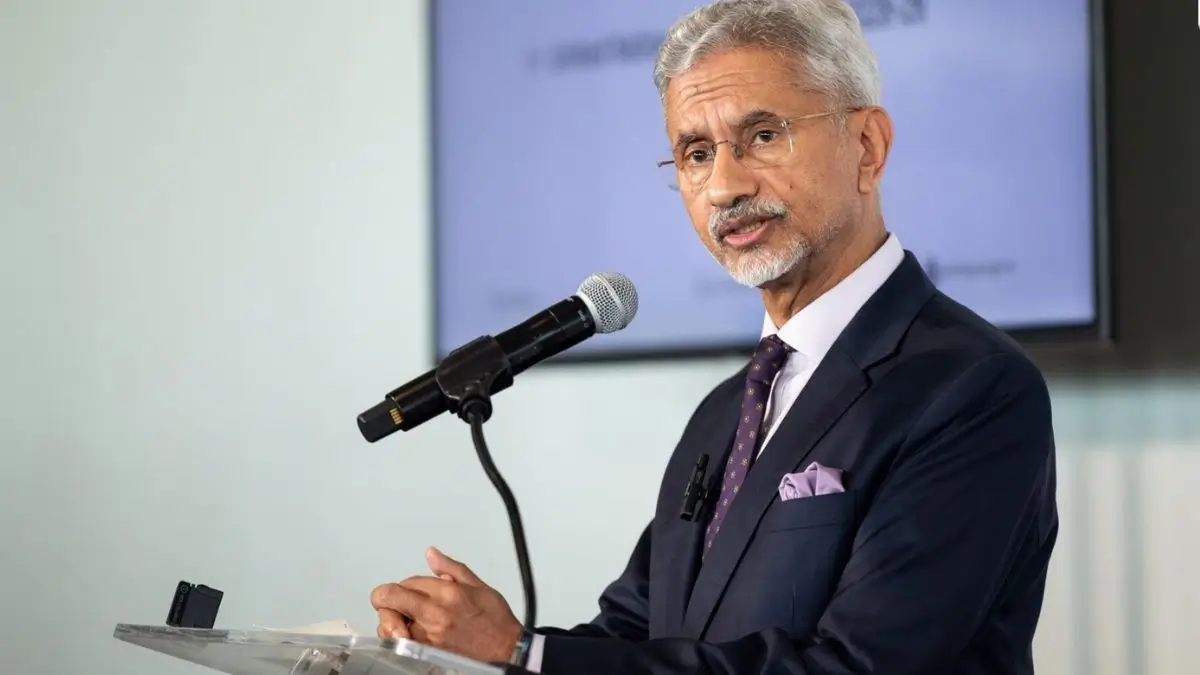









George Kurian resignation news highlights BJP’s decision to deny Rajya Sabha re-nomination, leading to the Union Minister’s resignation. Learn key facts, constitutional provisions, political significance, and exam-oriented insights for UPSC, SSC, Banking, Railway, Defence, and State PSC aspirants.
George Kurian Steps Down from Union Council of Ministers
Union Minister of State George Kurian resigned from the Union Council of Ministers after the Bharatiya Janata Party (BJP) did not nominate him for another term in the Rajya Sabha. His resignation was accepted by President Droupadi Murmu on the advice of Prime Minister Narendra Modi. The development has attracted significant political attention because it comes amid discussions about cabinet restructuring and the BJP’s strategy for Rajya Sabha representation.
Who is George Kurian?
George Kurian is a senior BJP leader from Kerala and has been associated with the party since its early years. A lawyer by profession, he has served in several important organizational positions within the BJP and has also worked with the National Commission for Minorities. In June 2024, he was inducted into the Union Council of Ministers in the third Modi government and was assigned responsibilities in the Ministries of Minority Affairs and Fisheries, Animal Husbandry and Dairying.
Rajya Sabha Membership and Political Journey
Kurian entered the Rajya Sabha from Madhya Pradesh in August 2024 after a vacancy arose due to the election of Jyotiraditya Scindia to the Lok Sabha. His parliamentary tenure was relatively short because he was elected to complete the remaining portion of the vacant term rather than a full six-year tenure. His Rajya Sabha term concluded in June 2026.
BJP’s Decision on Rajya Sabha Nominations
Ahead of the 2026 Rajya Sabha elections, the BJP announced a new set of candidates. Notably, George Kurian and another Union Minister, Ravneet Singh Bittu, were not included in the party’s list of nominees. This decision led to speculation regarding a possible cabinet reshuffle and changes in the party’s representation strategy.
Significance for Kerala Politics
George Kurian has often been viewed as one of the BJP’s prominent Christian faces in Kerala. His inclusion in the Union Cabinet in 2024 was seen as part of the BJP’s efforts to expand its outreach among minority communities in the state. His resignation has therefore generated discussion about the future political representation of Kerala leaders in the Union government.
Constitutional Aspect of the Resignation
According to India’s parliamentary system, a minister who is not a member of either House of Parliament for more than six months cannot continue in office. Since George Kurian’s Rajya Sabha term ended and he was not re-nominated, his continuation as a minister became constitutionally difficult. Therefore, his resignation was a necessary procedural step.
Reactions Following the Resignation
After his resignation was accepted, George Kurian expressed gratitude to Prime Minister Narendra Modi and stated that he had received the opportunity to serve as a Union Minister because of the Prime Minister’s confidence in him. His statement reflected appreciation for his tenure in the Union government.
Importance for Competitive Examinations
For aspirants preparing for UPSC, State PSCs, SSC, Banking, Railways, Defence, Teaching, and Police examinations, this development is important because it highlights the relationship between parliamentary membership and ministerial positions. Questions related to Rajya Sabha membership, constitutional provisions regarding ministers, cabinet reshuffles, and political representation often appear in current affairs and polity sections of competitive examinations.

B) Why This News Is Important
Importance from a Constitutional Perspective
The resignation of George Kurian is important because it demonstrates how India’s parliamentary democracy functions. Ministers are generally expected to be members of Parliament, and the Constitution places restrictions on how long a non-member can remain in the Council of Ministers. Understanding these provisions is crucial for examinations covering Indian Polity and Governance.
Importance for Political Developments
The BJP’s decision not to renominate George Kurian has generated discussions regarding future cabinet restructuring and party strategy. Such developments help students understand how political parties manage representation across regions, communities, and legislative bodies.
Importance for Rajya Sabha-Related Questions
The news provides an opportunity to revise important concepts related to the Rajya Sabha, including membership, tenure, by-elections, and the process of nomination and election. Questions on the structure and functioning of Parliament are common in government examinations.
Importance for Current Affairs Preparation
Current affairs involving Union Ministers, Parliament, and major political decisions are frequently asked in UPSC, State PSC, SSC, Railway, Banking, and Defence examinations. Students should remember George Kurian’s ministerial portfolios and the circumstances surrounding his resignation.
C) Historical Context
Growth of BJP in Kerala
Kerala has traditionally been dominated by the Left Democratic Front (LDF) and the United Democratic Front (UDF). The BJP has historically faced challenges in gaining a strong electoral foothold in the state. As a result, leaders like George Kurian have played important roles in expanding the party’s organizational network and outreach efforts.
Minority Representation in National Politics
Successive governments in India have sought to ensure representation of different social and religious communities in governance structures. George Kurian’s appointment as a Union Minister in 2024 was viewed as an attempt to strengthen engagement with Christian communities, particularly in Kerala.
Evolution of the Rajya Sabha
The Rajya Sabha, established in 1952, serves as the Upper House of Parliament and represents the states of India. Members are elected indirectly by state legislatures, while some members are nominated by the President. The institution plays a critical role in legislative review and federal representation.
Cabinet Reshuffles in Indian Politics
Cabinet reshuffles have been a common feature of Indian governments. Prime Ministers often make changes to improve governance, reward performance, ensure regional representation, or adjust political strategy. The developments surrounding George Kurian’s resignation fit within this broader tradition of political and administrative adjustments.
D) Key Takeaways from This News
Key Takeaways from George Kurian’s Resignation as Union Minister
| S.No. | Key Takeaway |
|---|---|
| 1 | George Kurian resigned as Union Minister after the completion of his Rajya Sabha term. |
| 2 | President Droupadi Murmu accepted his resignation on the advice of Prime Minister Narendra Modi. |
| 3 | The BJP did not renominate George Kurian for a fresh Rajya Sabha term. |
| 4 | George Kurian served as Minister of State for Minority Affairs and Fisheries, Animal Husbandry and Dairying. |
| 5 | The development highlights the constitutional importance of parliamentary membership for ministers and is relevant for competitive examination preparation. |
FAQs: Frequently Asked Questions
1. Who is George Kurian?
George Kurian is a senior BJP leader from Kerala who served as Union Minister of State in the Government of India.
2. Why did George Kurian resign from the Union Council of Ministers?
He resigned after the BJP did not nominate him for another Rajya Sabha term, leading to the end of his parliamentary membership.
3. Which ministries were handled by George Kurian?
He served as Minister of State in the Ministry of Minority Affairs and the Ministry of Fisheries, Animal Husbandry and Dairying.
4. Which political party does George Kurian belong to?
He is a member of the Bharatiya Janata Party (BJP).
5. From which state was George Kurian elected to the Rajya Sabha?
He was elected to the Rajya Sabha from Madhya Pradesh.
6. Who accepts the resignation of a Union Minister?
The President of India accepts the resignation of a Union Minister on the advice of the Prime Minister.
7. Who was the President of India when George Kurian’s resignation was accepted?
President Droupadi Murmu accepted his resignation.
8. What is the Rajya Sabha?
The Rajya Sabha is the Upper House of the Indian Parliament and represents the states and union territories.
9. Under which Article of the Constitution can a non-member be a minister for a limited period?
Article 75(5) allows a person who is not a member of Parliament to serve as a minister for a maximum of six months.
10. Why is this news important for competitive examinations?
The news is relevant for questions related to Parliament, Rajya Sabha, Union Council of Ministers, Constitutional provisions, and current political developments.
11. What is the maximum strength of the Rajya Sabha?
The maximum strength of the Rajya Sabha is 250 members.
12. Who is the ex-officio Chairman of the Rajya Sabha?
The Vice President of India serves as the ex-officio Chairman of the Rajya Sabha.
13. What is the normal tenure of a Rajya Sabha member?
A Rajya Sabha member normally serves a six-year term.
14. Can the Rajya Sabha be dissolved?
No, the Rajya Sabha is a permanent House and cannot be dissolved.
15. How are Rajya Sabha members elected?
They are elected indirectly by the elected members of State Legislative Assemblies through proportional representation by means of the single transferable vote.
Some Important Current Affairs Links