









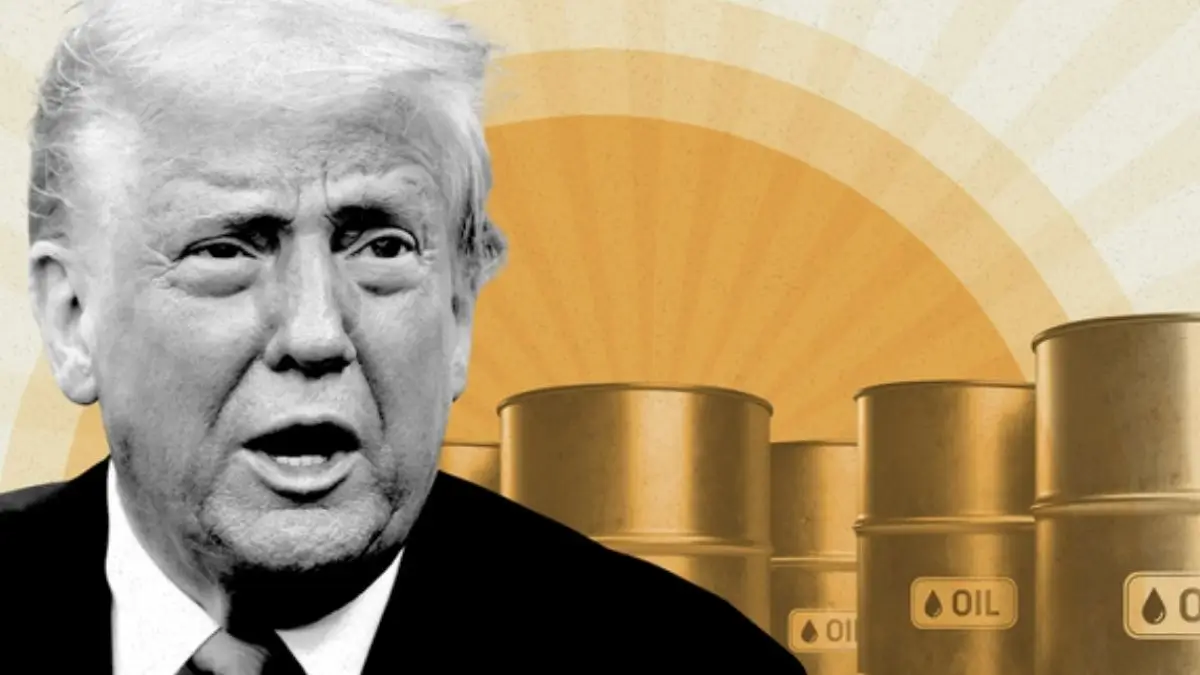
Trump Venezuela oil deal gives the US majority control of more than 65 billion barrels of Venezuelan oil reserves, with over $100 billion investment planned.
For competitive examinations, the development is important from the perspective of global energy security. Venezuela possesses the world’s largest proven oil reserves, making any major change in its production or international oil partnerships relevant to global crude supply, energy prices and strategic petroleum policies.
Importance for the US Economy
The United States is seeking to strengthen energy supplies and reduce pressure from high fuel prices. Greater access to Venezuelan crude could potentially support US refineries and increase the availability of petroleum over the longer term. Trump has argued that the agreement could help lower gasoline prices for Americans.
Importance for Venezuela’s Economic Recovery
Venezuela’s economy has been deeply affected by years of economic instability and declining oil production. Nearly $100 billion in potential private investment could provide capital for rebuilding oil infrastructure and expanding production. The agreement therefore has significance not only for energy markets but also for Venezuela’s economic recovery.
Importance for Government Exams
For government-exam aspirants, the news connects several important subjects: international relations, geopolitics, crude oil reserves, energy security, foreign investment, Venezuela, the United States and global oil markets. Questions can be framed around Venezuela’s position as the country with the world’s largest proven oil reserves and the strategic importance of its petroleum resources.
Major US-Venezuela Oil Agreement Announced
US President Donald Trump has announced a major oil agreement involving Venezuela that could bring nearly $100 billion in private investment into the South American country’s petroleum sector. The agreement is being described by the Trump administration as one of the most significant energy deals in history.
United States to Gain Majority Control Over 65 Billion Barrels
Under the announced arrangement, the United States would obtain majority control over more than 65 billion barrels of Venezuela’s proven oil reserves. Trump stated that the arrangement could more than double US oil reserves and contribute to lower fuel prices for American consumers.
Nearly $100 Billion Investment Expected in Venezuela
The agreement is expected to attract nearly $100 billion in private investment into Venezuela’s oil industry. Venezuelan officials have said that the investment could help rebuild damaged petroleum infrastructure, create employment and revive an economy heavily dependent on oil revenues. Venezuelan interim President Delcy Rodríguez has also projected substantial tax revenues for the Venezuelan state.
Venezuela Holds the World’s Largest Proven Oil Reserves
Venezuela is particularly important in global energy politics because it possesses the world’s largest proven crude oil reserves. Its reserves are estimated at more than 300 billion barrels. However, years of economic difficulties, sanctions, underinvestment and deteriorating infrastructure have prevented the country from producing oil at levels comparable with its enormous reserves.
Focus on Reviving Venezuela’s Oil Industry
The agreement is intended to increase production from important Venezuelan oil-producing areas, including the Orinoco Belt and Lake Maracaibo regions. The proposed investment would be directed towards upgrading oil fields, improving infrastructure and increasing production capacity. However, analysts have cautioned that Venezuela’s heavy crude resources and ageing infrastructure mean that significant increases in production could take several years.
Strategic Importance for US Energy Security
The agreement has major implications for US energy security. Venezuela’s heavy crude can be particularly relevant to refineries designed to process heavier grades of petroleum. The United States also wants to strengthen its oil supplies and replenish its strategic reserves. The deal therefore combines economic, energy-security and geopolitical objectives.
Role of Private Companies in the Agreement
The arrangement is linked to partnerships with private businesses rather than being presented as a direct expenditure by US taxpayers. Reports indicate that a proposed new business structure could involve US interests and private operators in developing Venezuelan oil fields. The exact legal and commercial structure of the agreement, however, has not yet been fully disclosed.
Economic Benefits Expected for Venezuela
For Venezuela, the agreement could provide much-needed foreign investment and support the reconstruction of its oil sector. Venezuelan officials have indicated that the investment could generate thousands of jobs and contribute to economic recovery. The country could also receive significant tax revenues if oil production and exports expand substantially.
Challenges and Questions Surrounding the Deal
Despite its scale, the agreement faces several challenges. Venezuela’s oil infrastructure requires extensive modernization, while its legal and investment environment has historically created uncertainty for foreign companies. Questions have also been raised about how the agreement will operate legally and how quickly additional oil production can actually reach international markets.
Global Energy and Geopolitical Significance
The development could reshape the relationship between the United States and Venezuela and influence global energy markets. Greater Venezuelan production could eventually increase global crude supplies, although the immediate impact on oil prices is expected to be limited because rebuilding production capacity requires substantial time and investment. The agreement also demonstrates how energy resources can become an important instrument of international diplomacy and strategic policy.

Why This News Is Important
Importance for International Relations
The Venezuela oil agreement is important because it represents a major development in US-Venezuela relations. Venezuela has traditionally maintained a highly state-controlled petroleum sector, while the new arrangement could open greater opportunities for US and other foreign private investment. This makes the agreement significant for understanding changing geopolitical and economic relations in the Americas.
Importance for Global Energy Security
For competitive examinations, the development is important from the perspective of global energy security. Venezuela possesses the world’s largest proven oil reserves, making any major change in its production or international oil partnerships relevant to global crude supply, energy prices and strategic petroleum policies.
Importance for the US Economy
The United States is seeking to strengthen energy supplies and reduce pressure from high fuel prices. Greater access to Venezuelan crude could potentially support US refineries and increase the availability of petroleum over the longer term. Trump has argued that the agreement could help lower gasoline prices for Americans.
Importance for Venezuela’s Economic Recovery
Venezuela’s economy has been deeply affected by years of economic instability and declining oil production. Nearly $100 billion in potential private investment could provide capital for rebuilding oil infrastructure and expanding production. The agreement therefore has significance not only for energy markets but also for Venezuela’s economic recovery.
Importance for Government Exams
For government-exam aspirants, the news connects several important subjects: international relations, geopolitics, crude oil reserves, energy security, foreign investment, Venezuela, the United States and global oil markets. Questions can be framed around Venezuela’s position as the country with the world’s largest proven oil reserves and the strategic importance of its petroleum resources.
Historical Context: US-Venezuela Relations and Oil
Venezuela’s Longstanding Dependence on Oil
Oil has historically been the backbone of Venezuela’s economy. The country possesses enormous petroleum reserves, particularly heavy crude resources concentrated in the Orinoco Belt. Its economy consequently became highly dependent on oil exports and petroleum revenues.
Nationalisation of the Oil Industry
During the 20th century, Venezuela progressively increased state control over its petroleum resources. The creation and expansion of Petróleos de Venezuela, S.A. (PDVSA) made the state-owned company central to the country’s oil industry. Under Hugo Chávez, state control over petroleum resources became an important part of Venezuela’s economic policy.
US-Venezuela Tensions
Relations between Washington and Caracas deteriorated substantially during the Chávez and Nicolás Maduro governments. The United States imposed various sanctions on Venezuela, including measures affecting its oil sector. These restrictions contributed to difficulties for international companies seeking to operate in the Venezuelan petroleum industry.
Opening the Oil Sector to Foreign Investment
The political and economic situation changed significantly in 2026, with Venezuela’s interim government pursuing reforms intended to attract greater foreign participation in the petroleum sector. Earlier reforms allowed increased involvement of private and foreign companies in oil and gas projects, creating the foundation for the latest US-backed investment initiative.
The New Oil Partnership
The latest agreement represents a major shift from Venezuela’s traditionally state-dominated oil model toward greater foreign and private-sector participation. Its implementation could influence Venezuela’s oil production, US energy policy and the wider geopolitics of the Western Hemisphere.
Key Takeaways from Trump-Venezuela Oil Deal
| S. No. | Key Takeaway |
|---|---|
| 1 | Deal Value: The agreement is expected to attract nearly $100 billion in private investment into Venezuela’s oil sector. |
| 2 | Oil Reserves: The United States is expected to gain majority control over more than 65 billion barrels of proven Venezuelan oil reserves. |
| 3 | Venezuela: Venezuela possesses the world’s largest proven oil reserves, exceeding 300 billion barrels. |
| 4 | Main Objective: The agreement aims to revive Venezuela’s petroleum industry, increase production and strengthen energy supplies. |
| 5 | Exam Relevance: The development is important for topics including international relations, energy security, foreign investment, geopolitics and global crude oil markets. |
Frequently Asked Questions (FAQs)
1. What major oil deal did Donald Trump announce in August 2026?
US President Donald Trump announced an agreement with Venezuela under which the United States would obtain majority control of more than 65 billion barrels of Venezuela’s proven oil reserves through a partnership involving private business.
2. What is the estimated investment associated with the Venezuela oil deal?
The Venezuelan government said the agreement could attract more than US$100 billion in investment into the country’s oil industry.
3. How much tax revenue could Venezuela receive?
Venezuelan authorities projected that the agreement could generate more than US$209 billion in tax revenue for the Venezuelan state.
4. How many oil fields are included in the proposed development?
The agreement reportedly covers the development of 17 strategic oil fields with a proven potential of about 65 billion barrels.
5. Which Venezuelan regions are particularly important for oil production?
The Orinoco Belt and Lake Maracaibo are among the key areas associated with Venezuela’s petroleum resources and the proposed revival of its oil industry.
6. Why is Venezuela important in the global oil market?
Venezuela has enormous proven crude oil reserves, estimated at around 303 billion barrels, representing roughly 17% of the world’s supply according to figures cited from the US Energy Information Administration.
7. Who negotiated the agreement on the US side?
The agreement was announced as having been negotiated with the involvement of US Secretary of State Marco Rubio and Defense Secretary Pete Hegseth, together with Venezuelan interim President Delcy Rodríguez.
8. What is the expected benefit for the United States?
The Trump administration says the arrangement could increase US access to crude oil, strengthen energy supplies and contribute to lower gasoline prices. The administration has also stated that the arrangement would not directly burden American taxpayers.
9. What is the expected benefit for Venezuela?
The agreement is expected to bring foreign investment, rebuild oil infrastructure, increase production, create employment and generate additional government revenue, potentially supporting Venezuela’s economic recovery.
10. What is the major challenge to increasing Venezuelan oil production?
Venezuela’s petroleum industry has suffered from ageing infrastructure, underinvestment and production difficulties. Consequently, significant increases in oil output may require considerable time and capital.
11. What is the exam significance of this news?
This development is relevant to international relations, geopolitics, energy security, crude oil, foreign investment, OPEC and global economic affairs. It can be particularly useful for UPSC, PCS, banking, defence and other government examinations.
Some Important Current Affairs Links




