





Kumbhalgarh Fort UNESCO recognition news highlights the world’s second-longest continuous wall in Rajasthan. Learn important current affairs, history, MCQs, and key facts for UPSC, SSC, Banking, Railway, Defence, and State PCS exams.
Kumbhalgarh Fort Recognized as the World’s Second-Longest Continuous Wall
Introduction to the Historic Recognition
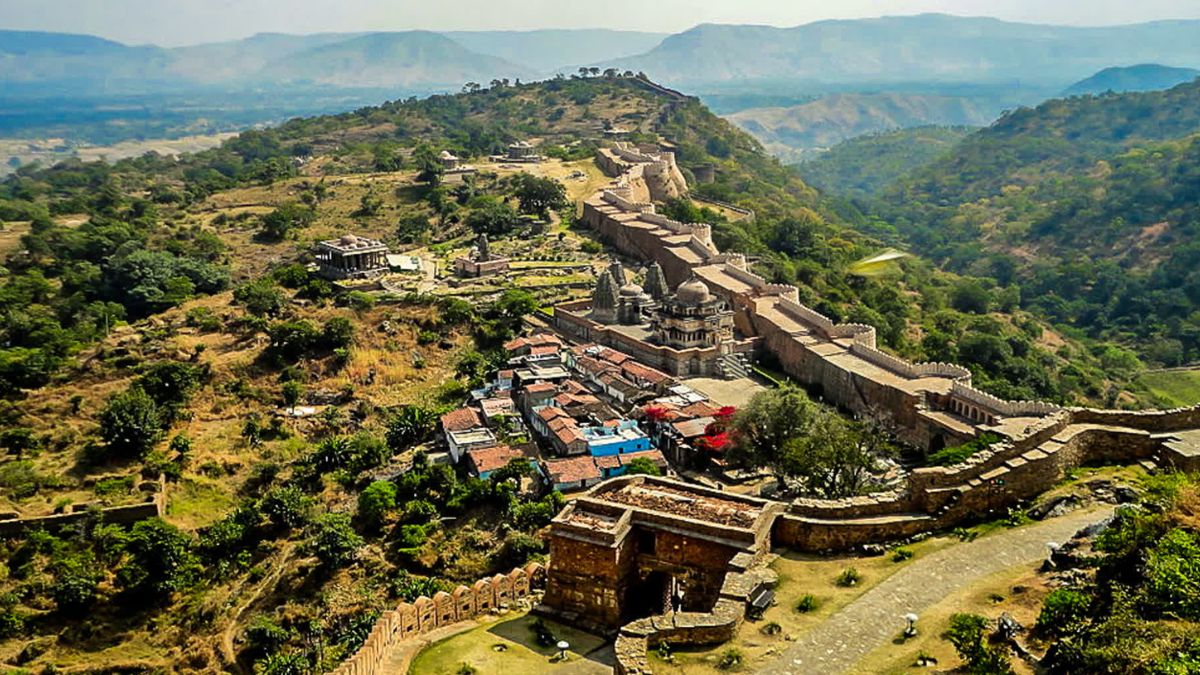
Kumbhalgarh Fort, one of Rajasthan’s most iconic heritage structures, has recently gained international recognition after its massive fort wall was acknowledged as the world’s second-longest continuous wall after the Great Wall of China. The recognition has drawn global attention toward India’s architectural brilliance and medieval military engineering traditions.
The fort is situated in the Aravalli Hills in Rajasthan’s Rajsamand district and is popularly known as the “Great Wall of India.” The wall stretches approximately 36 kilometers around the fort complex, showcasing exceptional defensive architecture built during medieval India.
Construction and Architectural Excellence
The fort was constructed during the 15th century by the Rajput ruler Rana Kumbha, who ruled the Mewar kingdom between 1433 and 1468 AD. The construction of the fort took place between 1443 and 1458 AD under the guidance of the famous architect Mandan.
The fortification walls are exceptionally thick, and historical accounts suggest that eight horses could ride side-by-side on certain sections of the wall. The strategic hilltop location, combined with strong defensive structures, made the fort almost impossible to conquer.
The fort contains seven fortified gateways, hidden pathways, temples, reservoirs, and palaces that reflect the military intelligence and architectural sophistication of medieval Rajput rulers. The fort’s design demonstrates how geography and military engineering were combined to create a powerful defense system.
UNESCO Recognition and Heritage Importance
UNESCO recognized Kumbhalgarh Fort as part of the “Hill Forts of Rajasthan” World Heritage Site group in 2013. The recent international attention regarding its wall has further highlighted India’s cultural and historical heritage on the global stage.
The recognition strengthens India’s tourism potential and promotes awareness regarding the conservation of ancient monuments. It also highlights the contribution of Rajput kingdoms to Indian history, architecture, and military strategy.
Strategic and Historical Significance
Kumbhalgarh Fort served as a major defensive stronghold of the Mewar kingdom. It also acted as a refuge for Rajput rulers during invasions and conflicts. Importantly, the fort is known as the birthplace of Maharana Pratap, one of the most celebrated warrior kings in Indian history.
Due to its difficult terrain and powerful fortifications, the fort remained unconquered for a long period. Historical records suggest that it was breached only once, mainly because of scarcity of drinking water rather than military weakness.
Tourism and Cultural Importance
The recognition has significantly increased interest among tourists, historians, and archaeology enthusiasts. The fort’s massive walls, scenic views of the Aravalli ranges, and rich Rajput history make it one of India’s most admired heritage destinations.
The fort also contains nearly 360 temples, including both Hindu and Jain temples, reflecting the religious diversity and cultural richness of medieval Rajasthan.

Why This News is Important
Importance for Competitive Examinations
The recognition of Kumbhalgarh Fort is highly relevant for students preparing for UPSC, State PCS, SSC, Railway, Banking, Defence, and teaching examinations because questions related to UNESCO World Heritage Sites, Indian architecture, medieval history, and cultural heritage are frequently asked in competitive exams.
Students should remember that Kumbhalgarh Fort is located in Rajasthan’s Rajsamand district and forms part of the UNESCO-listed “Hill Forts of Rajasthan.” The fort is also associated with the Mewar kingdom and Rajput resistance history.
Importance for Indian Heritage Awareness
The news highlights India’s rich architectural and engineering capabilities during the medieval period. The massive continuous wall demonstrates the advanced military planning and engineering knowledge possessed by Indian rulers centuries ago.
Such recognitions improve India’s international cultural image and encourage heritage conservation. The recognition also helps boost tourism in Rajasthan, generating employment opportunities and strengthening the local economy.
Relevance in Art and Culture Section
Questions related to forts, UNESCO sites, Rajput rulers, and architectural achievements are commonly asked in General Studies papers. Kumbhalgarh Fort can also be connected with topics such as Rajput architecture, medieval Indian kingdoms, and cultural preservation policies.
Historical Context
Rise of the Mewar Kingdom
The Mewar kingdom was one of the most powerful Rajput states in medieval India. It played a major role in resisting invasions and protecting regional independence. Under the leadership of Rana Kumbha, Mewar witnessed major military expansion and architectural development.
Construction of Kumbhalgarh Fort
Rana Kumbha constructed the fort in the 15th century to strengthen the defensive network of Mewar. The location in the Aravalli Hills provided natural protection, while the massive walls enhanced military security. The fort became one of the strongest defensive structures in India.
The famous architect Mandan supervised the construction process and incorporated advanced engineering techniques suitable for mountainous terrain.
UNESCO World Heritage Status
In 2013, UNESCO included Kumbhalgarh Fort under the collective category “Hill Forts of Rajasthan.” This recognition acknowledged the outstanding military architecture and cultural importance of Rajput hill forts.
The recent recognition of its wall as the world’s second-longest continuous wall has once again brought the fort into international discussions about historical engineering marvels.
Key Takeaways from This News
| S.No. | Key Takeaway |
|---|---|
| 1 | Kumbhalgarh Fort has been recognized as having the world’s second-longest continuous wall after the Great Wall of China. |
| 2 | The fort is located in Rajasthan’s Rajsamand district in the Aravalli Hills. |
| 3 | The fort was built in the 15th century by Rana Kumbha. |
| 4 | UNESCO declared Kumbhalgarh Fort a World Heritage Site in 2013 under the “Hill Forts of Rajasthan” category. |
| 5 | The fort is the birthplace of Maharana Pratap and represents Rajput military architecture and cultural heritage. |
FAQs Related to Kumbhalgarh Fort Recognition
1. Where is Kumbhalgarh Fort located?
Kumbhalgarh Fort is located in the Rajsamand district of Rajasthan in the Aravalli Hills.
2. Why is Kumbhalgarh Fort famous?
Kumbhalgarh Fort is famous for its massive 36-kilometer-long wall, which is considered the world’s second-longest continuous wall after the Great Wall of China.
3. Who built Kumbhalgarh Fort?
The fort was built by Rana Kumbha, the ruler of the Mewar kingdom, during the 15th century.
4. Which famous Rajput king was born at Kumbhalgarh Fort?
Maharana Pratap, the legendary Rajput warrior king, was born at Kumbhalgarh Fort.
5. When did UNESCO recognize Kumbhalgarh Fort?
UNESCO recognized Kumbhalgarh Fort in 2013 as part of the “Hill Forts of Rajasthan” World Heritage Site group.
6. What is the approximate length of the wall of Kumbhalgarh Fort?
The wall of Kumbhalgarh Fort stretches approximately 36 kilometers.
7. Why is Kumbhalgarh Fort called the “Great Wall of India”?
The fort is called the “Great Wall of India” because of its extremely long and massive defensive wall.
8. In which mountain range is Kumbhalgarh Fort situated?
The fort is situated in the Aravalli mountain range.
9. Which architect designed Kumbhalgarh Fort?
The famous architect Mandan designed the fort.
10. Why is Kumbhalgarh Fort important for competitive exams?
The fort is important because questions related to UNESCO World Heritage Sites, medieval Indian history, Rajput architecture, and Rajasthan’s cultural heritage are frequently asked in government exams.
Some Important Current Affairs Links