








SCBA women vice president post proposal: Supreme Court proposes permanent women-only Vice-President post in SCBA to enhance gender representation and judicial reforms in India, important for current affairs exams.
Introduction to the Supreme Court’s Proposal
The Supreme Court of India has proposed a major reform in the structure of the Supreme Court Bar Association (SCBA) by suggesting the creation of a permanent women-only Vice-President post from the 2027-28 election cycle onward. The proposal aims to improve women’s participation and leadership in the legal profession, particularly in influential bar associations.
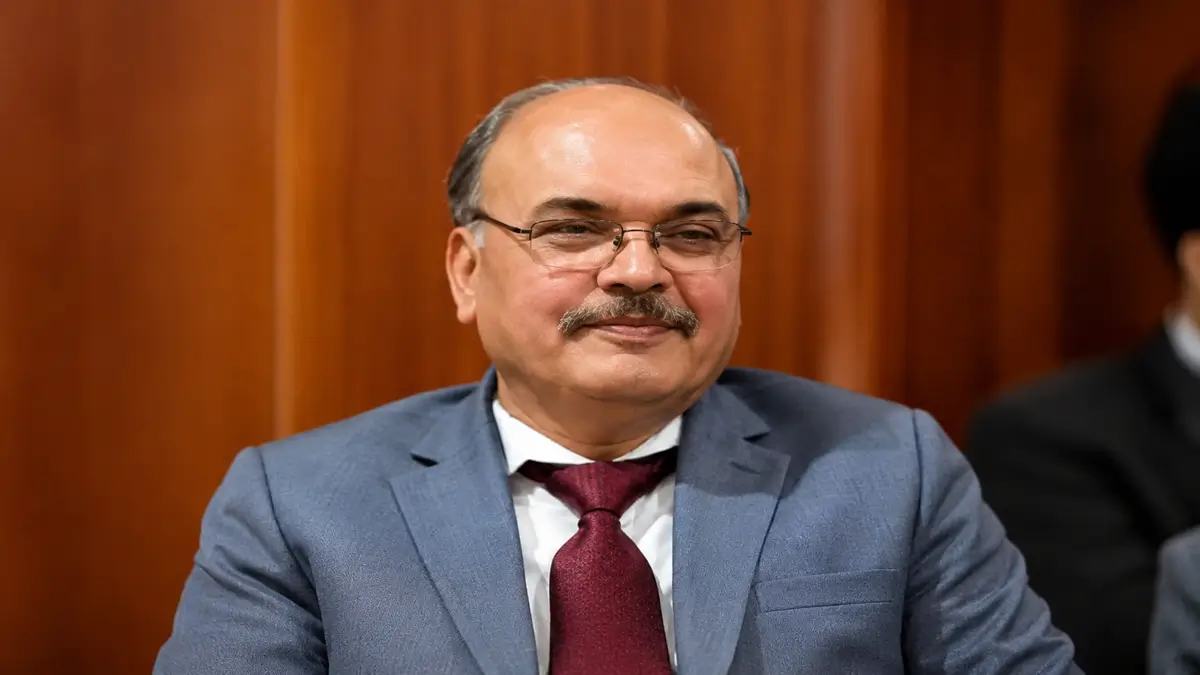
The proposal was discussed during hearings related to reforms in bar association elections. A Bench led by Chief Justice of India Surya Kant and Justice K. V. Viswanathan emphasized the need for greater representation of women advocates in the SCBA’s governing structure.
What is the Supreme Court Bar Association?
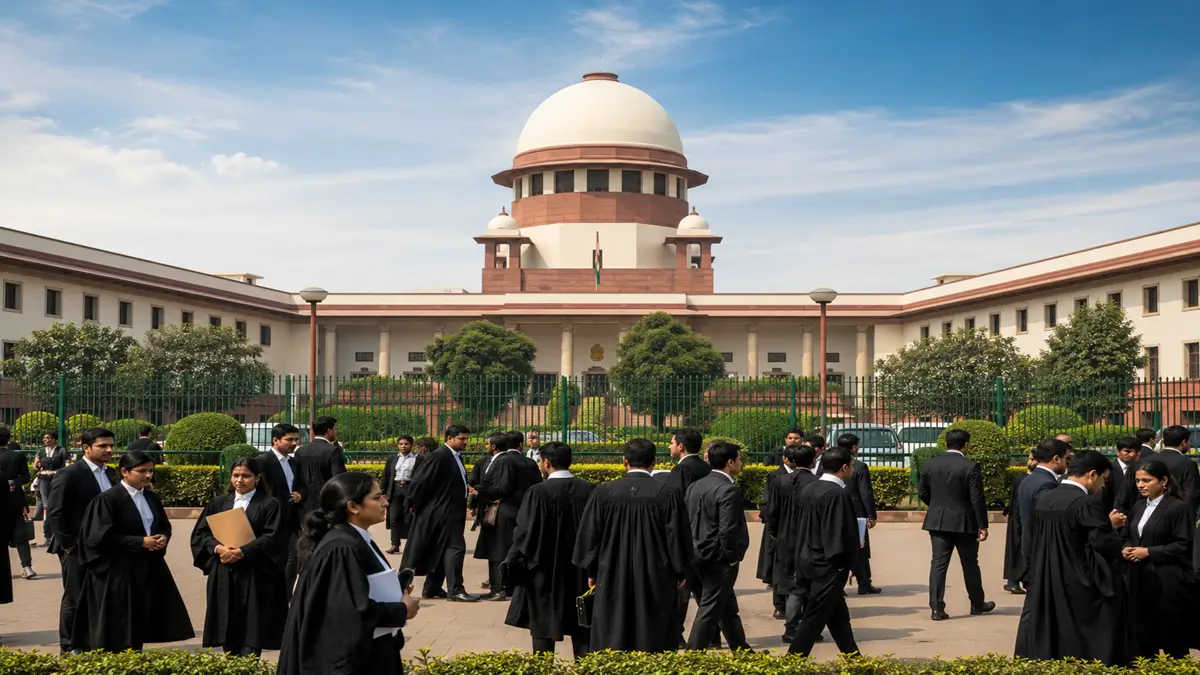
The Supreme Court Bar Association is the apex body representing advocates practicing before the Supreme Court of India. It plays a significant role in legal administration, lawyer welfare, and institutional reforms connected with the judiciary. The association conducts annual elections to choose office bearers such as President, Vice-President, Secretary, Treasurer, and Executive Committee members.
The SCBA has historically been dominated by male leadership. Despite increasing participation of women in the legal profession, senior leadership positions in bar bodies have often remained inaccessible to women advocates.
Details of the Proposed Reform
The Supreme Court proposed that the SCBA should consider creating an additional Vice-President post exclusively reserved for women advocates from 2027 onwards. The court directed that a General Body Meeting of the SCBA be convened to discuss the desirability and implementation of this reform.
The Bench observed that such reforms could eventually pave the way for the SCBA to elect its first woman President in the future. The court also stressed that reforms should emerge through discussion and consensus within the legal fraternity rather than judicial imposition.
Reservation of Secretary Post Continues
Earlier, the Supreme Court had temporarily reserved the Vice-President post for women in the 2026-27 SCBA elections. However, several women lawyers objected to this arrangement and requested continuation of reservation in the Secretary post instead, arguing that the Secretary’s role carries greater administrative and operational importance.
Accepting these concerns, the court restored the previous arrangement under which:
- The Secretary post remains reserved for women.
- Two posts in the Senior Executive Committee are reserved for women.
- Three Executive Committee posts are reserved for women advocates.
This decision reflected the court’s willingness to accommodate the views of women members within the legal community.
Women Representation in Bar Associations
The latest proposal is part of a broader movement toward gender inclusivity in Indian legal institutions. Recently, the Supreme Court directed that at least 30% representation be ensured for women in bar associations across India. The court even warned that bar associations failing to comply with these directions could face suspension and fresh elections.
The judiciary has repeatedly highlighted that women lawyers remain underrepresented in leadership roles despite growing numbers in legal education and litigation practice.
Importance of Gender Inclusion in Judiciary
The legal profession plays a central role in protecting constitutional values and ensuring justice delivery. Greater participation of women in leadership positions strengthens democratic functioning and improves representation in decision-making bodies.
Experts believe that institutional reforms such as reserved leadership positions can encourage more women lawyers to actively participate in bar politics, legal administration, and judicial reforms. Such initiatives may also inspire younger women law graduates to pursue litigation as a long-term career option.
Impact on Future Legal Reforms
The proposal may influence other High Court Bar Associations and state-level bar bodies to introduce similar reservation policies. Over the years, the Supreme Court has actively promoted diversity and inclusion within legal institutions through judicial interventions and reform-oriented directions.
The reform also reflects changing attitudes toward gender equality within traditionally male-dominated professional organizations.

Why This News is Important
Important for Judiciary and Governance Exams
This development is highly relevant for aspirants preparing for UPSC, State PCS, Judiciary, SSC, Banking, Railways, Defence, and Law entrance examinations because it concerns constitutional values, gender justice, women empowerment, and judicial reforms.
Questions related to women reservation, judicial reforms, bar associations, and Supreme Court judgments are frequently asked in current affairs and polity sections of competitive examinations.
Strengthening Women Empowerment
The proposal highlights India’s broader efforts toward women empowerment and inclusive governance. Increasing women’s participation in leadership roles within legal institutions aligns with constitutional principles of equality under Articles 14, 15, and 16 of the Indian Constitution.
The move also demonstrates how institutional reforms can promote gender diversity in professional organizations.
Reflection of Judicial Activism
The Supreme Court’s intervention in bar association reforms showcases judicial activism aimed at correcting structural inequalities. It reflects the judiciary’s proactive role in ensuring representation for marginalized or underrepresented groups within democratic institutions.
This issue may also become important in essay writing, interview discussions, and ethics papers in civil services examinations.
Relevance for Legal Awareness
For students preparing for government exams, understanding the role of the SCBA, bar associations, and judicial reforms is important for legal awareness and governance-related topics. The issue also provides insight into contemporary debates surrounding women’s representation in leadership positions.
Historical Context
Evolution of Women Representation in Indian Judiciary
Historically, women have faced challenges in entering and advancing within the Indian legal profession. Although women began practicing law in India during the colonial era, leadership positions in bar associations and higher judiciary remained male-dominated for decades.
Over time, constitutional guarantees of equality and judicial reforms encouraged greater participation of women advocates.
Previous Reservation Measures in SCBA
In 2024, the Supreme Court directed reservation of the Treasurer post for women in SCBA elections. Later in 2025, the Secretary post was reserved for women candidates. In 2026, the Vice-President post was temporarily earmarked for women advocates.
The latest proposal seeks to institutionalize women’s representation permanently through a dedicated Vice-President position.
National Push for Women Reservation
The move is also linked to broader national discussions on women reservation in politics, governance, and institutions. India has recently witnessed growing support for increasing women’s participation in Parliament, local bodies, judiciary, and professional organizations.
The judiciary’s emphasis on 30% women representation in bar associations across the country represents an important step toward inclusive legal governance.
Key Takeaways from This News
| S.No. | Key Takeaway |
|---|---|
| 1 | The Supreme Court proposed a permanent women-only Vice-President post in the SCBA from 2027-28 onward. |
| 2 | The Secretary post in SCBA elections for 2026-27 will continue to remain reserved for women advocates. |
| 3 | The reform aims to improve women’s leadership and participation in legal institutions. |
| 4 | The proposal is part of broader judicial efforts to ensure 30% women representation in bar associations across India. |
| 5 | The development is important for exams related to polity, judiciary, governance, and women empowerment. |
FAQs (Frequently Asked Questions)
1. What is the Supreme Court Bar Association (SCBA)?
The SCBA is the apex representative body of lawyers practicing in the Supreme Court of India. It manages elections, advocates’ welfare, and participates in institutional reforms related to the judiciary.
2. What is the latest proposal made by the Supreme Court regarding SCBA?
The Supreme Court has proposed creating a permanent women-only Vice-President post in the SCBA from the 2027–28 election cycle to improve women’s representation in legal leadership.
3. Why is the Supreme Court focusing on women’s representation in SCBA?
The Court aims to address historical underrepresentation of women in bar association leadership and promote gender equality in the legal profession.
4. Which SCBA posts are already reserved for women?
Currently, the Secretary post is reserved for women, along with certain positions in the Executive Committee, as part of gender inclusion measures.
5. How is this decision important for government exam preparation?
It is important for Polity, Judiciary, and Current Affairs sections as it relates to women empowerment, judicial reforms, constitutional equality, and institutional governance.
6. Has the Supreme Court given any broader direction on women representation?
Yes, the Supreme Court has emphasized ensuring at least 30% women representation in bar associations across India.
7. Can this reform impact other bar associations in India?
Yes, it may set a precedent for High Court and State Bar Associations to adopt similar gender-inclusive leadership structures.
Some Important Current Affairs Links