





Maharashtra CBG Policy 2026 aims to boost renewable energy by converting organic waste into compressed biogas with ₹500 crore investment, promoting sustainable development and clean energy in India.
Maharashtra Cabinet Launches Major Renewable Energy Initiative
The Government of Maharashtra has approved the Maharashtra State Compressed Biogas (CBG) Policy 2026 to strengthen renewable energy production and improve scientific waste management across the state. The decision was taken under the leadership of Devendra Fadnavis. The policy is expected to transform urban and agricultural waste into clean fuel, thereby supporting India’s broader environmental and energy goals.
₹500 Crore Allocation for Clean Energy Projects
Under the new policy, the Maharashtra government has earmarked ₹500 crore for the financial year 2026–27. This allocation will support the establishment of compressed biogas plants and related infrastructure across the state. The initiative seeks to encourage investment in renewable energy and reduce dependence on conventional fossil fuels.
The policy promotes the use of Public-Private Partnership (PPP) and Hybrid Annuity Model (HAM) mechanisms to attract private sector participation. These models are expected to reduce financial risks and accelerate project implementation in urban and rural areas.
Focus on Waste-to-Energy Conversion
One of the primary objectives of the policy is scientific disposal of municipal solid waste and agricultural residue. Maharashtra generates nearly 24,500 metric tonnes of municipal waste every day along with millions of tonnes of agricultural residue annually. Instead of dumping this waste into landfills, the state aims to convert it into compressed biogas and organic fertilisers.
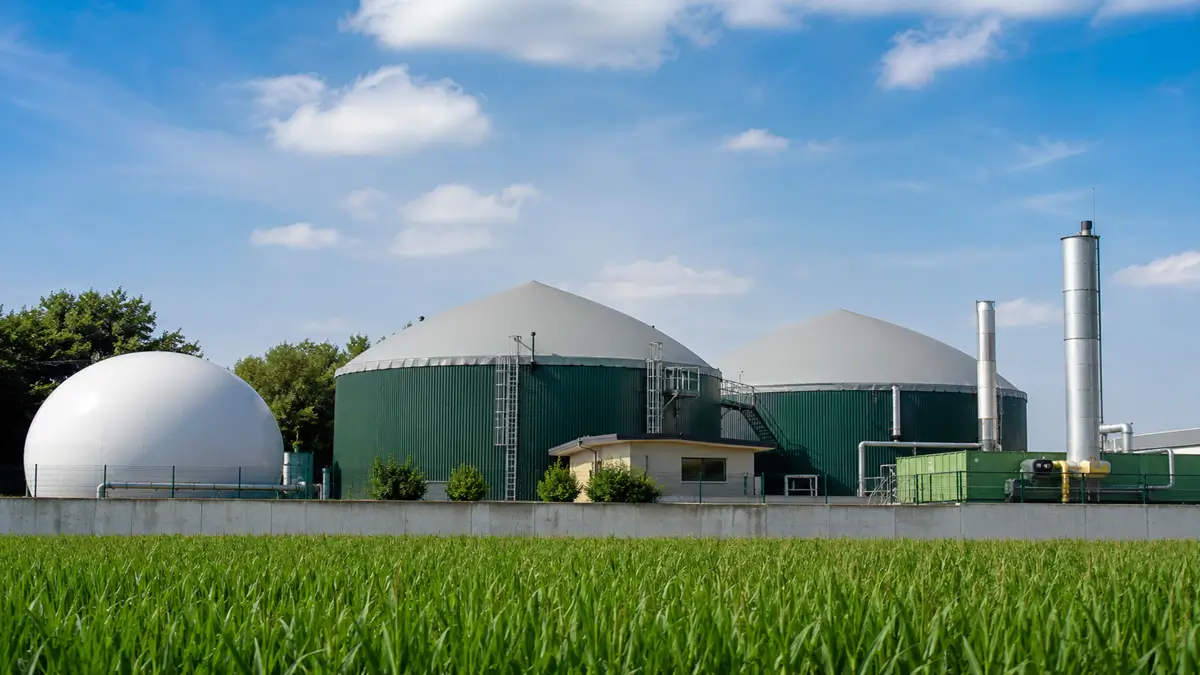
Compressed biogas is produced through anaerobic digestion, where organic waste materials decompose in the absence of oxygen. The resulting gas is purified and compressed for use as a cleaner alternative to compressed natural gas (CNG). This renewable fuel can be used in transportation, industries, and domestic applications.
Environmental Benefits of the Policy
The Maharashtra State Compressed Biogas Policy 2026 is expected to significantly reduce greenhouse gas emissions and landfill pollution. Organic waste dumped in landfills releases methane, a highly harmful greenhouse gas. Converting such waste into biogas can help reduce methane emissions while simultaneously generating useful energy.
The policy also aligns with India’s climate commitments and supports the country’s transition toward a circular economy. By reusing waste materials to create fuel and fertiliser, the initiative promotes sustainable development and resource efficiency.
District-Level Implementation Mechanism
The Maharashtra government plans to establish compressed biogas projects in every district. A steering committee under the Chief Secretary will monitor implementation, while district-level coordination committees will supervise local operations.
Each project must process at least 200 tonnes of segregated organic waste daily. The policy also mandates waste segregation at the source into biodegradable and non-biodegradable categories. This step is essential for efficient biogas production and effective waste management.
Incentives and Financial Support for Developers
To encourage private investment, the Maharashtra government has introduced several incentives under the policy. Developers may receive Viability Gap Funding (VGF) up to ₹75 lakh per tonne of capacity, subject to a maximum limit of ₹15 crore per project.
The policy also offers priority electricity and water supply to CBG plants and provides a refund of 2.5% on State GST after production begins. Such measures are expected to improve project viability and encourage rapid expansion of the biogas sector.
Alignment with National Renewable Energy Programmes
The Maharashtra policy is linked with several national initiatives such as Swachh Bharat Mission, SATAT (Sustainable Alternative Towards Affordable Transportation), and GOBARdhan schemes. These programmes aim to promote waste-to-energy projects, clean fuel generation, and improved sanitation across India.
The policy is also expected to create employment opportunities in waste management, renewable energy, transportation, and rural development sectors. Farmers may benefit through additional income generated from agricultural residue collection and organic fertiliser production.

Why This News is Important
Important for Environment and Climate Change Preparation
The Maharashtra State Compressed Biogas Policy 2026 is highly relevant for competitive examinations because it combines topics related to renewable energy, climate change, waste management, and sustainable development. Questions related to environmental governance and green energy policies are frequently asked in UPSC, State PSCs, SSC, Banking, Railways, and Defence examinations.
The policy demonstrates how Indian states are adopting innovative measures to reduce carbon emissions and improve waste management systems. It highlights India’s commitment toward achieving climate goals under international agreements like the Paris Climate Accord.
Important for Economy and Governance Sections
This development is also important from the perspective of governance and economic development. The use of PPP and Hybrid Annuity Models shows how governments collaborate with the private sector for infrastructure and energy projects. Such governance models are often discussed in public administration and economic policy sections of competitive exams.
The policy further reflects the growing importance of circular economy practices, where waste is converted into valuable resources. Students preparing for exams should understand how renewable energy policies contribute to employment generation, rural income growth, and energy security.
Historical Context
Growth of Renewable Energy Policies in India
India has been steadily promoting renewable energy over the last two decades to reduce dependence on fossil fuels and improve environmental sustainability. Programmes related to solar energy, wind power, biofuels, and waste-to-energy projects have expanded significantly under the Ministry of New and Renewable Energy.
The SATAT initiative launched by the Government of India encouraged the establishment of compressed biogas plants across the country. Similarly, the GOBARdhan scheme focused on converting cattle dung and organic waste into useful energy resources. Maharashtra’s new policy builds upon these national efforts and provides a state-level framework for large-scale implementation.
Maharashtra’s Expanding Green Energy Vision
Maharashtra has been actively investing in renewable energy and green infrastructure projects. The state recently approved the MAGESTIC scheme to improve renewable energy integration and energy storage systems by 2030.
The Compressed Biogas Policy 2026 represents another major step in Maharashtra’s strategy to achieve sustainable urban development, reduce pollution, and strengthen clean energy generation.
Key Takeaways from This News
| S.No. | Key Takeaway |
|---|---|
| 1 | Maharashtra approved the State Compressed Biogas (CBG) Policy 2026 to promote renewable energy and scientific waste management. |
| 2 | The state government allocated ₹500 crore for implementation during FY 2026–27. |
| 3 | The policy promotes conversion of municipal and agricultural waste into compressed biogas and organic fertilisers. |
| 4 | Projects will be implemented through PPP and Hybrid Annuity Models with district-level monitoring committees. |
| 5 | The initiative aligns with national schemes like SATAT, GOBARdhan, and Swachh Bharat Mission while supporting India’s climate goals. |
FAQs (Frequently Asked Questions)
1. What is the Maharashtra State Compressed Biogas (CBG) Policy 2026?
The Maharashtra State CBG Policy 2026 is a government initiative aimed at promoting the production of compressed biogas from organic waste such as municipal solid waste and agricultural residue.
2. What is the main objective of the CBG Policy 2026?
The main objective is to convert waste into renewable energy, reduce environmental pollution, and promote sustainable energy alternatives like biogas in Maharashtra.
3. How much financial allocation has been made under this policy?
The Maharashtra government has allocated ₹500 crore for the financial year 2026–27 to support CBG projects and infrastructure development.
4. Which models are used for implementing the biogas projects?
The policy promotes Public-Private Partnership (PPP) and Hybrid Annuity Model (HAM) for faster and more efficient implementation of projects.
5. How does compressed biogas benefit the environment?
Compressed biogas reduces greenhouse gas emissions, decreases landfill waste, and provides a clean alternative to fossil fuels like CNG.
6. Which national schemes are linked with this policy?
It is aligned with national initiatives such as SATAT, GOBARdhan, and Swachh Bharat Mission.
7. What type of waste is used for biogas production?
Organic waste such as municipal solid waste, agricultural residue, and cattle dung is used for producing compressed biogas.
8. What is the minimum processing capacity for CBG plants under this policy?
Each project must process at least 200 tonnes of segregated organic waste daily.
Some Important Current Affairs Links