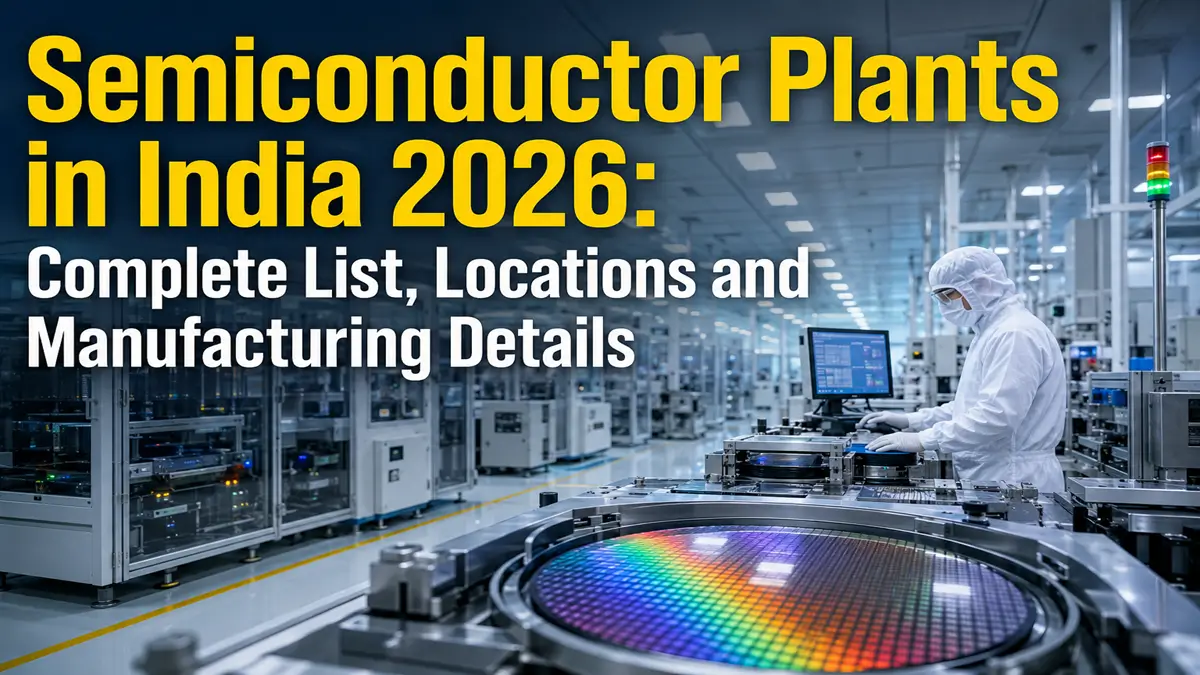

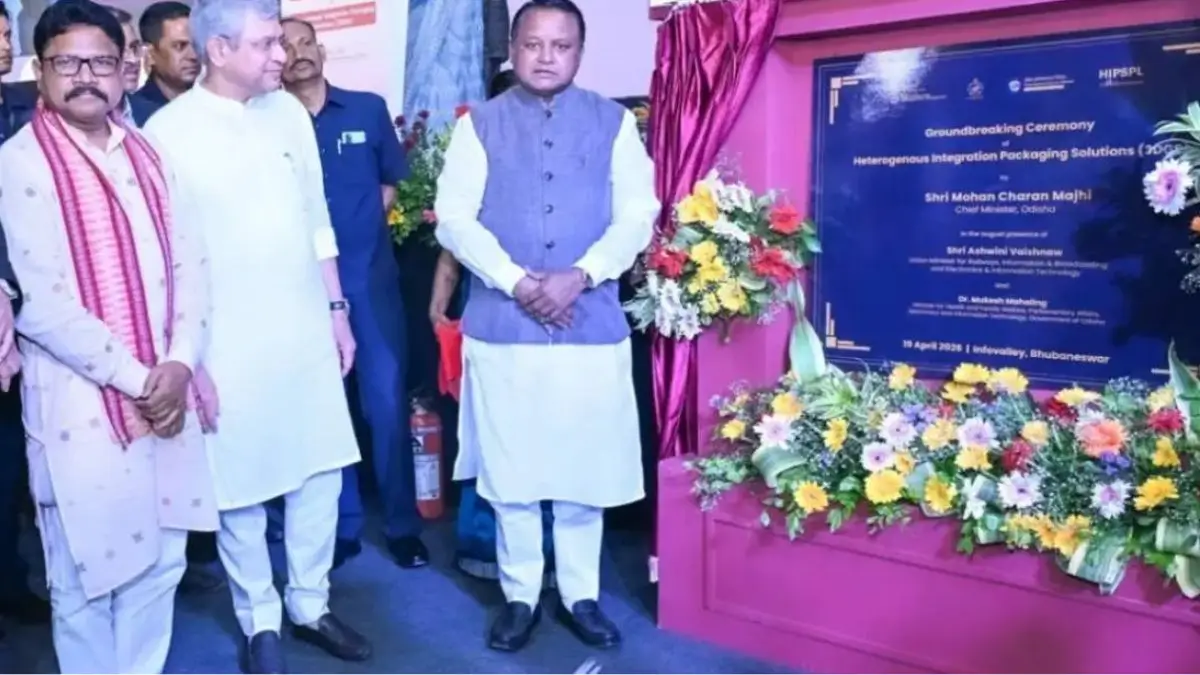
Odisha 3D semiconductor unit project 2026 brings India’s first advanced chip packaging facility at Info Valley with ₹2000 crore investment, boosting jobs, AI, defence and electronics sector growth.
Odisha to Host India’s First 3D Semiconductor Unit at Info Valley: ₹2000 Crore Project Launched
Introduction: A Landmark Step in India’s Semiconductor Journey
India has taken a significant leap toward becoming a global semiconductor hub with the launch of its first advanced 3D semiconductor packaging unit in Odisha. The project, valued at around ₹2,000 crore, is being set up at Info Valley in Bhubaneswar and marks a major milestone in strengthening the country’s electronics manufacturing ecosystem.
Project Details and Investment
The facility is being developed by US-based 3D Glass Solutions through its Indian subsidiary. With an investment close to ₹2,000 crore, the unit will introduce cutting-edge 3D glass substrate technology in India. This technology allows for better chip performance, reduced power consumption, and enhanced efficiency compared to traditional semiconductor packaging methods.
The plant is expected to produce around 70,000 glass panels annually, along with millions of semiconductor units, catering to high-end industries.
Production Capacity and Timeline
The semiconductor unit is expected to begin commercial production by 2028 and reach full-scale operations by 2030. It will manufacture advanced 3D heterogeneous integration (3DHI) modules, which are crucial for modern computing technologies.
Employment Generation and Economic Impact
The project is projected to generate around 2,500 direct and indirect jobs, benefiting engineers, diploma holders, and ITI graduates. It will also boost local industries and attract further investments into the region, transforming Odisha into a technology-driven economy.
Strategic Importance for India
This initiative is part of India’s broader push under the Atmanirbhar Bharat mission to build a robust semiconductor ecosystem. The facility will support critical sectors such as artificial intelligence (AI), telecommunications, defence electronics, and high-performance computing.
Global Collaboration and Technological Advancement
Global technology companies like Intel and Lockheed Martin are associated with the project, highlighting international confidence in India’s semiconductor ambitions. The project strengthens India’s position in global supply chains and promotes technological self-reliance.

Why This News is Important
Boost to India’s Semiconductor Ecosystem
The establishment of India’s first 3D semiconductor packaging unit is a crucial step in reducing dependence on imports. Semiconductors are essential components in almost all modern electronic devices, and strengthening domestic production ensures technological sovereignty.
Support for Emerging Technologies
The project will directly contribute to the growth of advanced sectors such as AI, 5G/6G, defence technology, and data centres. These sectors are critical for India’s future economic growth and national security.
Regional Development and Employment
Odisha’s transformation from a mineral-based economy to a technology hub highlights balanced regional development. The project will generate employment and improve skill development opportunities for youth.
Strengthening Global Position
By entering advanced semiconductor packaging, India can become an important player in global electronics supply chains. This move aligns with international trends of diversifying semiconductor production beyond traditional hubs.
Historical Context: India’s Semiconductor Mission
Early Dependence on Imports
India has historically relied heavily on semiconductor imports, mainly from countries like Taiwan, South Korea, and China. This dependency posed risks to national security and economic stability.
Launch of India Semiconductor Mission (ISM)
To address this gap, the Government of India launched the India Semiconductor Mission, aiming to build domestic manufacturing capabilities and attract global investments.
Recent Developments
In recent years, multiple semiconductor projects have been approved across states like Odisha, Assam, and Gujarat. Odisha has emerged as a key hub, hosting both a compound semiconductor fabrication unit and now a 3D packaging facility.
Shift Towards Advanced Packaging
Instead of focusing only on chip fabrication, India is also investing in advanced packaging technologies, which are equally important in determining chip performance. The Odisha project represents this strategic shift.
Key Takeaways from This News
| S.No. | Key Takeaway |
|---|---|
| 1 | Odisha will host India’s first advanced 3D semiconductor packaging unit at Info Valley, Bhubaneswar |
| 2 | The project involves an investment of approximately ₹2,000 crore |
| 3 | It will produce 70,000 glass panels and millions of semiconductor units annually |
| 4 | The unit is expected to generate around 2,500 jobs and boost regional economy |
| 5 | The project strengthens India’s semiconductor ecosystem and supports sectors like AI, 5G, and defence |
FAQs: Frequently Asked Questions for Exam Preparation
1. What is the Odisha 3D semiconductor project?
It is India’s first advanced 3D semiconductor packaging unit being established at Info Valley, Bhubaneswar with an investment of ₹2,000 crore.
2. Which company is setting up the semiconductor unit?
The project is being developed by 3D Glass Solutions through its Indian subsidiary.
3. What is 3D semiconductor packaging?
It is an advanced technology that stacks multiple semiconductor components vertically, improving performance, speed, and reducing power consumption compared to traditional 2D chips.
4. What is the expected production capacity of the unit?
The facility is expected to produce around 70,000 glass panels annually along with millions of semiconductor units.
5. By when will the plant become operational?
Commercial production is expected to begin by 2028 and reach full capacity by 2030.
6. How many jobs will this project generate?
The project is expected to create around 2,500 direct and indirect employment opportunities.
7. Which sectors will benefit from this project?
Key sectors include Artificial Intelligence (AI), telecommunications, defence electronics, and high-performance computing.
8. Under which national initiative does this project fall?
This project aligns with India’s semiconductor push under the Atmanirbhar Bharat initiative and the India Semiconductor Mission.
9. Why is Odisha chosen for this project?
Odisha offers strategic advantages like industrial infrastructure, government support, and emerging status as a semiconductor hub.
10. Why is semiconductor manufacturing important for India?
It reduces import dependence, strengthens national security, and boosts economic growth by supporting electronics and digital industries.
Some Important Current Affairs Links