



Vastra Utsav 2026 textile heritage celebration highlights India’s handlooms, handicrafts, sustainable fashion, artisan empowerment and the importance of the textile sector for competitive exams.
Vastra Utsav 2026: A Grand Celebration of India’s Textile Legacy
Vastra Utsav 2026 has emerged as one of India’s most significant cultural and textile exhibitions, celebrating the country’s centuries-old tradition of handlooms, handicrafts, and sustainable fashion. The event provides a national platform for artisans, weavers, designers, entrepreneurs, and consumers to appreciate India’s diverse textile heritage while promoting eco-friendly fashion practices. The festival reflects the Government of India’s continued emphasis on preserving traditional crafts and creating sustainable livelihood opportunities for artisans.
A Platform for India’s Skilled Artisans and Weavers
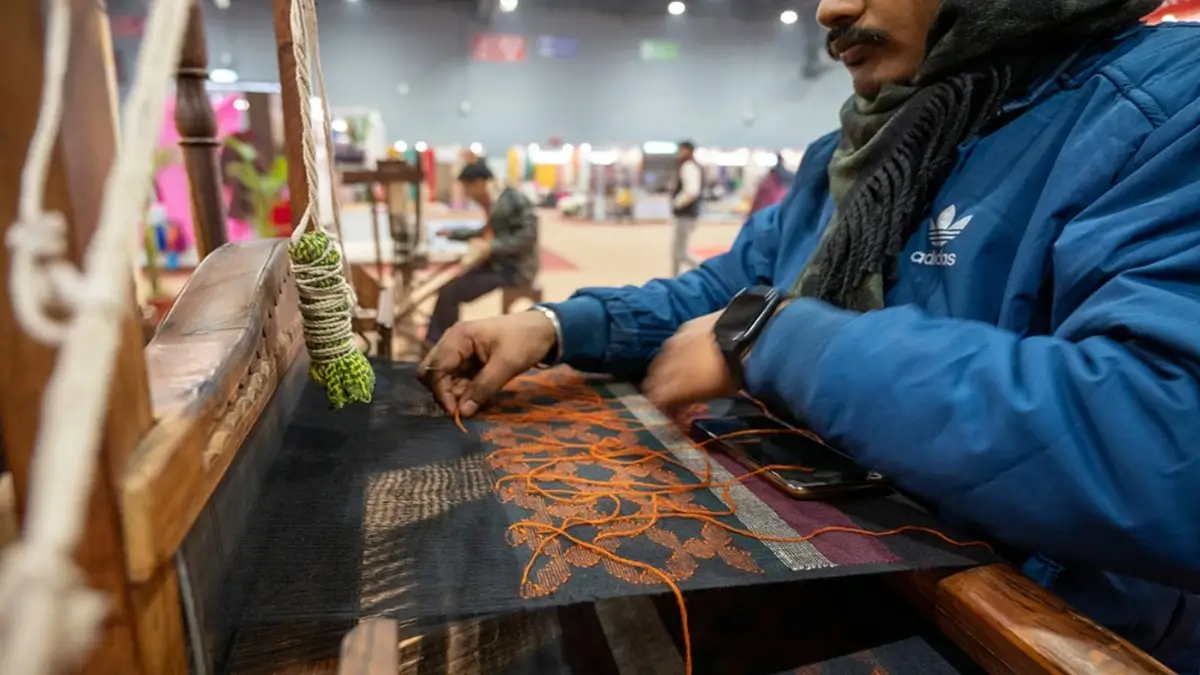
The festival brings together master artisans and handloom weavers from various states, enabling them to directly exhibit and market their products. Traditional textiles such as Banarasi silk, Kanchipuram silk, Chanderi, Ikat, Jamdani, Pashmina, Bandhani, Kalamkari and several regional handicrafts receive national visibility through the exhibition.
Such events help preserve India’s traditional weaving techniques while improving the income opportunities of rural artisans. Direct interaction between producers and consumers also reduces dependence on intermediaries, ensuring better financial returns for craftsmen.
Promoting Sustainable and Eco-Friendly Fashion
One of the major highlights of Vastra Utsav 2026 is its emphasis on sustainable fashion. The exhibition encourages the use of natural fibres, organic fabrics, eco-friendly dyes and environmentally responsible production methods. Sustainable fashion is increasingly becoming an important component of India’s textile industry as global consumers demand environmentally conscious products.
The promotion of handloom products also contributes towards reducing carbon emissions since handloom weaving consumes significantly less energy than mechanized textile production.
Supporting the ‘Vocal for Local’ and Atmanirbhar Bharat Vision
Vastra Utsav aligns with national initiatives such as Vocal for Local, Make in India, and Atmanirbhar Bharat. By encouraging citizens to purchase indigenous textile products, the festival strengthens domestic manufacturing, supports rural employment, and enhances India’s cultural identity.
The event also creates opportunities for micro, small and medium enterprises (MSMEs), women self-help groups, tribal artisans and cooperative societies engaged in textile production.
Boosting India’s Textile Economy
India possesses one of the world’s largest textile industries, contributing significantly to GDP, exports and employment. The textile sector employs millions of people, especially women in rural areas.
Events like Vastra Utsav help increase domestic demand for handcrafted products while also exposing international buyers to India’s traditional craftsmanship. Such exhibitions strengthen India’s global reputation as a leading producer of high-quality handloom and handicraft products.
Preserving Cultural Heritage
India’s textile traditions represent centuries of regional history, artistic expression and cultural diversity. Vastra Utsav provides younger generations with an opportunity to understand the importance of preserving indigenous weaving techniques and traditional craftsmanship.
The exhibition also features cultural performances, live demonstrations, fashion shows and interactive workshops that educate visitors about India’s rich textile traditions.
Government Support for the Textile Sector
The Government of India continues to promote the textile and handloom sectors through various schemes aimed at skill development, technology upgradation, market access and export promotion. National exhibitions like Vastra Utsav complement these efforts by providing artisans with wider market exposure and encouraging innovation without compromising traditional craftsmanship.

B) Why This News is Important
Important for Government Exam Preparation
Vastra Utsav 2026 is important because questions related to Indian culture, handicrafts, handloom industry, government initiatives, sustainable development and MSMEs frequently appear in UPSC, State PCS, SSC, Banking, Railways, Defence and Teaching examinations.
The event highlights India’s commitment to preserving its cultural heritage while promoting economic growth through traditional industries.
Relevance to Economy and Sustainable Development
The textile sector is among India’s largest employment generators after agriculture. The promotion of handloom and handicrafts contributes towards rural employment, women empowerment, export earnings and inclusive economic growth.
The focus on sustainable fashion also supports India’s climate goals by encouraging environmentally friendly production practices. Government initiatives such as Vocal for Local, Make in India and Atmanirbhar Bharat receive practical support through such exhibitions. Candidates preparing for competitive examinations should understand how cultural heritage, economic development and sustainability are interconnected in government policies.
C) Historical Context
India’s Ancient Textile Heritage
India has been renowned worldwide for its textile traditions since ancient times. Historical records show that Indian cotton, silk and muslin were exported to Europe, Central Asia and Southeast Asia through ancient trade routes.
Evolution of the Handloom Sector
The Swadeshi Movement during India’s freedom struggle encouraged the use of indigenous textiles and handwoven fabrics as symbols of self-reliance. After independence, the Government introduced several schemes to protect artisans, promote exports and preserve traditional weaving communities.
National initiatives such as National Handloom Day (observed every year on 7 August) further recognise the contribution of handloom weavers to India’s economy and cultural heritage. Recent exhibitions and trade events continue this effort by connecting artisans with national and international markets while promoting sustainable textile production.
Key Takeaways from This News
| S. No. | Key Takeaway |
|---|---|
| 1 | Vastra Utsav 2026 celebrates India’s handloom, handicraft and textile heritage. |
| 2 | The event promotes sustainable fashion through eco-friendly fabrics and traditional weaving techniques. |
| 3 | It supports initiatives such as Vocal for Local, Make in India and Atmanirbhar Bharat. |
| 4 | The exhibition provides market opportunities for artisans, weavers, MSMEs and self-help groups. |
| 5 | The event highlights the importance of preserving India’s cultural heritage while strengthening the textile economy. |
Frequently Asked Questions (FAQs) on Vastra Utsav 2026
1. What is Vastra Utsav 2026?
Vastra Utsav 2026 is a textile and cultural exhibition that celebrates India’s rich textile heritage, including handlooms, handicrafts, traditional weaving techniques and sustainable fashion practices. The event provides a platform for artisans, weavers and designers to showcase their products.
2. Why is Vastra Utsav 2026 important for government exam aspirants?
Vastra Utsav 2026 is important for exams like UPSC, State PCS, SSC, Banking, Railways and Defence because questions can be asked from topics related to Indian culture, textile industry, government schemes, handicrafts, MSMEs and sustainable development.
3. Which sector is promoted through Vastra Utsav 2026?
Vastra Utsav 2026 promotes India’s textile sector, particularly handloom, handicrafts, traditional textiles and sustainable fashion industries.
4. How does Vastra Utsav support Indian artisans?
The event provides artisans and weavers with opportunities to display their products, connect with customers, improve market access and increase income opportunities by reducing dependence on intermediaries.
5. What is sustainable fashion?
Sustainable fashion refers to environmentally responsible clothing production that focuses on reducing waste, using natural fibres, adopting eco-friendly dyes and minimizing environmental impact.
6. Which government initiatives are connected with the objectives of Vastra Utsav?
Vastra Utsav supports initiatives such as Vocal for Local, Make in India and Atmanirbhar Bharat by promoting indigenous products, local artisans and domestic manufacturing.
7. Why is India’s handloom sector significant?
India’s handloom sector represents the country’s cultural diversity and provides employment opportunities to millions of people, especially women and rural communities.
8. Which day is celebrated as National Handloom Day in India?
National Handloom Day is observed every year on 7 August to recognise the contribution of handloom weavers and commemorate the Swadeshi Movement.
9. What are some famous traditional Indian textiles?
Some famous Indian textiles include Banarasi silk, Kanchipuram silk, Chanderi, Ikat, Jamdani, Pashmina, Bandhani and Kalamkari.
10. How does the textile sector contribute to India’s economy?
The textile sector contributes significantly through employment generation, exports, rural development, women empowerment and promotion of traditional industries.
Some Important Current Affairs Links