


Uttarakhand CM Wellness Book on Student Mental Health promotes holistic education and life-skills under NEP 2020. A must-read for exam aspirants focusing on education reforms and youth wellness policies.
Uttarakhand CM Releases Student Wellness Book
Introduction
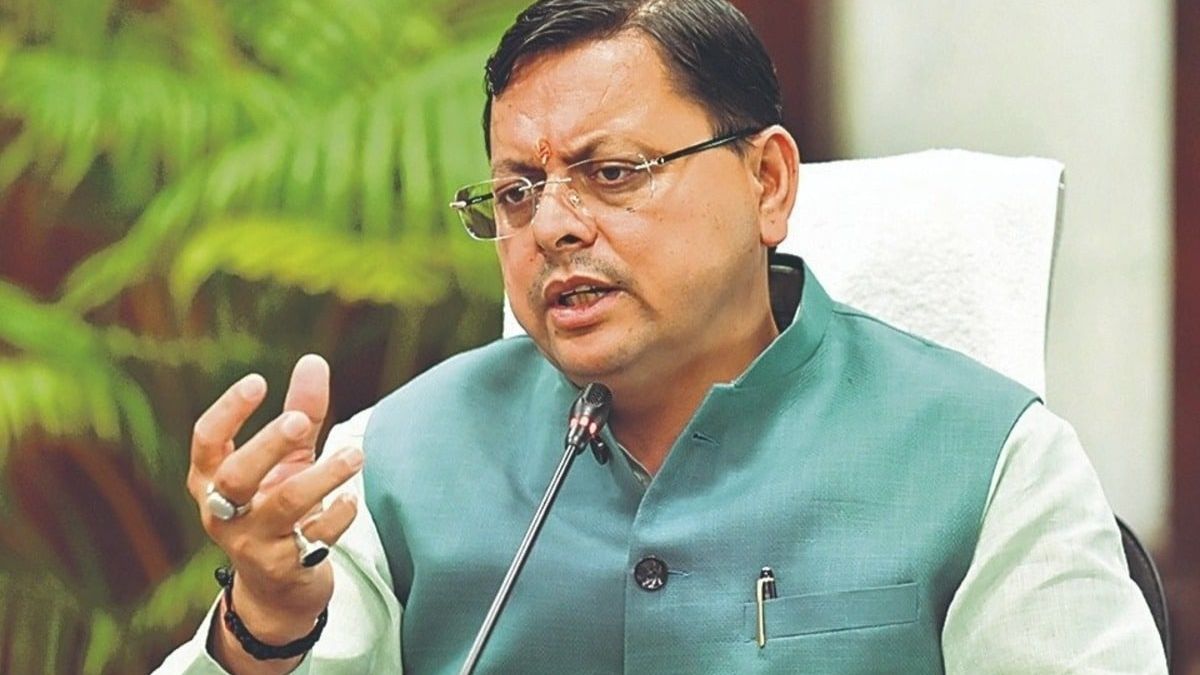
Uttarakhand Chief Minister Pushkar Singh Dhami recently launched a pivotal publication titled “Sustainable Wellness of Students: A Collective Responsibility in Higher Education”. The book emphasizes key dimensions of mental health support, life-skill development, career guidance, and holistic well-being among students
About the Book
The publication outlines a comprehensive roadmap for student wellness, covering mental health services, counseling, rehabilitation measures, life‑skills training, and career guidance. It encourages creating support systems within educational institutions and communities to enhance emotional resilience and adaptability.
Key Themes Highlighted by the CM
CM Dhami stressed mental health and life challenges for students, calling attention to the rising incidences of stress, anxiety, and other psychosocial issues in higher education. The initiative underscores that wellness is not an individual concern but a collective societal responsibility.
Implementation Strategy
The book recommends multi-stakeholder engagement: institutions, counselors, families, industries under CSR, and government bodies collaborating to build robust wellness frameworks. Skill development modules, career mentorship, and rehabilitation strategies form core intervention pillars.
Targeted Impact Areas
The publication is tailored for college and university students facing academic, emotional, and social challenges. It integrates life-skill education, career readiness tools, and psychological support systems relevant for exam aspirants and youth preparing for government service roles.
SEO-Friendly Focus and Exam Relevance
Key phrases like student wellness, mental health, life‑skills training, higher education, and collective responsibility make the article well-optimized. Students preparing for competitive government exams—such as teaching, banking, railways, civil services (PCS, IAS), police and defense roles—will find the mental wellness dimensions relevant to topics like education policy, youth programmes, and public health initiatives.
Why This News Is Important
Student Well‑Being in Education Policy
Mental health and holistic development are central to India’s education strategy under the National Education Policy (NEP) 2020, which highlights psychological well-being alongside academic excellence. This book launch signals Uttarakhand’s alignment with national education priorities.
Supporting Aspirants and Youth
Exam aspirants—especially those aiming for roles in government sectors like teaching, civil service, defense, banking, and railways—often face immense stress and performance anxiety. This initiative aims to provide structured support that can directly benefit their preparation journey.
Inclusive Educational Reform
By calling for collective action—from schools to CSR funds—this programme fosters an inclusive model to ensure widespread access to wellness services. It also sensitizes stakeholders to systemic factors affecting student mental health in higher education institutions.
Alignment with Government Schemes
The book’s focus dovetails with existing central government interventions such as Manodarpan (for psychological support) and other NEP‑aligned frameworks promoting life‑skills, career counseling, and mental health awareness. This underscores its significance at the state and national levels.
Historical Context: Mental Health and Education Initiatives in Uttarakhand & India
Education Policy and Mental Wellness
The NEP 2020 emphasizes comprehensive education including life-skill training, well-being, vocational education, and mental health awareness. Uttarakhand’s wellness book is a proactive extension of these goals.
Previous Interventions
During the COVID-19 pandemic, initiatives like Atmanirbhar Bharat’s Manodarpan were rolled out to provide psychological support to students and educators through helplines, webinars, and counseling networks.
Institutional Mandates
CBSE and the UGC now mandate counsellors in schools and higher education institutions. Universities and colleges have been encouraged to integrate well-being curricula and counseling services into their mainstream functioning.
Emergence of Emotional Intelligence Focus
Academic literature (especially studies linked to Uttarakhand) underscores the role of emotional intelligence in managing academic stress, mental health, and improving achievement motivation—foundational to the new book’s approach.
Key Takeaways from Uttarakhand Student Wellness Initiative
| Sr. No. | Key Takeaway |
|---|---|
| 1 | Uttarakhand CM launched “Sustainable Wellness of Students” to address mental health, life‑skills and career counseling in higher education. |
| 2 | The initiative emphasizes collective responsibility: students, institutions, families, and CSR bodies must collaborate. |
| 3 | The book aligns with NEP 2020’s focus on holistic education, including wellness, moral values and regional culture. |
| 4 | It supports examination aspirants by providing frameworks for psychological support, stress‑resilience and performance coping mechanisms. |
| 5 | Connects with national programmes like Manodarpan and CBSE/UGC mandates on counseling and mental health provisions. |
FAQs: Frequently Asked Questions
1. What is the title of the book launched by the Uttarakhand CM?
The book is titled “Sustainable Wellness of Students: A Collective Responsibility in Higher Education”.
2. Who launched the book on student wellness in Uttarakhand?
Pushkar Singh Dhami, the Chief Minister of Uttarakhand, launched the book.
3. What is the primary objective of the wellness book?
The book aims to promote mental health awareness, life-skills training, and career guidance among students in higher education.
4. How is the book aligned with the NEP 2020?
It supports the NEP’s focus on holistic development, emotional well-being, and life-skills as core elements of modern education.
5. Which national initiative is connected to the wellness framework discussed in the book?
The book’s themes are closely aligned with the Manodarpan initiative, a central government psychological support program for students.
6. Why is this news important for exam aspirants?
Because the initiative deals with student stress, coping mechanisms, and institutional responsibilities, all of which are part of general awareness, education reforms, and governance topics in many competitive exams.
7. Which stakeholders are expected to be involved in implementing the wellness strategy?
Educational institutions, government bodies, families, CSR partners, and mental health professionals.
8. How does this benefit students preparing for government jobs?
The book promotes emotional resilience and stress management—critical traits for handling the intense pressure of UPSC, SSC, banking, teaching, and defence exams.
Some Important Current Affairs Links