



Indramani Badoni: The Gandhi of Uttarakhand
Champion of Non-Violent Activism
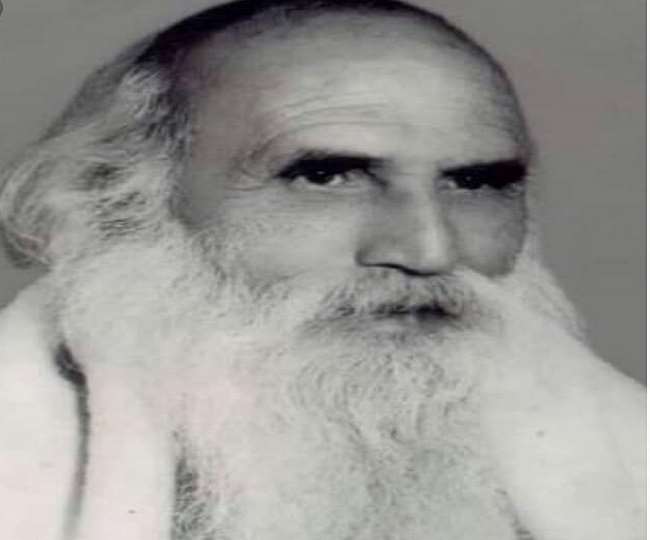
Indramani Badoni, fondly known as the “Gandhi of Uttarakhand,” was a prominent figure in Indian politics, education, and social activism. Born on December 24, 1925, in Akhodi village of Tehri Garhwal, Badoni’s life was characterized by his unwavering commitment to non-violence and satyagraha, principles he adopted from Mahatma Gandhi.
Early Life and Education
Growing up in a modest farming family, Badoni pursued his primary education in his native village before attending institutions in Nainital and Dehradun. He graduated from DAV PG College, Dehradun, in 1949. His early experiences in rural Uttarakhand deeply influenced his dedication to social causes and the upliftment of his community.
Political Career and Advocacy
Badoni’s political journey began in 1961 when he became the village head and later the head of the development block, Jakholi. He was elected as an independent candidate to the Uttar Pradesh Legislative Assembly from Devprayag in 1967. Throughout his political career, Badoni remained steadfast in his advocacy for the rights and development of the people of Uttarakhand.
Architect of the Uttarakhand Statehood Movement
Badoni is best known for his pivotal role in the Uttarakhand statehood movement. In 1988, he embarked on a 105-day foot march from Tawaghat in Pithoragarh to Dehradun, raising awareness about the need for a separate state. His dedication culminated in a fast-unto-death in 1994, demanding statehood for Uttarakhand. Although he passed away on August 18, 1999, his relentless efforts bore fruit when Uttarakhand was granted statehood on November 9, 2000.
Legacy and Recognition
Badoni’s legacy as the “Gandhi of Uttarakhand” is honored through various memorials, public institutions, and awards. His life and work continue to inspire future generations in Uttarakhand and beyond, symbolizing the power of peaceful protest and unwavering commitment to social justice.
Why This News is Important
Relevance to Competitive Exams
Understanding the contributions of regional leaders like Indramani Badoni is crucial for aspirants of government exams, especially those focusing on Uttarakhand’s history and the broader Indian independence movement. His life exemplifies the impact of grassroots activism and the significance of non-violent resistance, aligning with the values promoted in various civil services examinations.
Inspiration for Social Leadership
Badoni’s dedication to social causes serves as an inspiration for future leaders. His approach to addressing regional issues through peaceful means provides a valuable case study for those aiming to enter public service, emphasizing the importance of empathy, resilience, and community engagement.
Historical Context
The Uttarakhand Statehood Movement
The movement for a separate Uttarakhand state emerged from the unique cultural and geographical identity of the region. Leaders like Indramani Badoni played a pivotal role in advocating for statehood, highlighting issues such as administrative neglect and the need for localized governance. Their efforts were instrumental in the eventual formation of Uttarakhand as a separate state in 2000.
Key Takeaways from Indramani Badoni’s Legacy
| S.No. | Key Takeaway |
|---|---|
| 1 | Indramani Badoni was a prominent leader known as the “Gandhi of Uttarakhand” for his commitment to non-violence and satyagraha. |
| 2 | He played a crucial role in the Uttarakhand statehood movement, leading a 105-day foot march to raise awareness. |
| 3 | Badoni’s political career included serving as a village head and being elected to the Uttar Pradesh Legislative Assembly. |
| 4 | His relentless advocacy contributed to the formation of Uttarakhand as a separate state in 2000, a year after his demise. |
| 5 | Badoni’s legacy continues to inspire future generations, symbolizing the power of peaceful protest and dedication to social justice. |
Important FAQs for Students from this News
Who was Indramani Badoni?
Indramani Badoni was a political leader and social activist known as the “Gandhi of Uttarakhand” for his non-violent struggle for statehood.
Why is Indramani Badoni called the Gandhi of Uttarakhand?
He followed Mahatma Gandhi’s principles of non-violence and satyagraha in his fight for Uttarakhand’s statehood.
What role did Indramani Badoni play in the Uttarakhand statehood movement?
He led a 105-day foot march and a fast-unto-death in 1994 to demand separate statehood for Uttarakhand.
When was Uttarakhand formed as a separate state?
Uttarakhand became a separate state on November 9, 2000.
When and where was Indramani Badoni born?
He was born on December 24, 1925, in Akhodi village, Tehri Garhwal, Uttarakhand.
Some Important Current Affairs Links